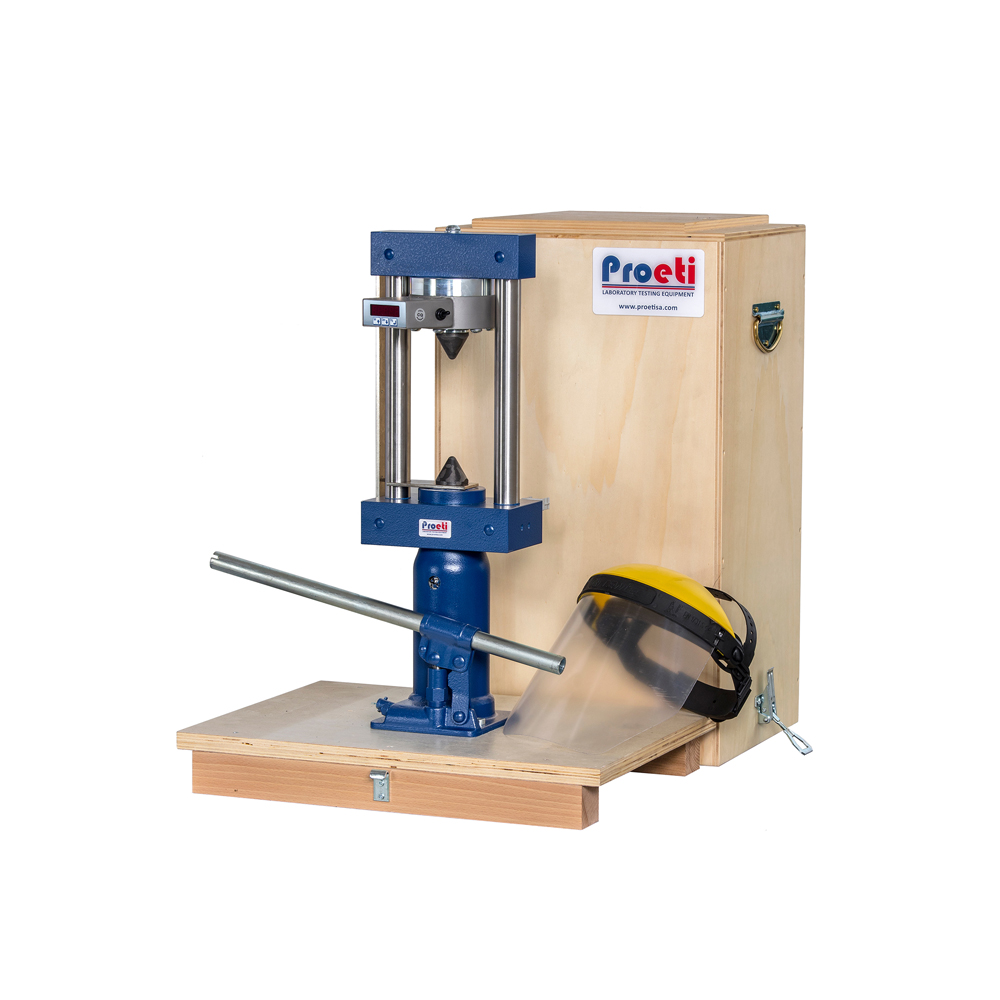
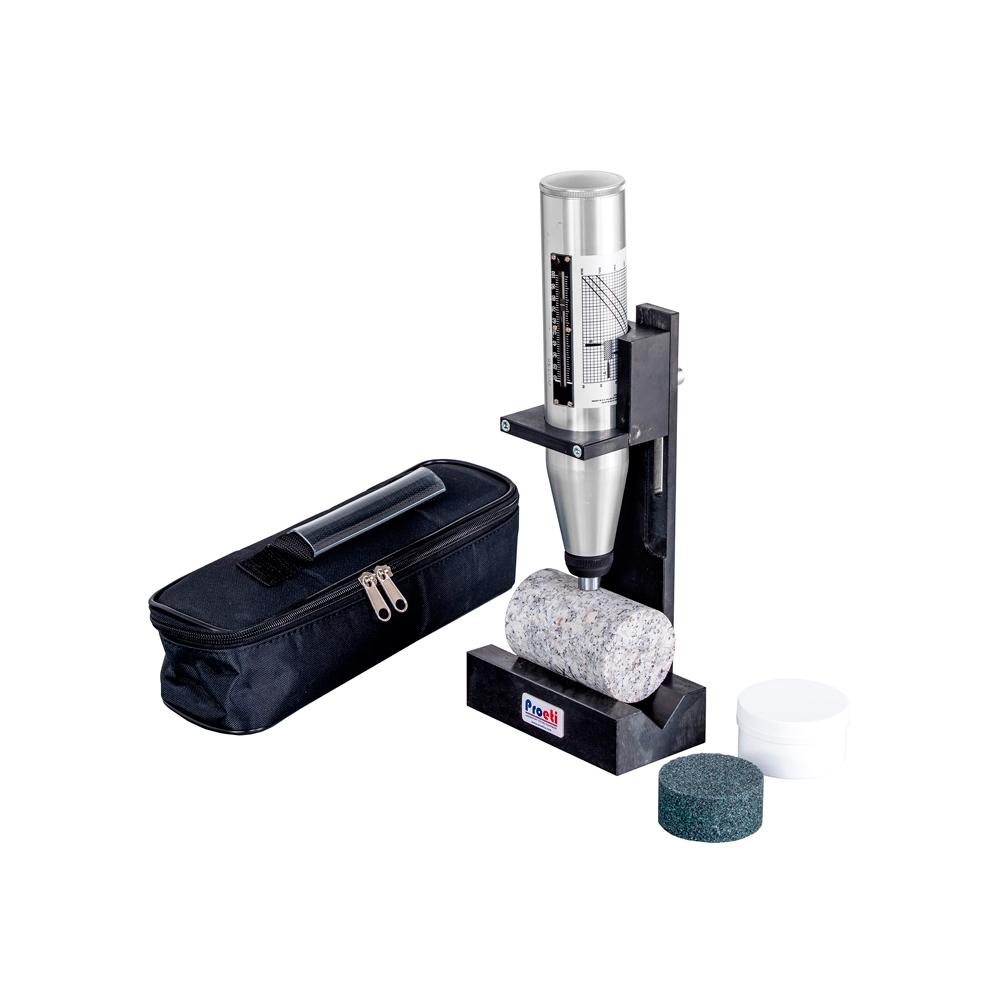
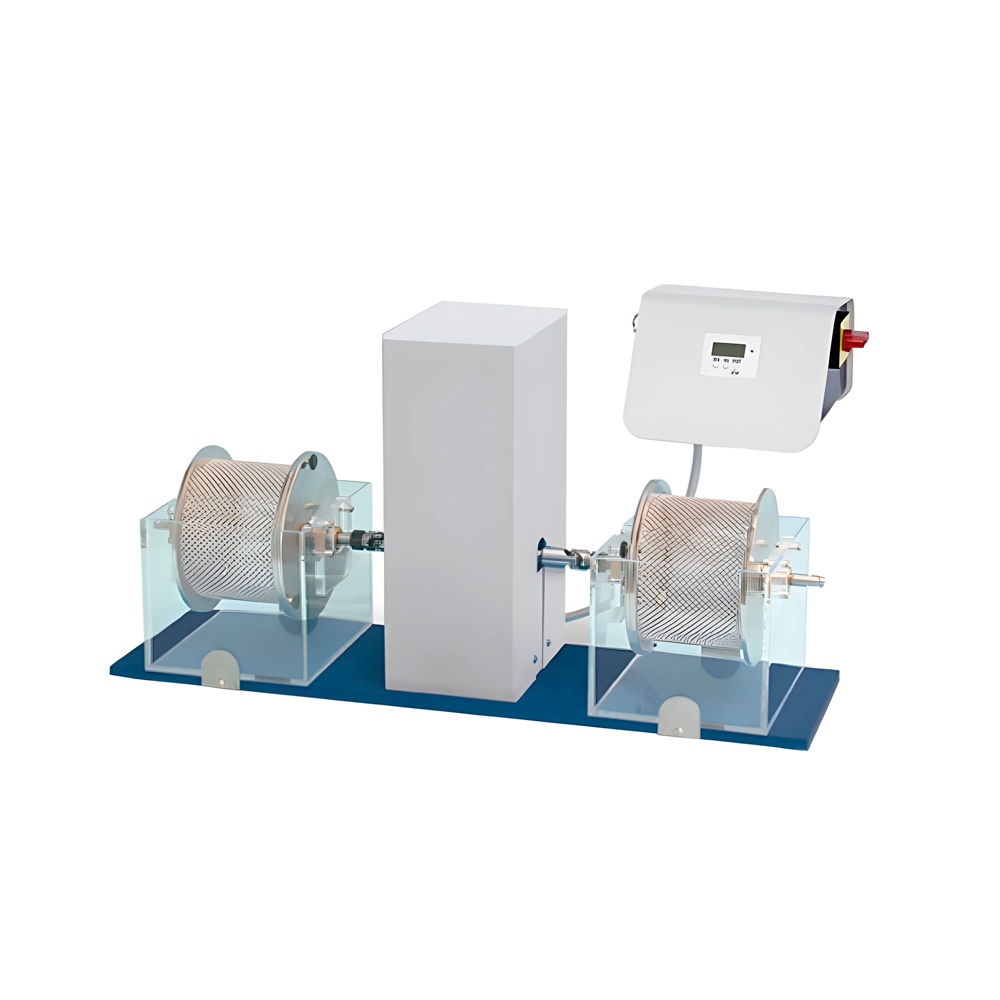
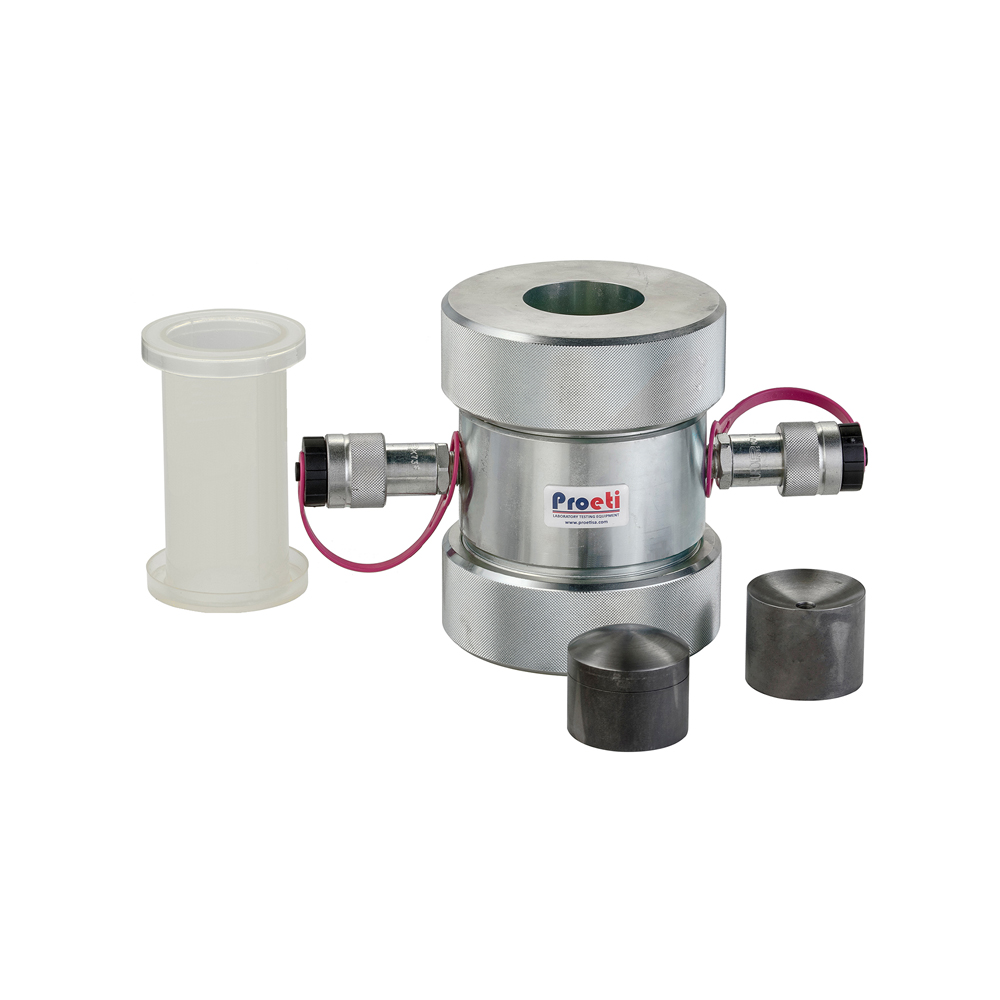
The point load tester and the rebound hammer fit in a carrying case and give the strength of the rock on site; the triaxial system with Hoek cells, the direct shear box and the slake durability apparatus complete the study in the laboratory. This is rock mechanics testing equipment built to ISRM, ASTM and EN. Tell us about your project and we will prepare a quote.
| Test | Equipment | Standard |
|---|---|---|
| Point load strength index, Is(50) | Point load tester | ASTM D5731, ISRM |
| Rebound hardness | Rock classification hammer | ASTM D5873, ISRM |
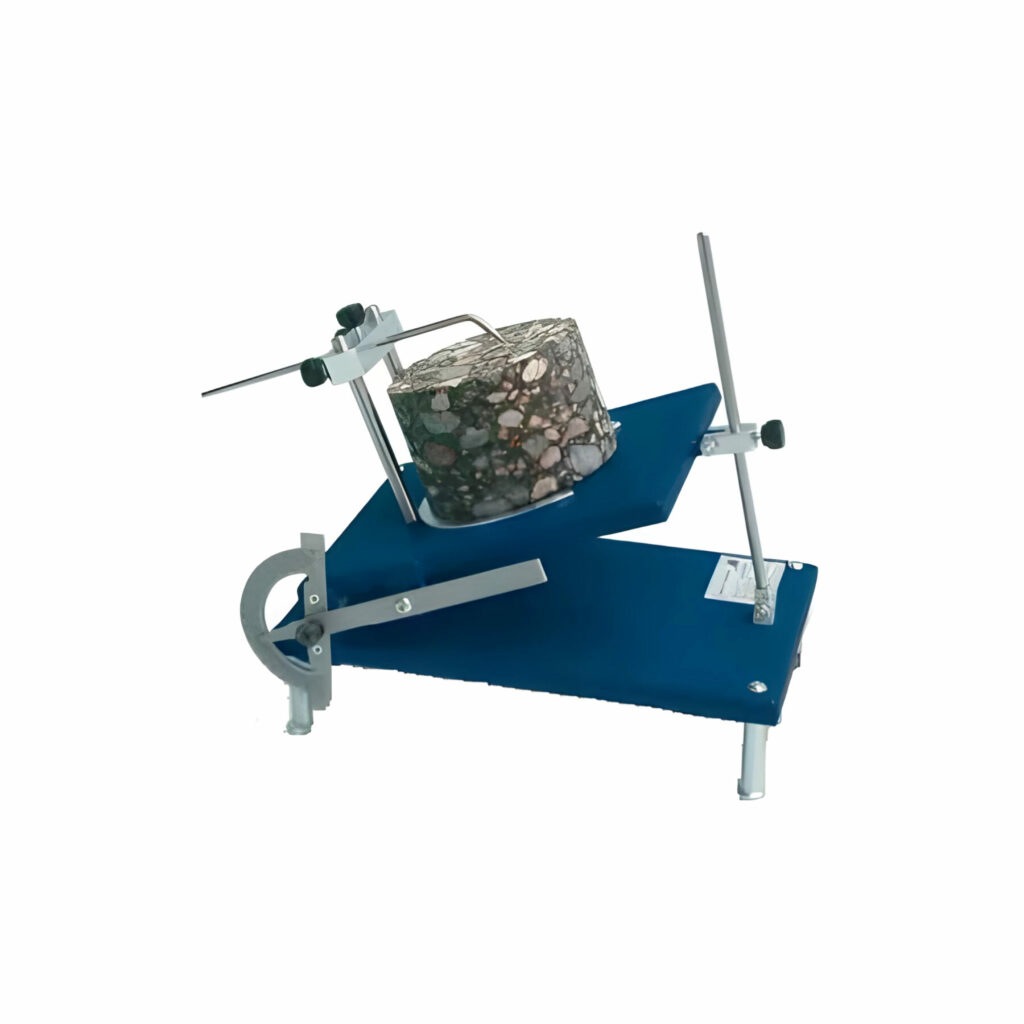
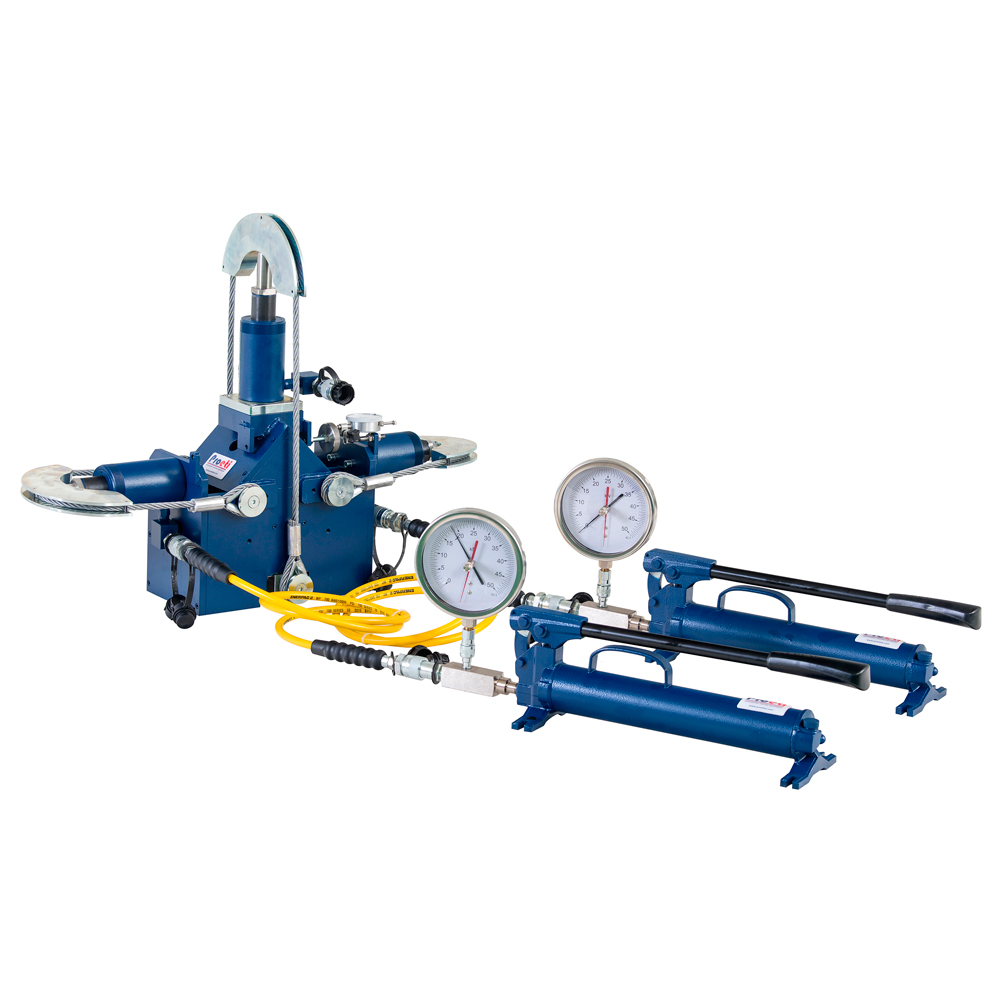
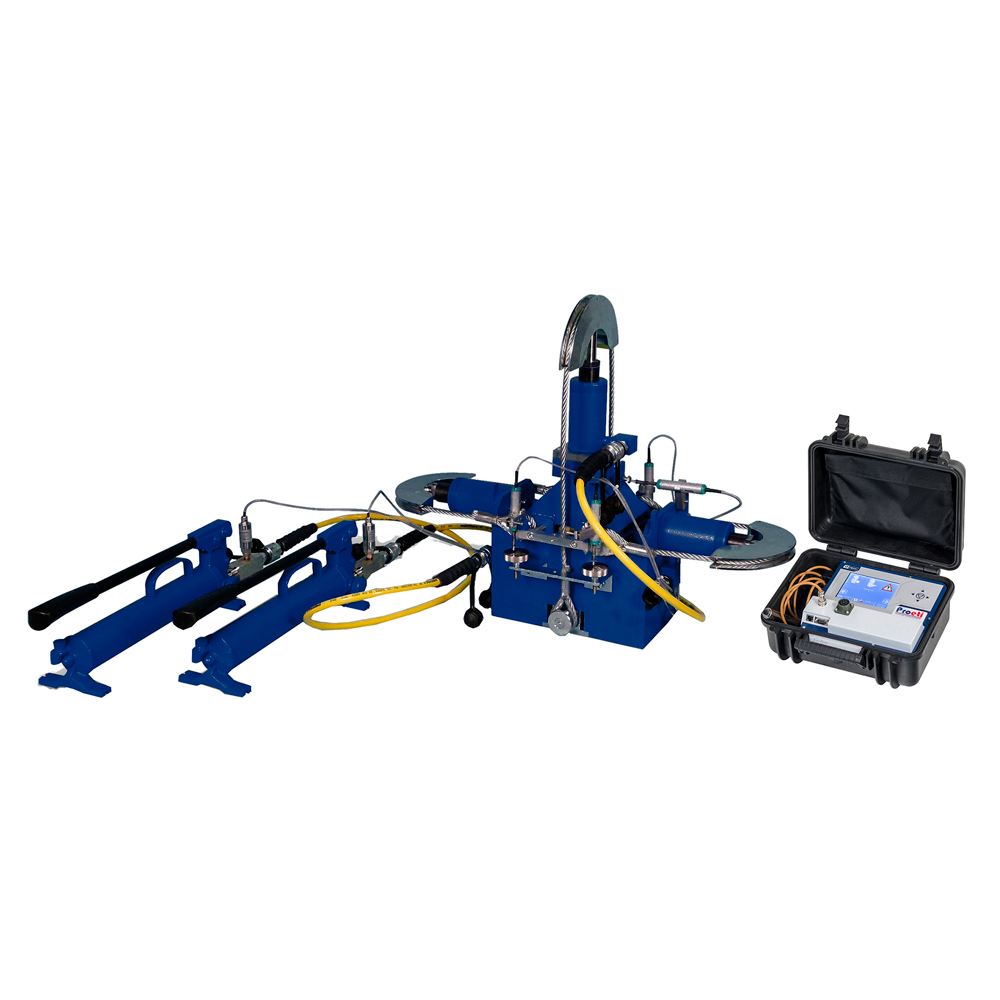
| Shear strength of joints | Digital rock shear box or analogue version | ASTM D5607, ISRM |
| Durability of soft rocks | Slake durability apparatus | ASTM D4644 |
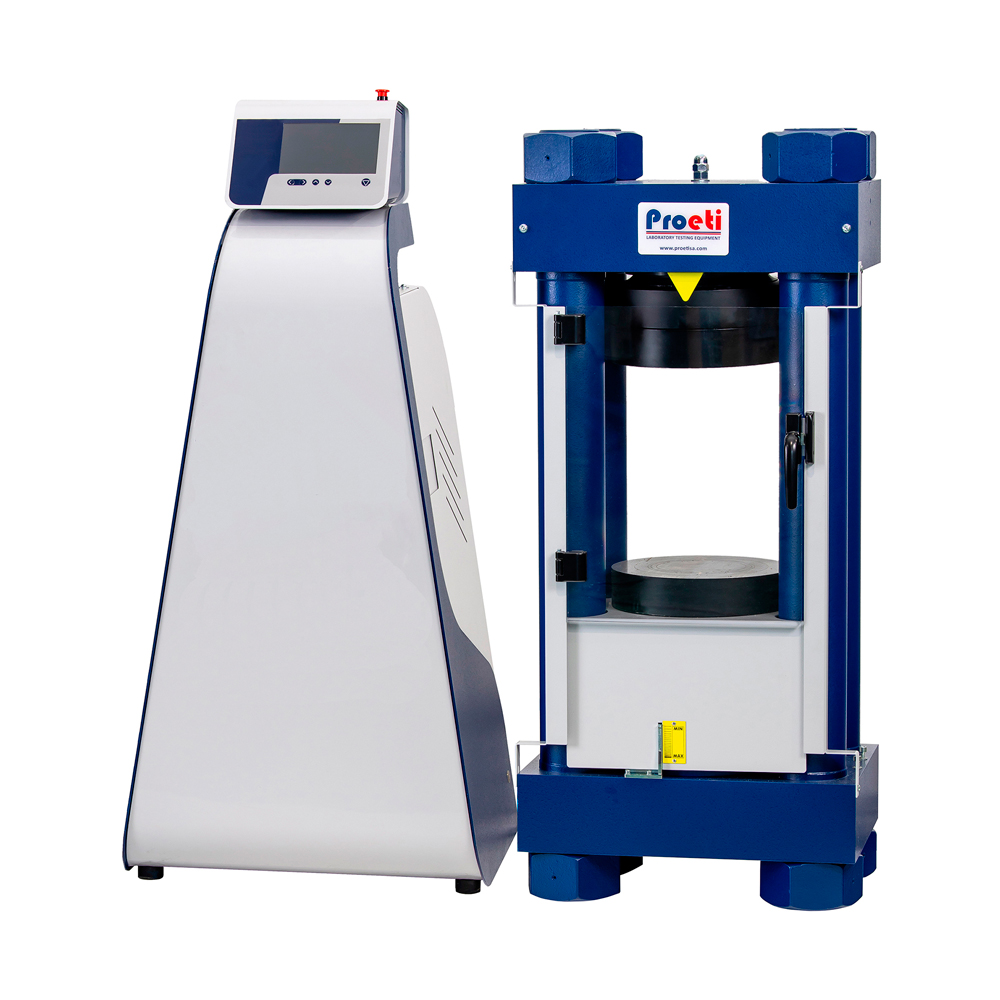
| Triaxial compression | Triaxial system and Hoek cells | EN 1926, ASTM D7012 |
| Modulus of elasticity | Elastic modulus apparatus | EN 14580, ASTM D7012 |
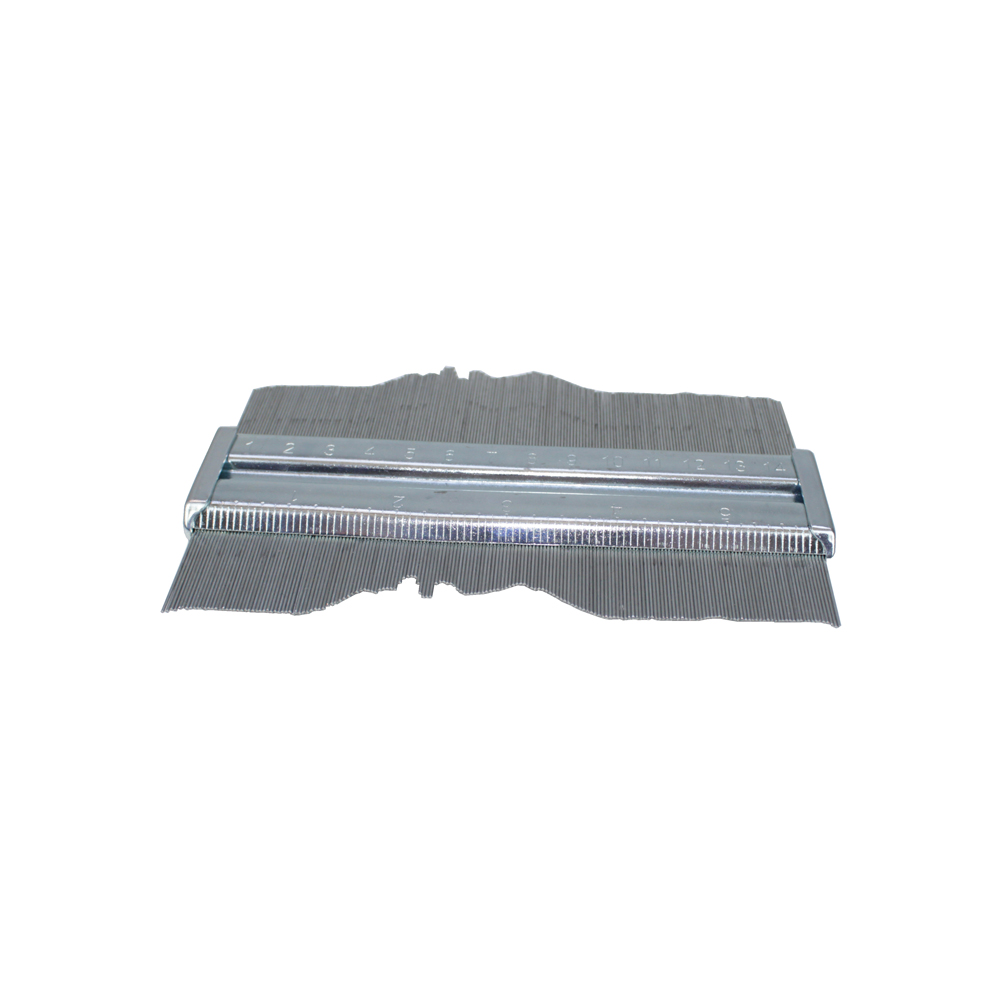
| Joint roughness | Barton profilometer and roughness meter | ISRM |
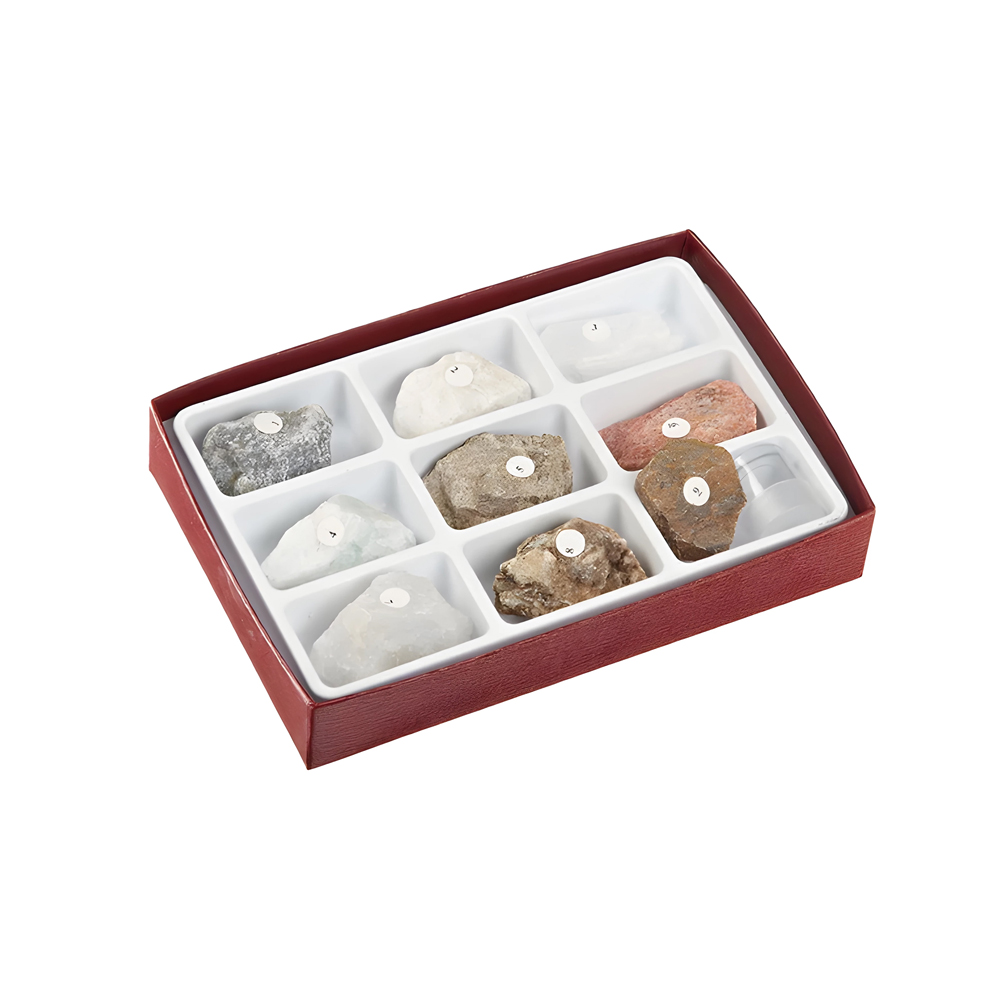
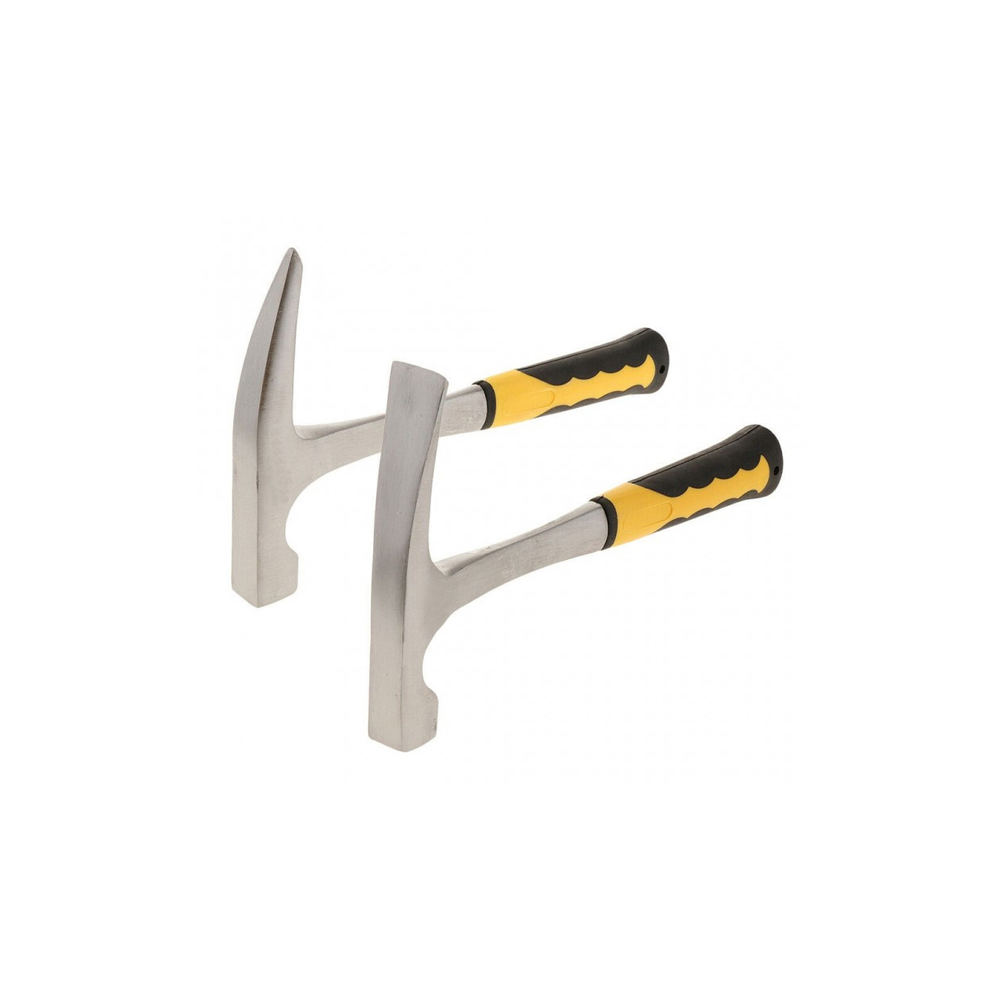
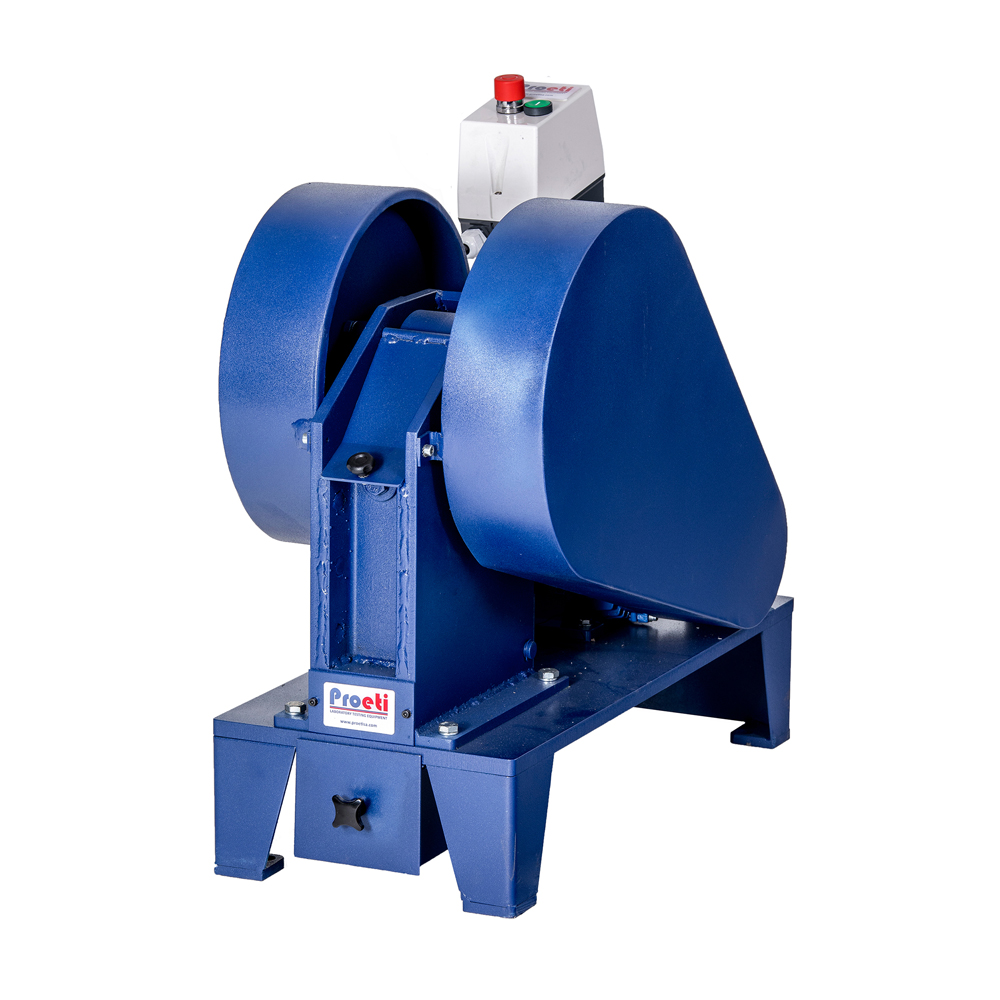
| Preparation and identification | Jaw crusher, Mohs hardness scale and geological hammers | — |
Both have two horizontal hydraulic cylinders for shearing in either direction, a vertical loading cylinder and two hydraulic jacks. The analogue version measures with two 50 kN pressure gauges and a 25 × 0.01 mm dial gauge. The digital version has pressure sensors, a 25 mm displacement transducer, a data logging unit and the software to process the data.
To get a price, click Budget on each product page and send one request with everything you need. If you would rather talk to us, write to us or call +34 916 28 29 40.
How rock and the rock mass respond to loading and excavation. It distinguishes intact rock, which is tested on specimens, from the rock mass, which is cut by joints and faults. It is applied to tunnels, slopes, foundations, dams and mining.
Uniaxial compression, triaxial compression (for cohesion and angle of friction), indirect tensile or Brazilian test, point load, direct shear of joints, durability in water, density, porosity and wave velocity. They follow the ISRM suggested methods or ASTM standards.
The maximum load a cylindrical specimen withstands when compressed along a single axis, with no lateral pressure, divided by its cross-sectional area. It is the basic input for geomechanical classifications. When specimens cannot be prepared, it is estimated from the point load test, by multiplying its index by a correlation factor.
Three ways of classifying a rock mass. RQD is the percentage of a borehole made up of core pieces 10 cm long or more. Bieniawski's RMR scores from 0 to 100 the strength of the rock, the RQD, the spacing and condition of the joints, and groundwater. Hoek's GSI is estimated visually from the structure of the rock mass and is used for the Hoek-Brown failure criterion.
If you also test aggregates on the same project, their equipment is in aggregates and rocks.