A road materials laboratory tests two things: the bitumen, which acts as the glue, and the asphalt mixture it forms with the aggregates. Here you will find our asphalt testing equipment for both: penetrometers, ring and ball apparatus, ignition ovens, extractors, Marshall equipment and devices for checking the pavement on site, to EN 12697, ASTM and AASHTO. We will help you choose and send you a quote.
Asphalt mixtures are produced to the EN 13108 series and tested with the methods of EN 12697; paving bitumens, to EN 12591 and its test methods. In Spain, the PG-3 specification (articles 542 and 543) sets which tests are required on roads. These are the most common:
| What is measured | Equipment and standard |
|---|---|
| Bitumen consistency | Penetrometer (EN 1426) and ring and ball (EN 1427) |
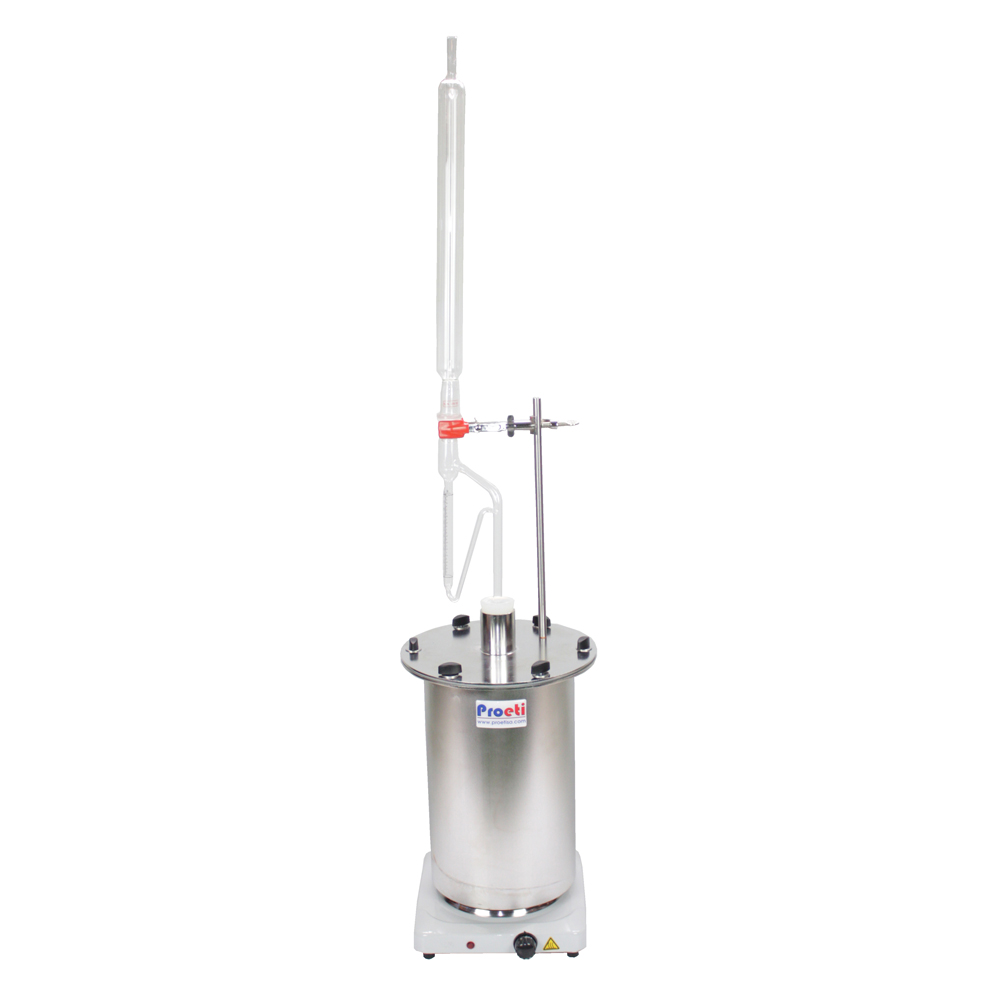
| Low and high temperature behaviour | Fraass breaking point (EN 12593), ductilometer and Cleveland flash point (EN ISO 2592) |
| Bitumen ageing | RTFOT oven and TFOT oven (EN 12607-1 and -2) |
| Viscosity | Saybolt viscometer (ASTM D88), Engler and STV tar viscometer (EN 12846) |
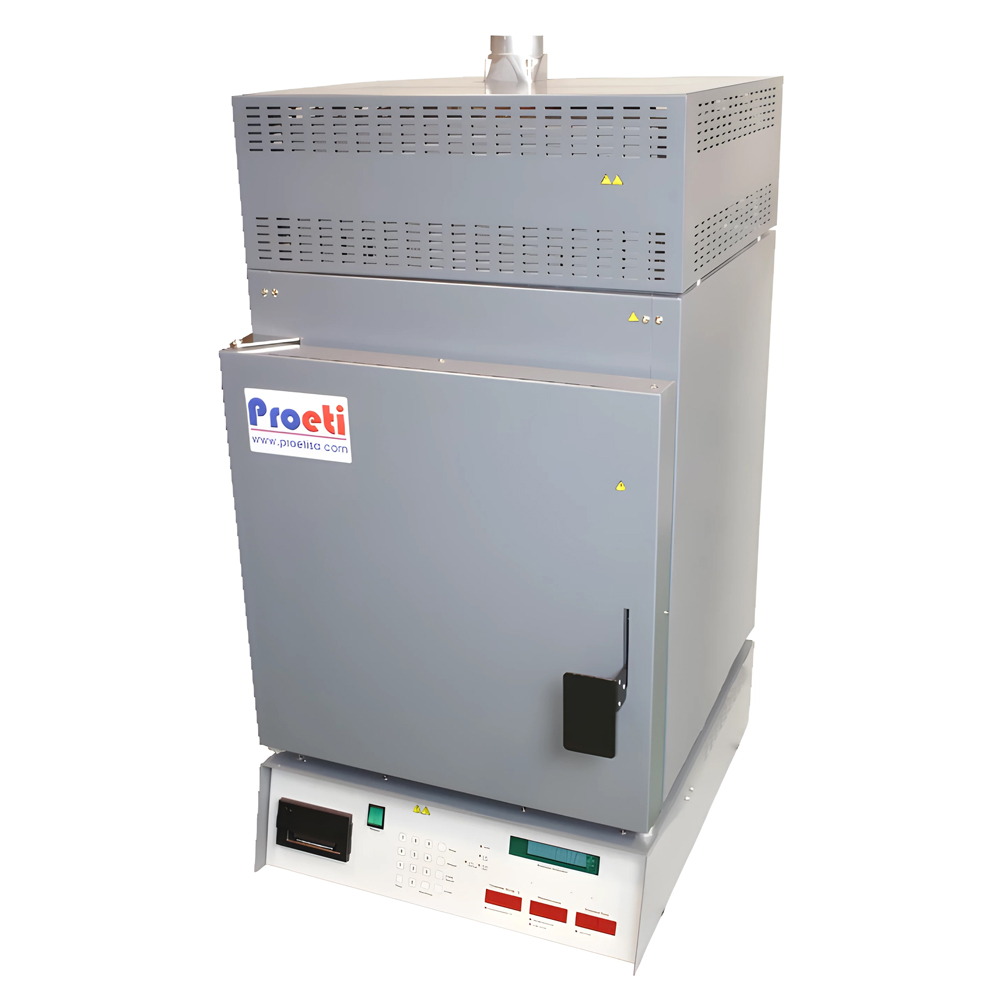
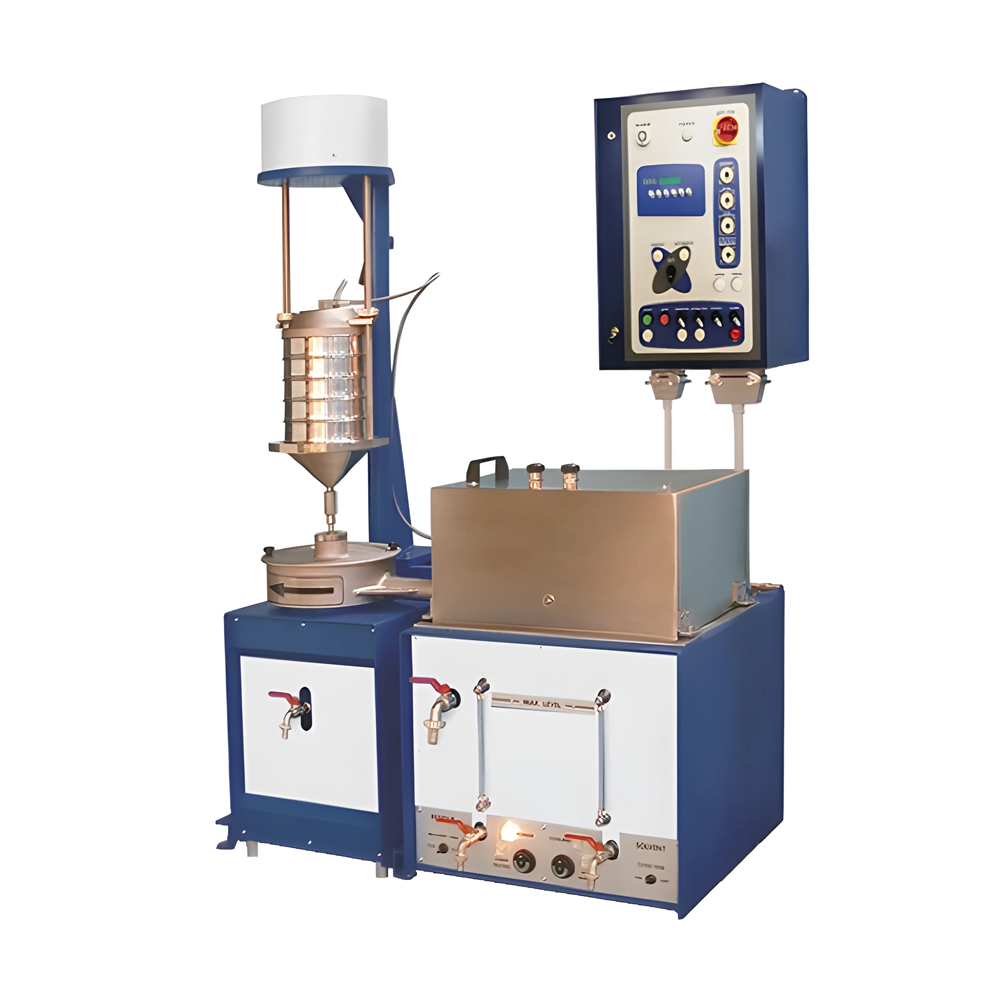
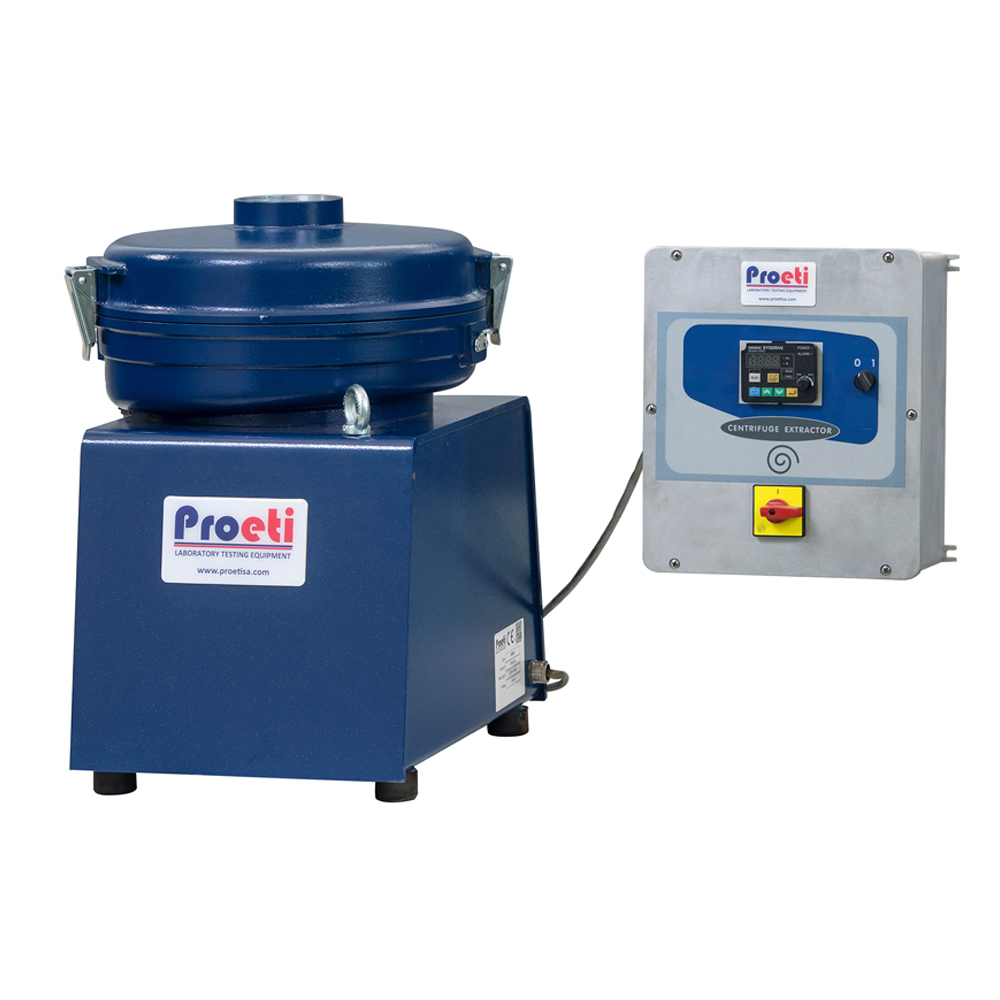
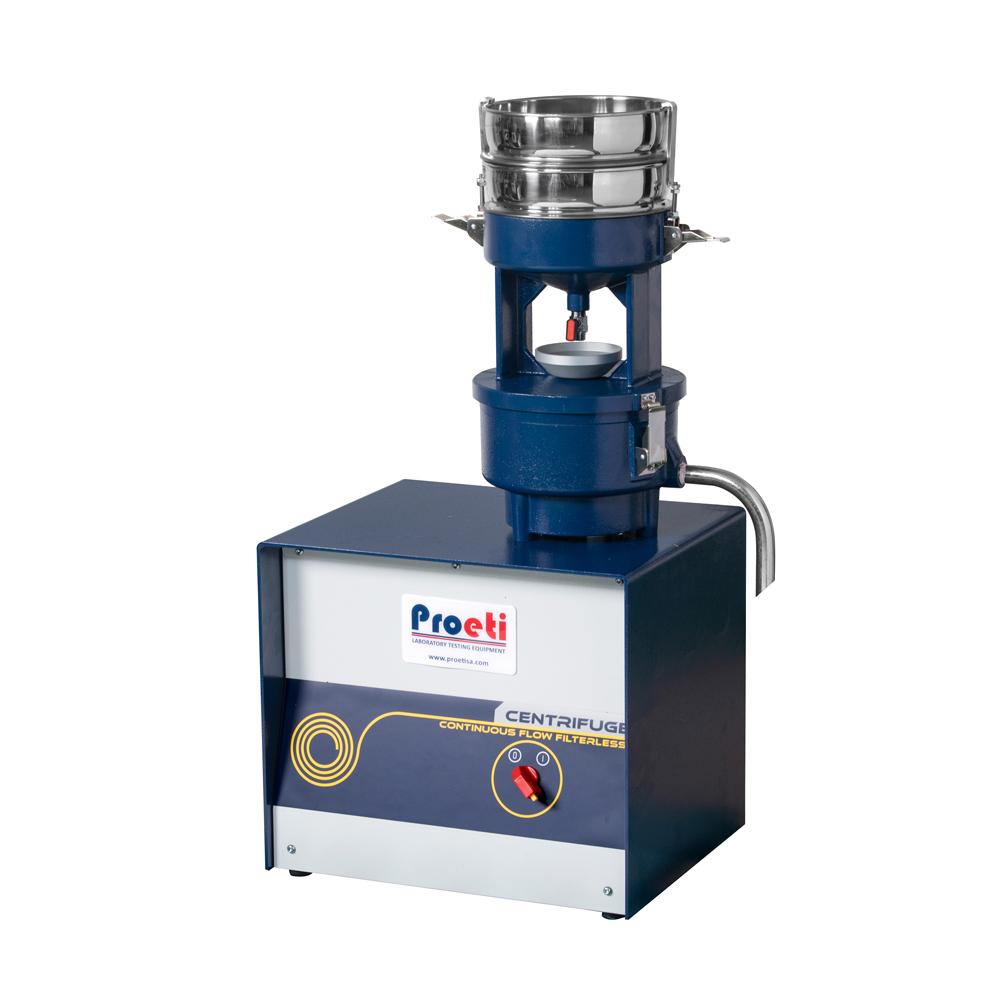
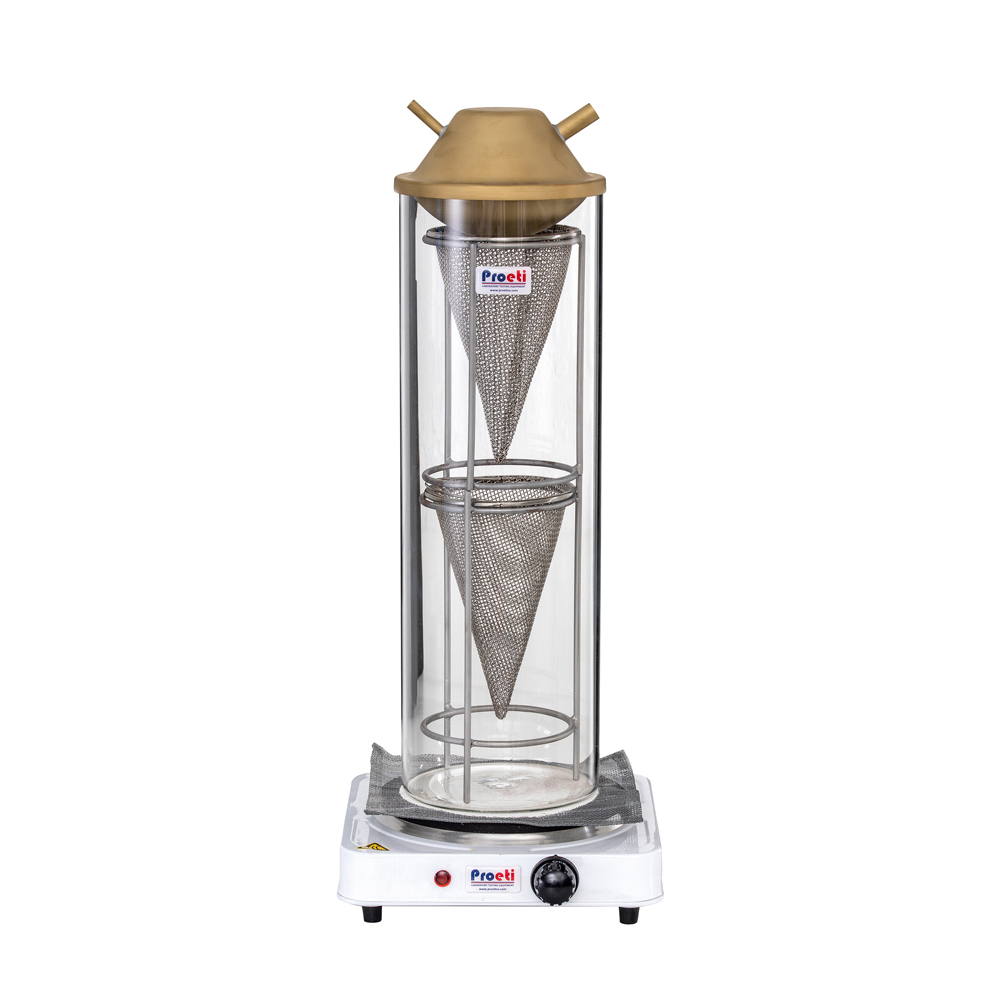
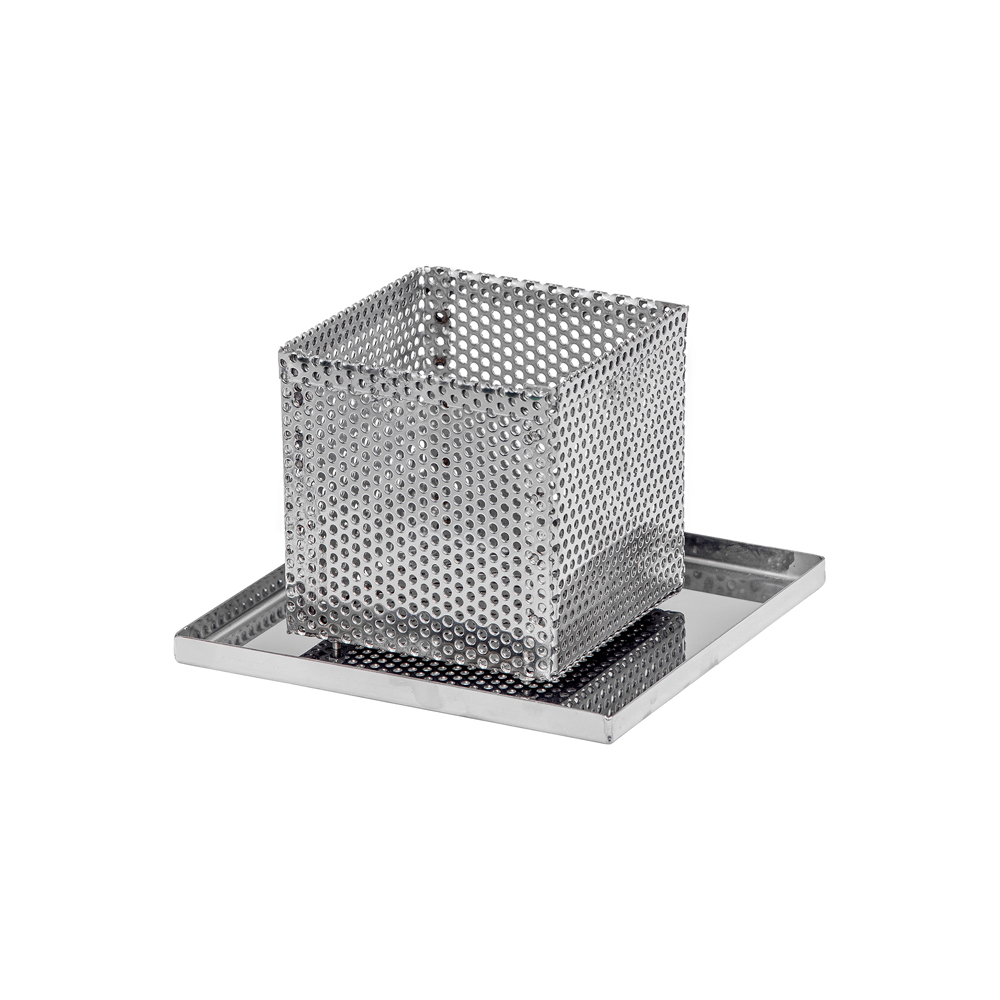
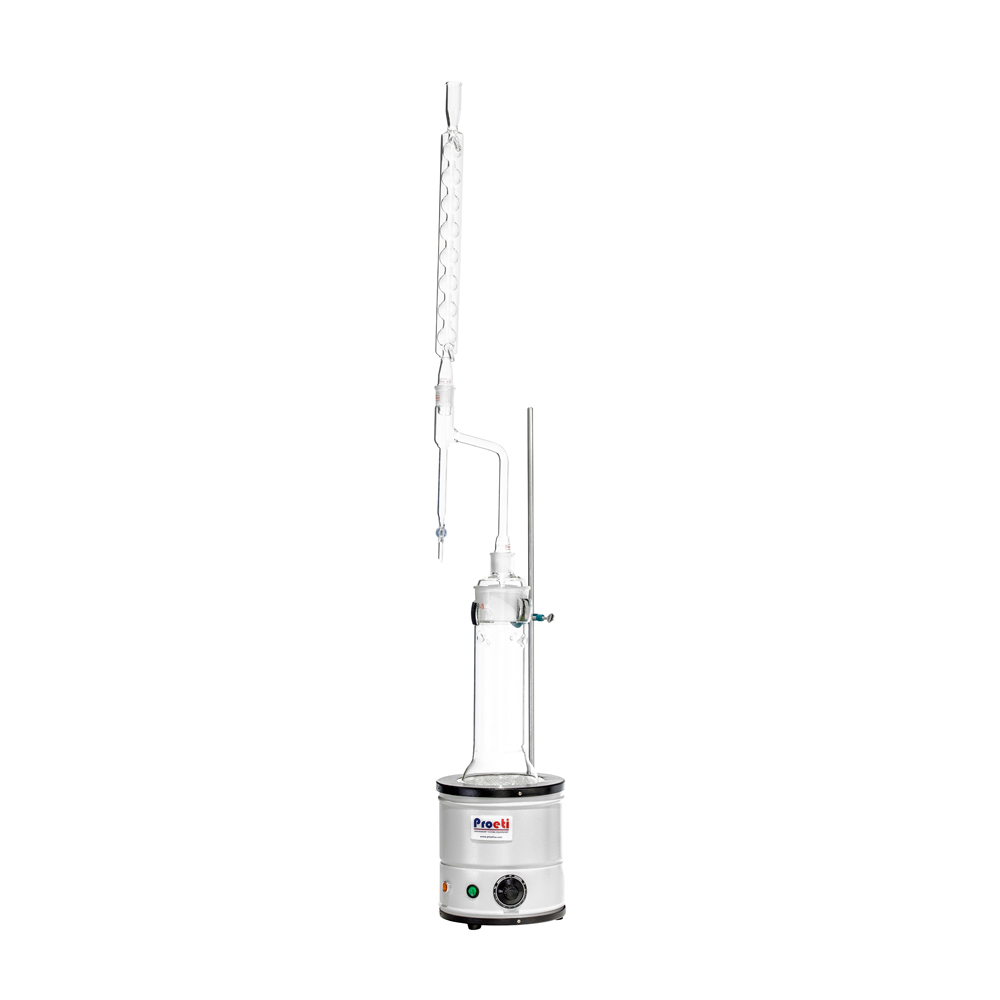
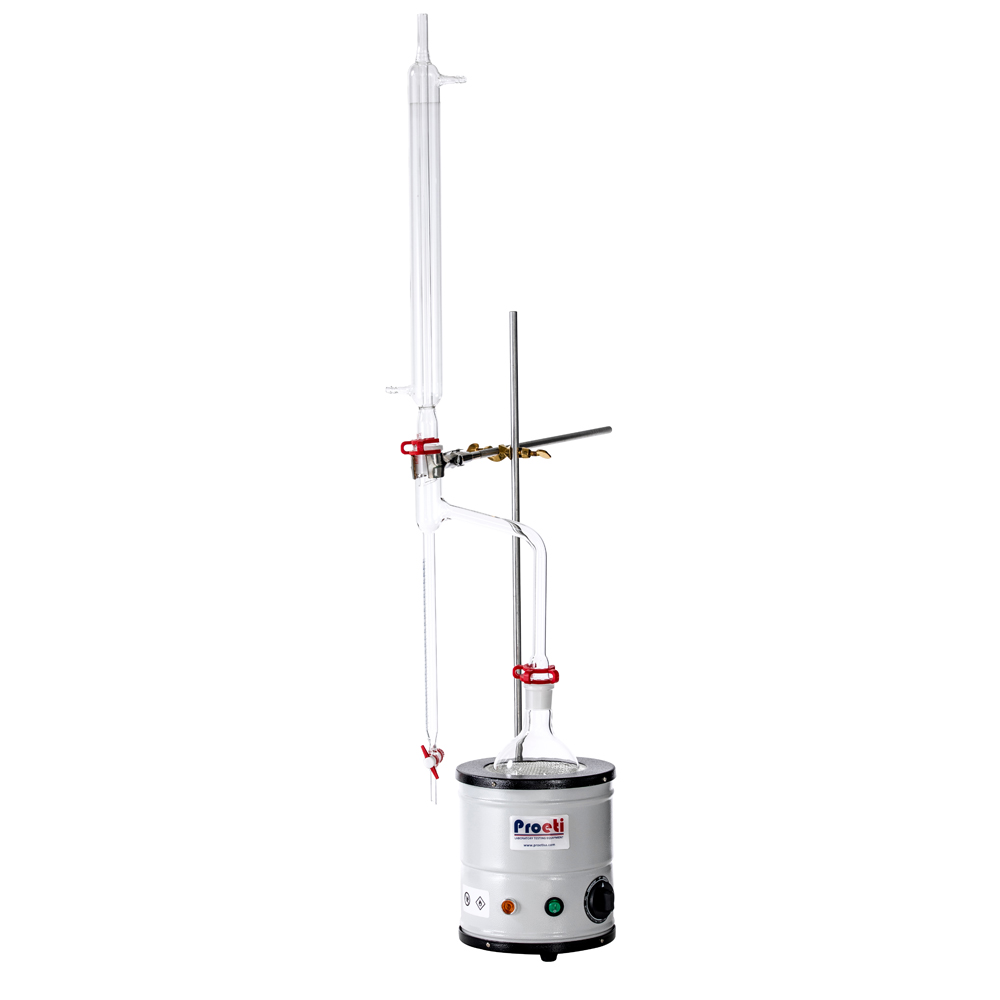
| Binder content of the mixture | Ignition oven (EN 12697-39) or solvent extraction (EN 12697-1) |
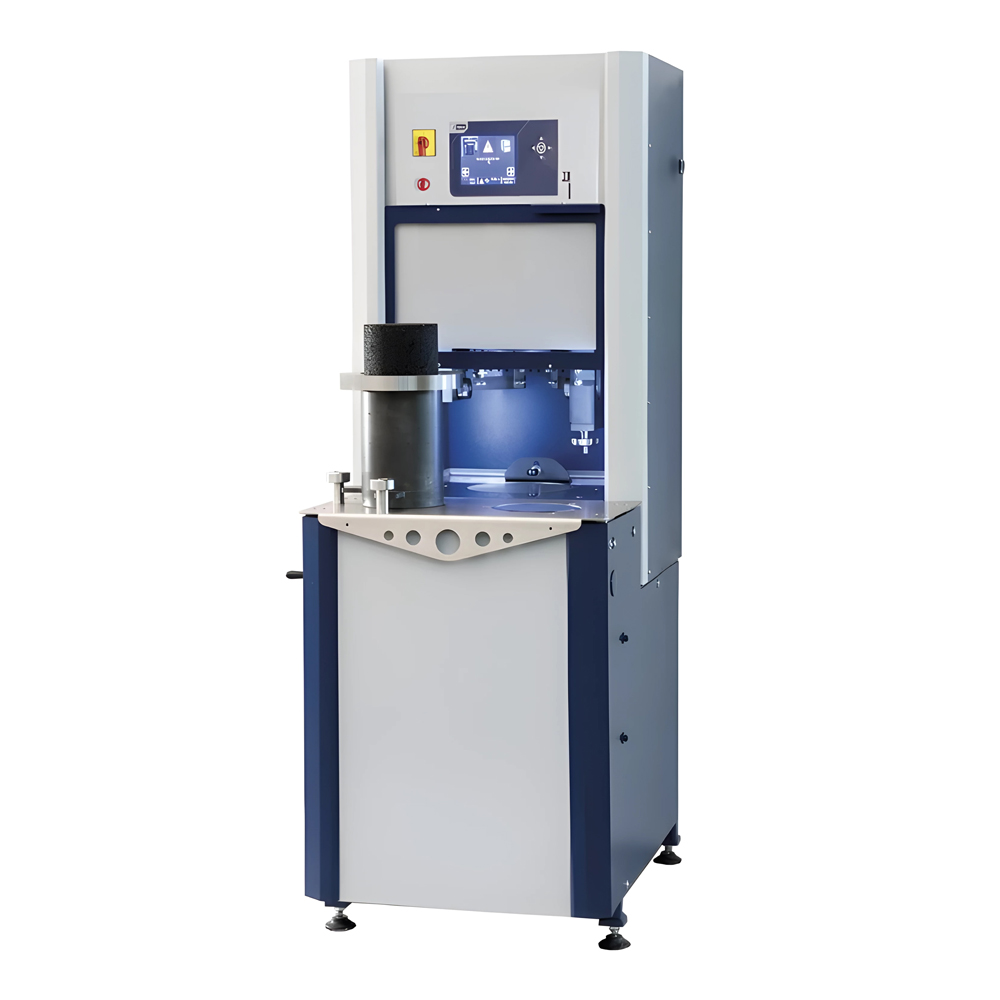
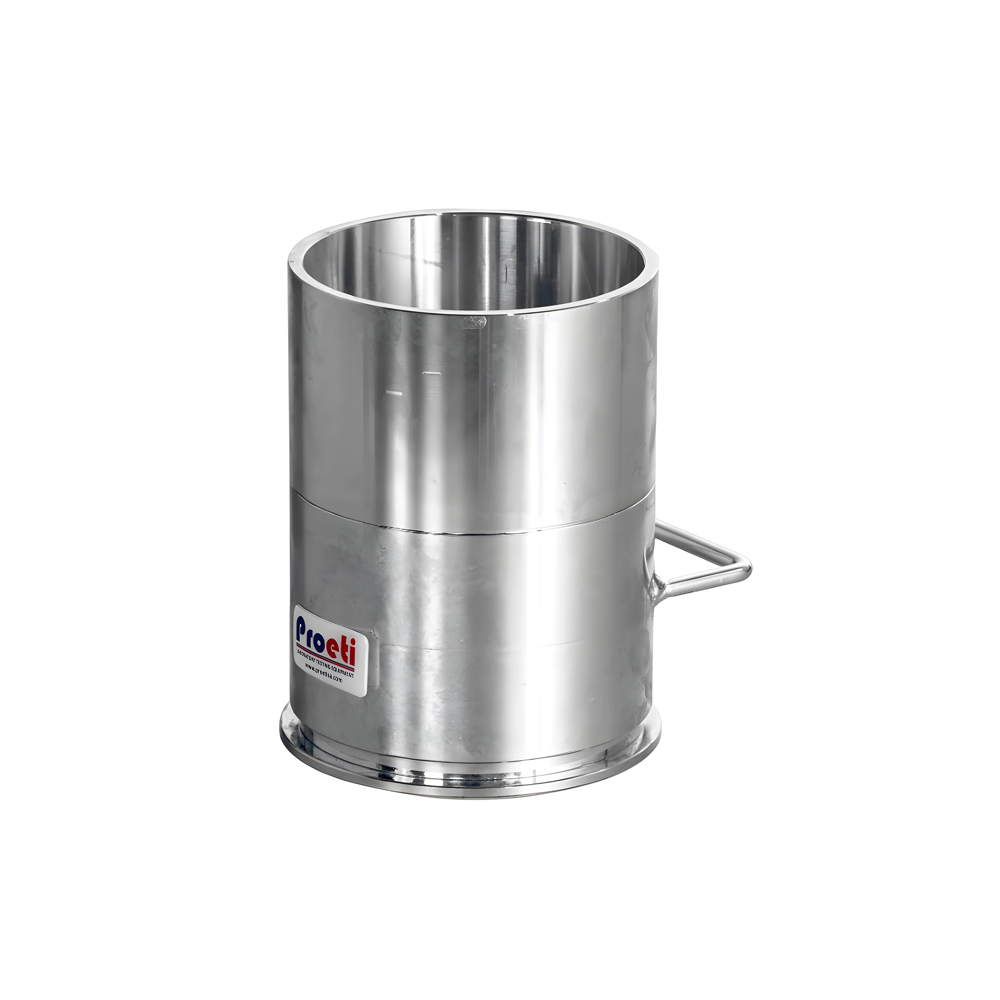
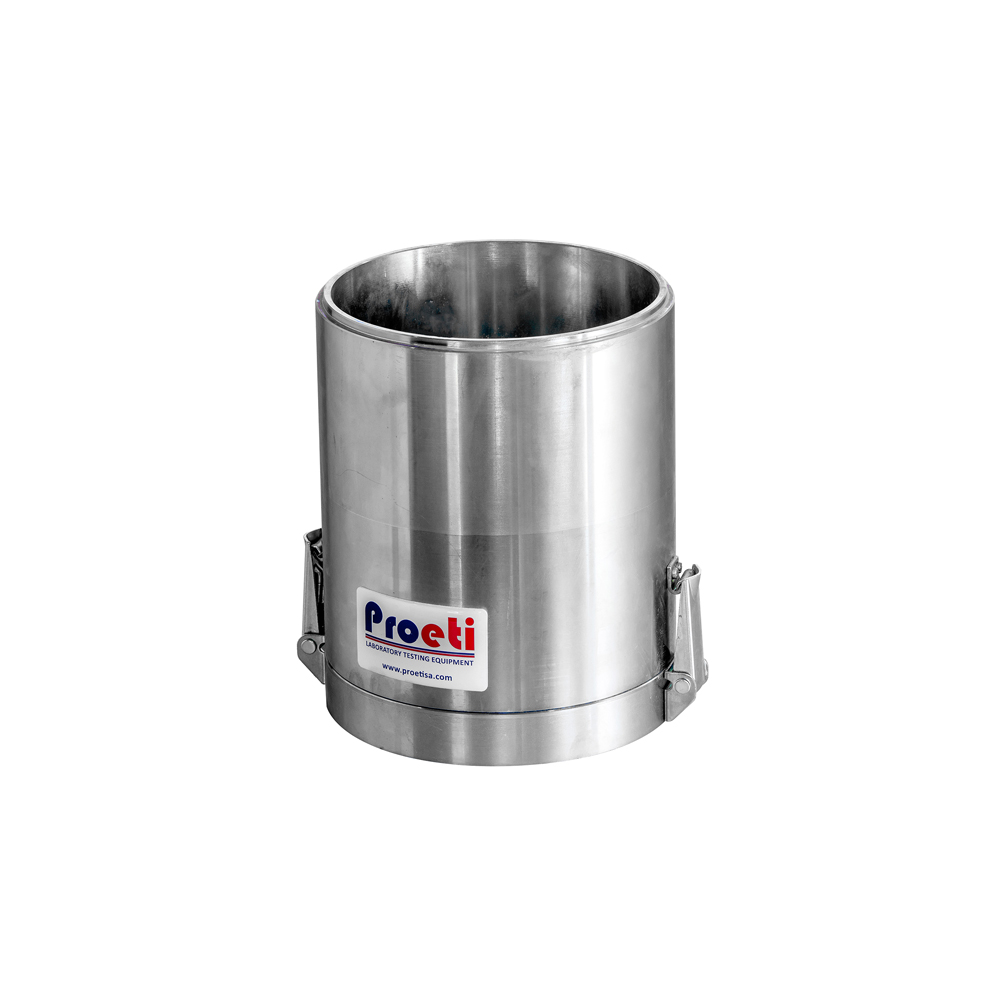
| Specimen preparation | Marshall compactor (EN 12697-30) and gyratory compactor (EN 12697-31) |
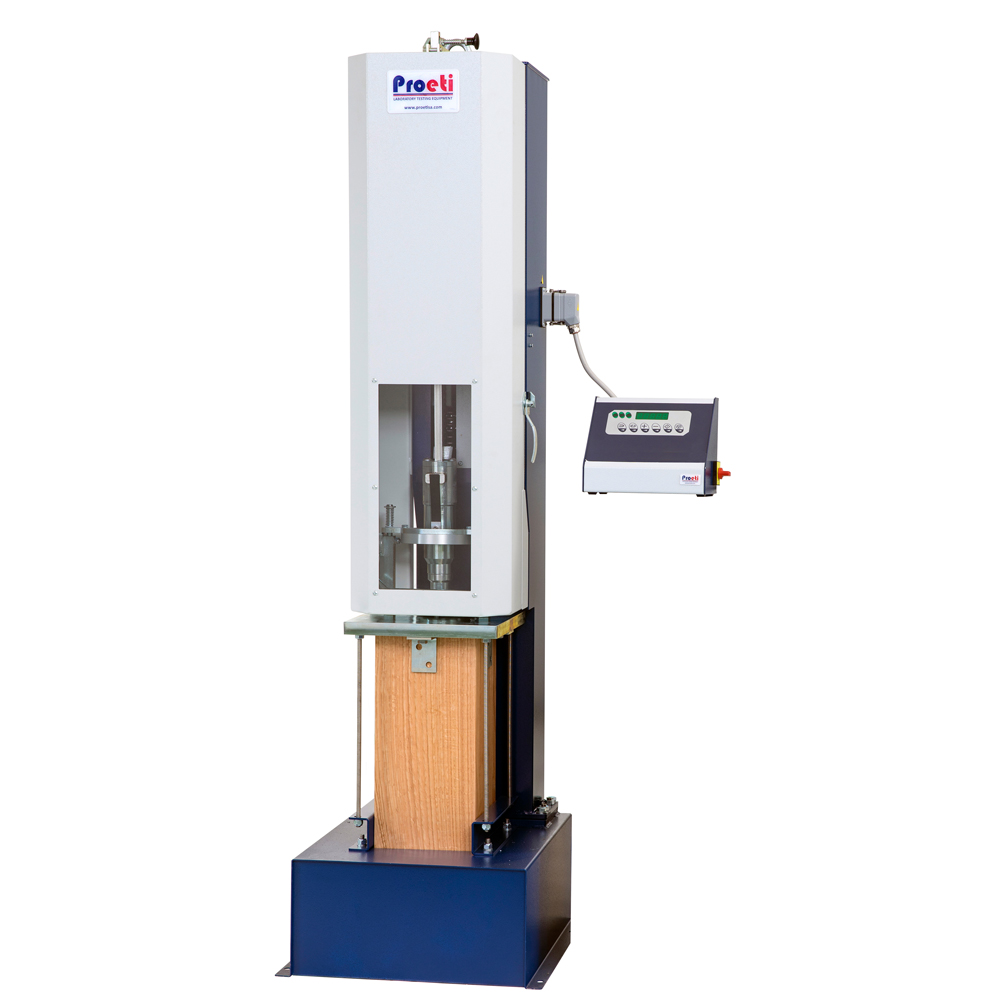
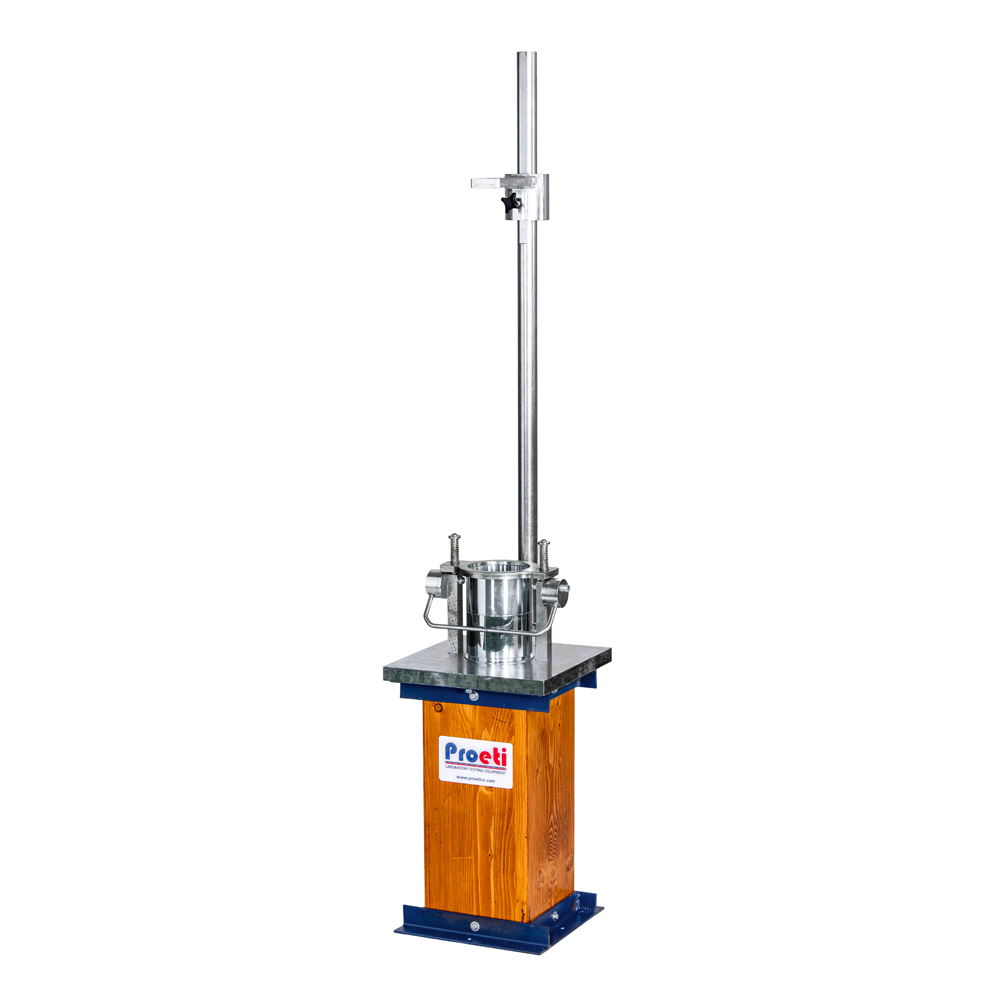
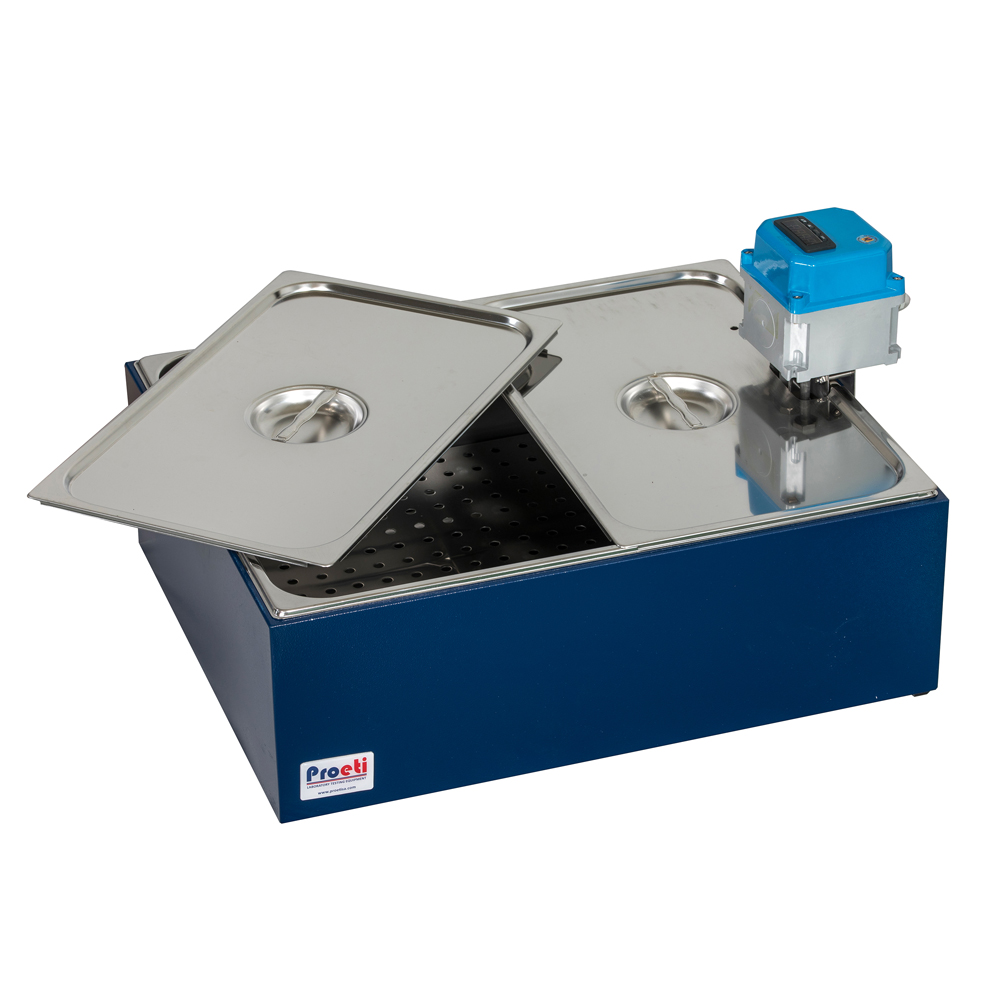
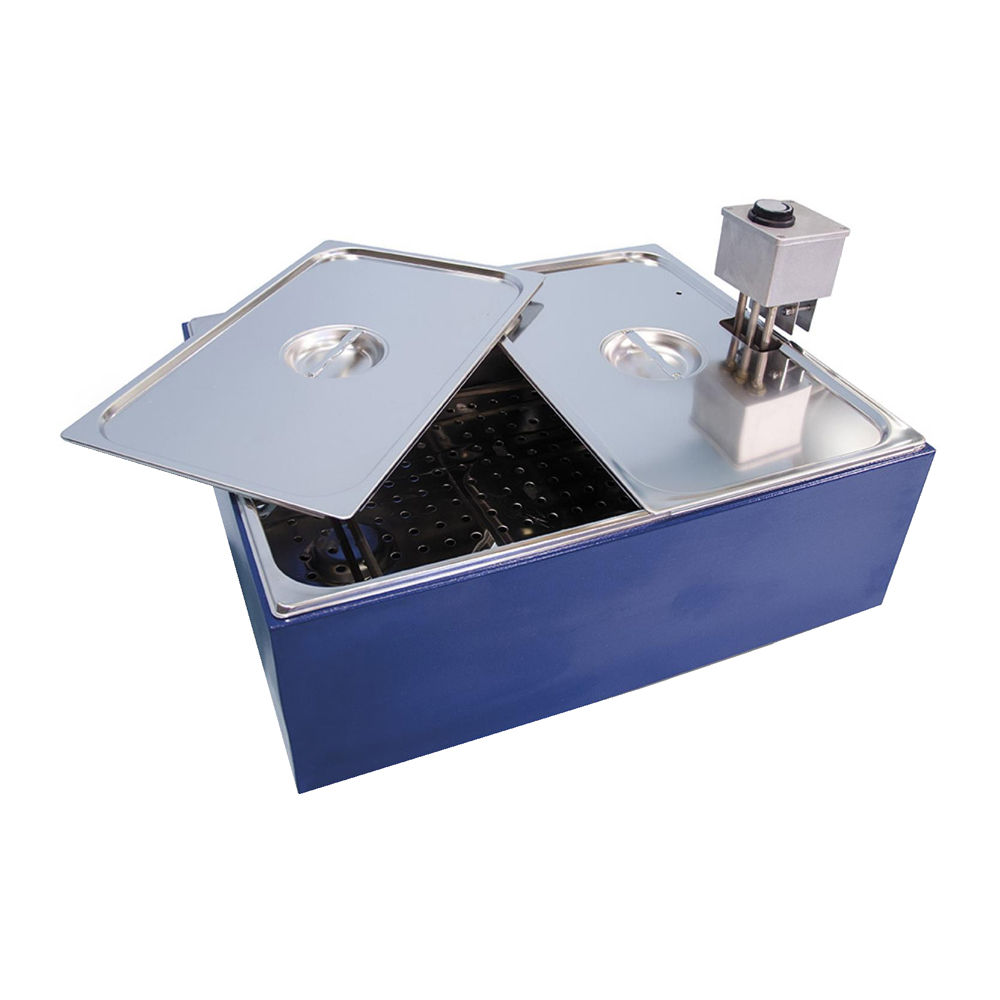
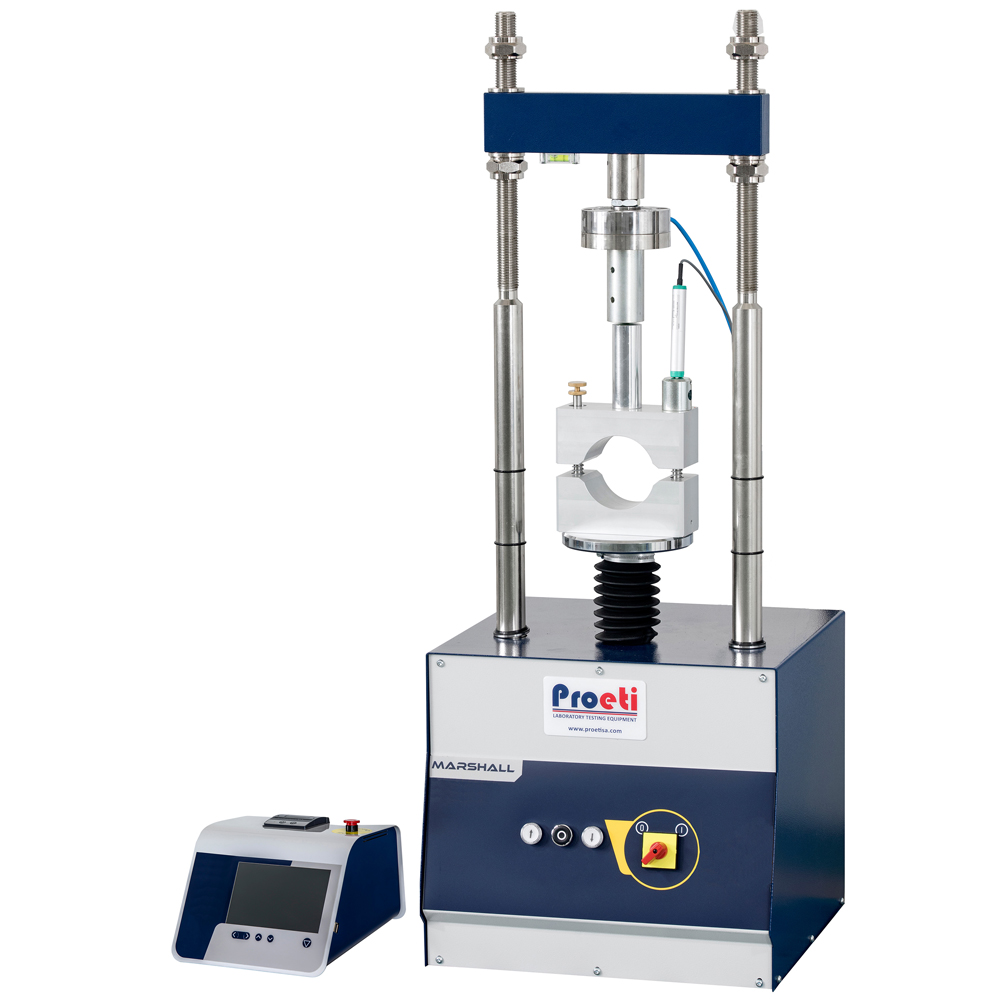
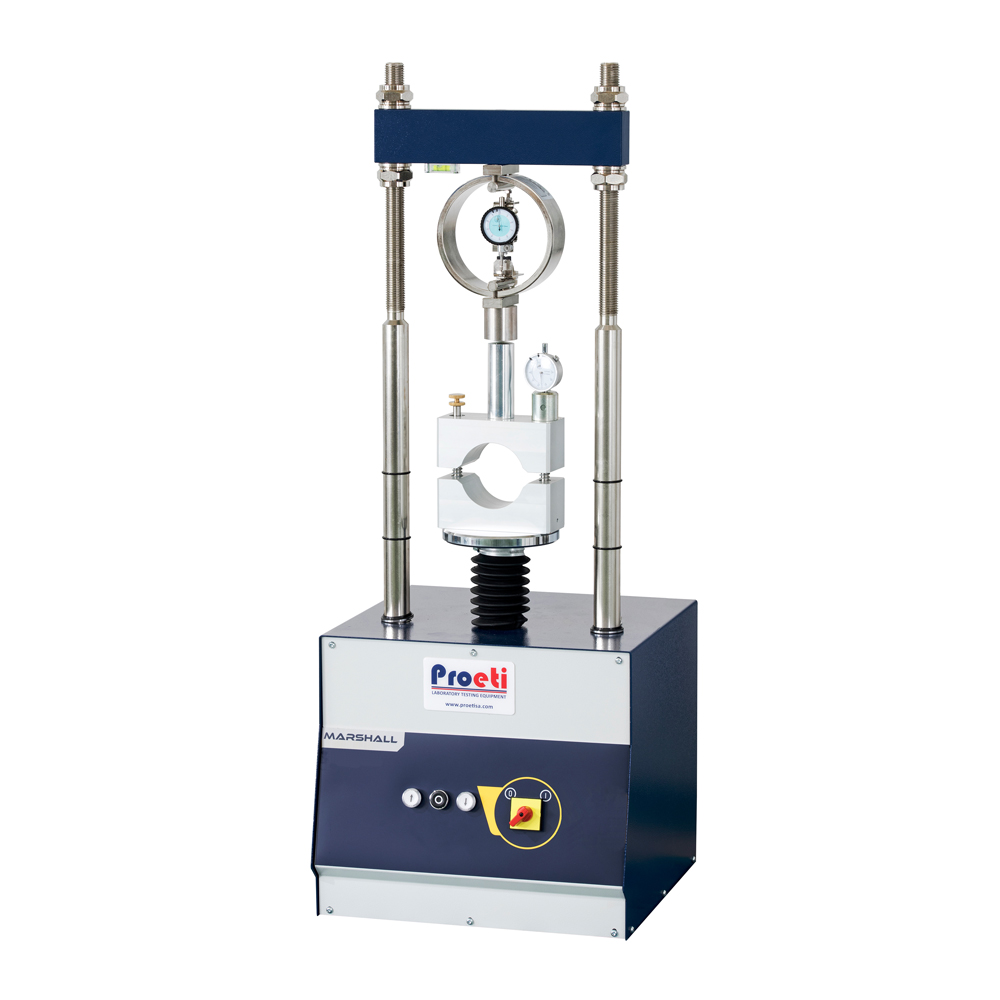
| Stability and flow | Marshall press and 60 °C water bath (EN 12697-34) |
| Stiffness and fatigue | Four-point bending (EN 12697-26 and -24) and dynamic systems |
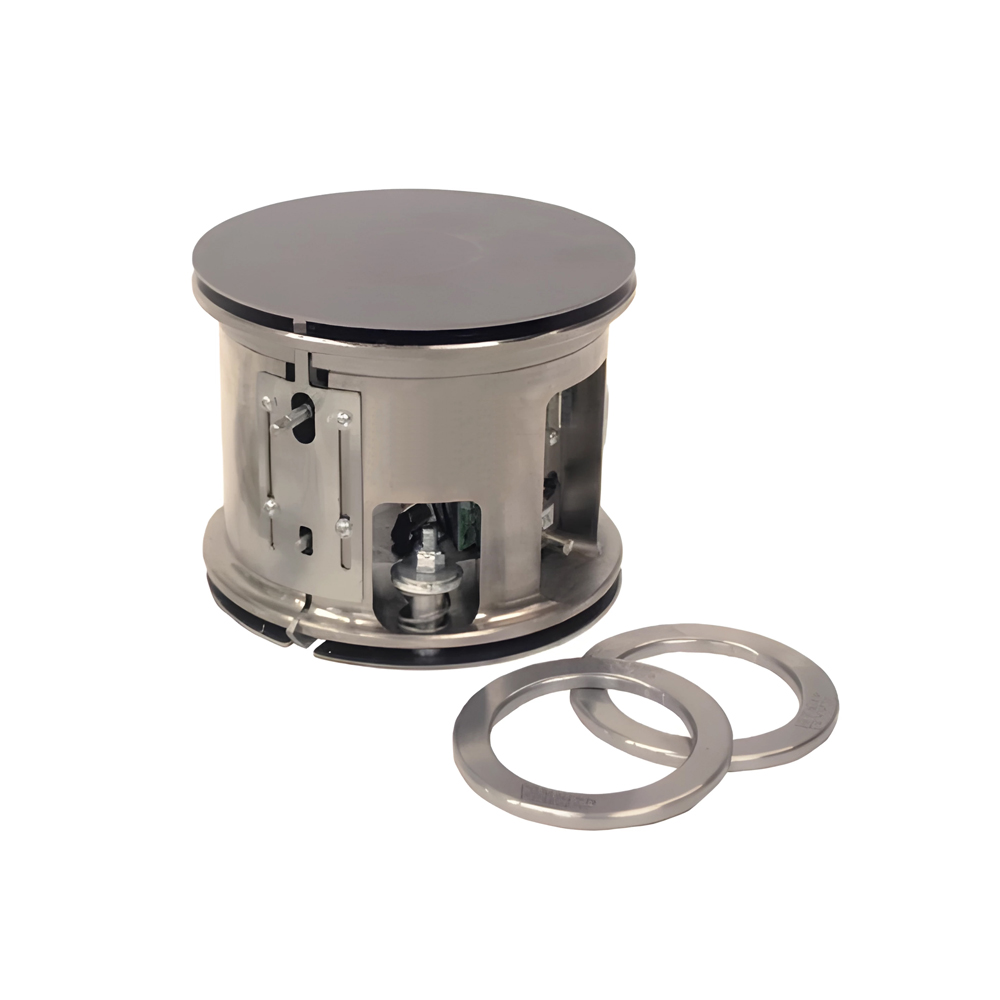
| The finished pavement | Benkelman beam, sand patch, 3 m straightedge and non-nuclear density gauge |
Each group has its own section: asphalt and asphalt cement, mixture analysis, Marshall test and quality on roads.
Quality control of an asphalt mixture goes through three stages, and each one uses different equipment:
To get a price, click Budget on each product page and send one request with everything you need. If you would rather talk to us, write to us or call +34 916 28 29 40.
A combination of aggregates, filler and a bituminous binder, usually bitumen, used to build the layers of a pavement. What people call "asphalt" or "tarmac" on the street is almost always a hot mix asphalt: it is produced in a plant at around 150-180 °C and laid and compacted before it cools.
The EN 13108 series distinguishes, among others, asphalt concrete (AC), the most widely used; asphalt for very thin layers (BBTM); porous asphalt (PA), with a high void content to drain water; stone mastic asphalt (SMA), rich in coarse aggregate and bitumen; and mastic asphalt. By production temperature, they are hot, warm, half-warm or cold mixes.
Its binder content and aggregate grading, the density and air voids of the specimens, water sensitivity, resistance to permanent deformation with the wheel tracking test and, depending on the specification, Marshall stability, stiffness and fatigue. All the methods are in the EN 12697 series.
Paving grade bitumens are specified in EN 12591, polymer modified bitumens in EN 14023 and cationic bitumen emulsions in EN 13808. Mixtures are covered by the EN 13108 series and their tests by EN 12697. In Spain, the PG-3 specification states which type to use in each layer and which values to require.
Click the Budget button on each product page to add it to your request and send it when you have everything. If you are setting up a laboratory or are not sure which equipment your specification calls for, write to us with the standards and we will prepare the complete list.
For the aggregates in the mixture (grading, Los Angeles, polishing), see aggregates and rocks.