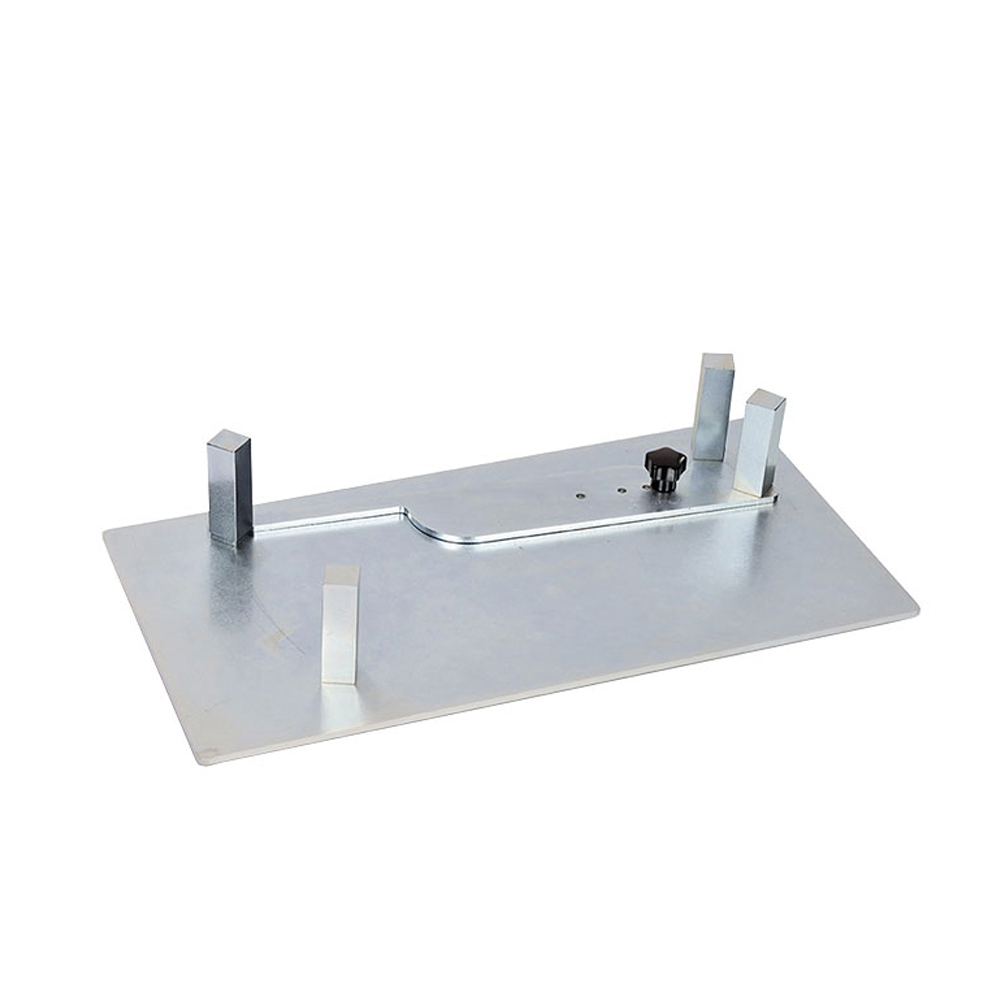
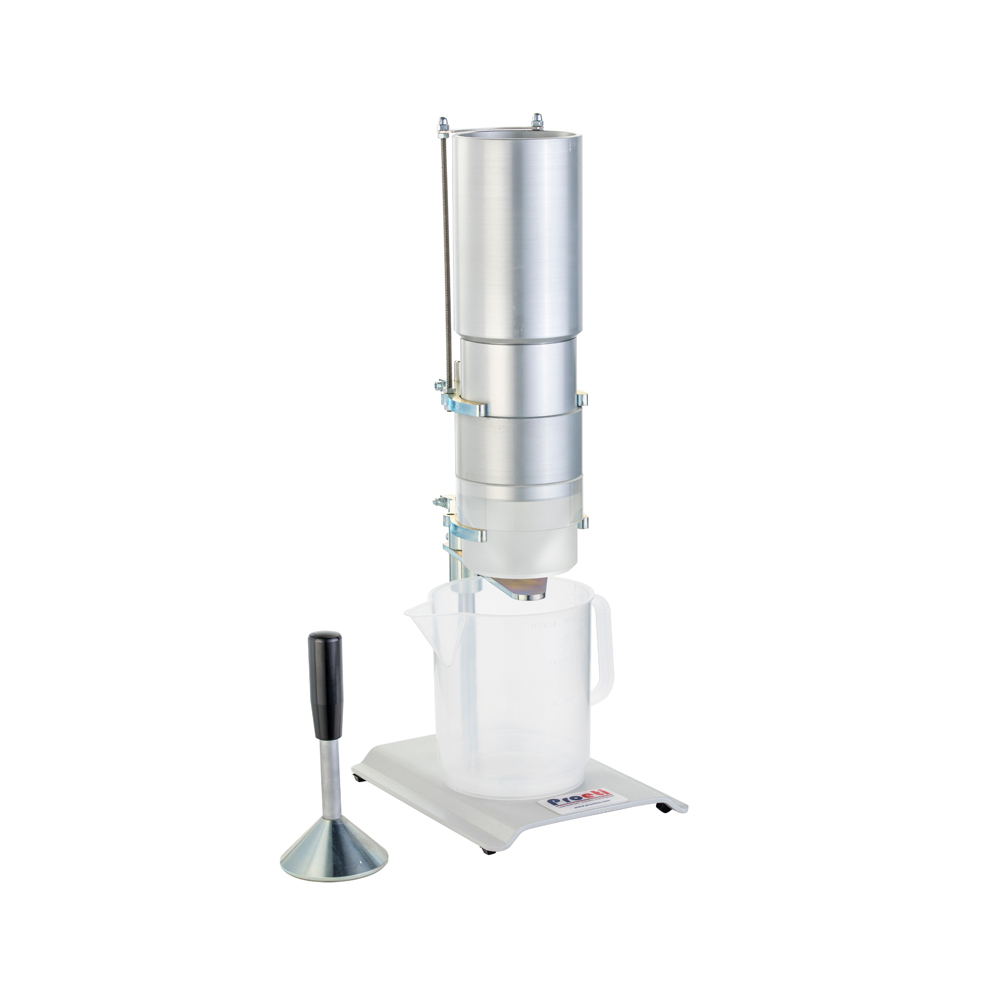
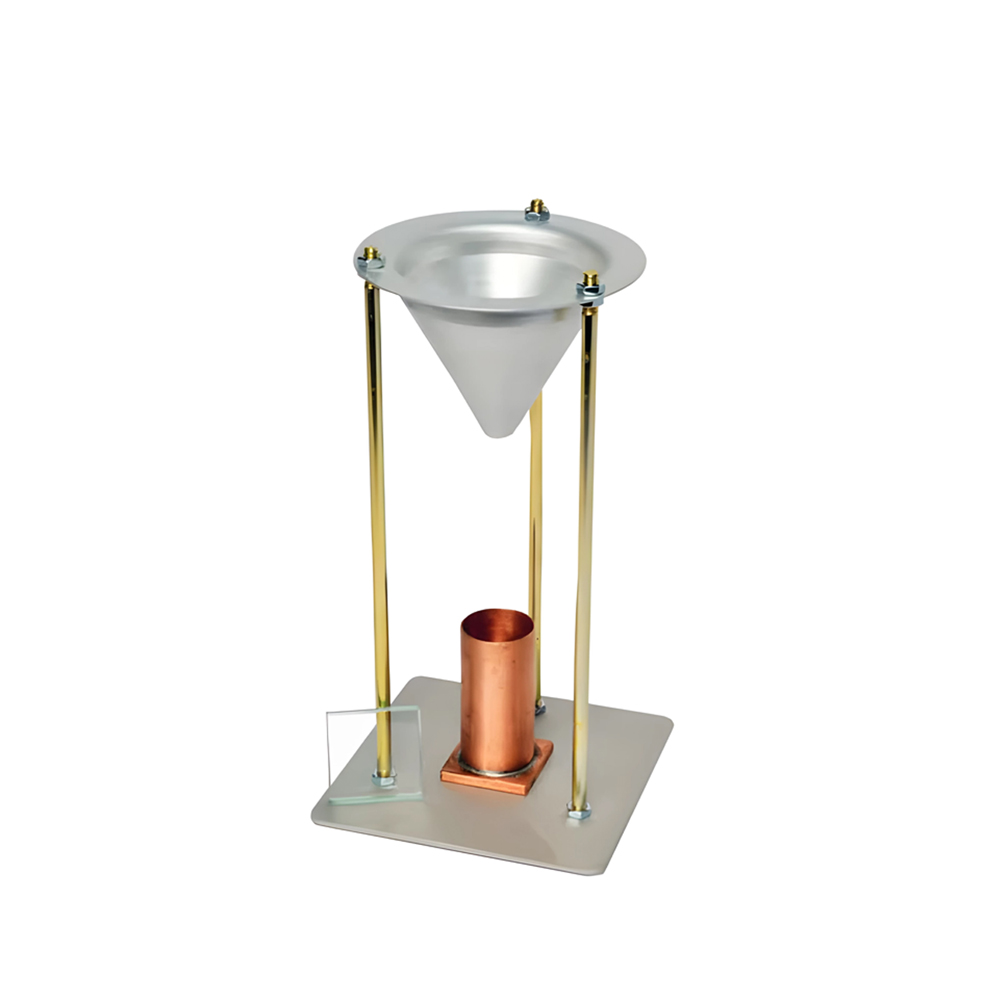
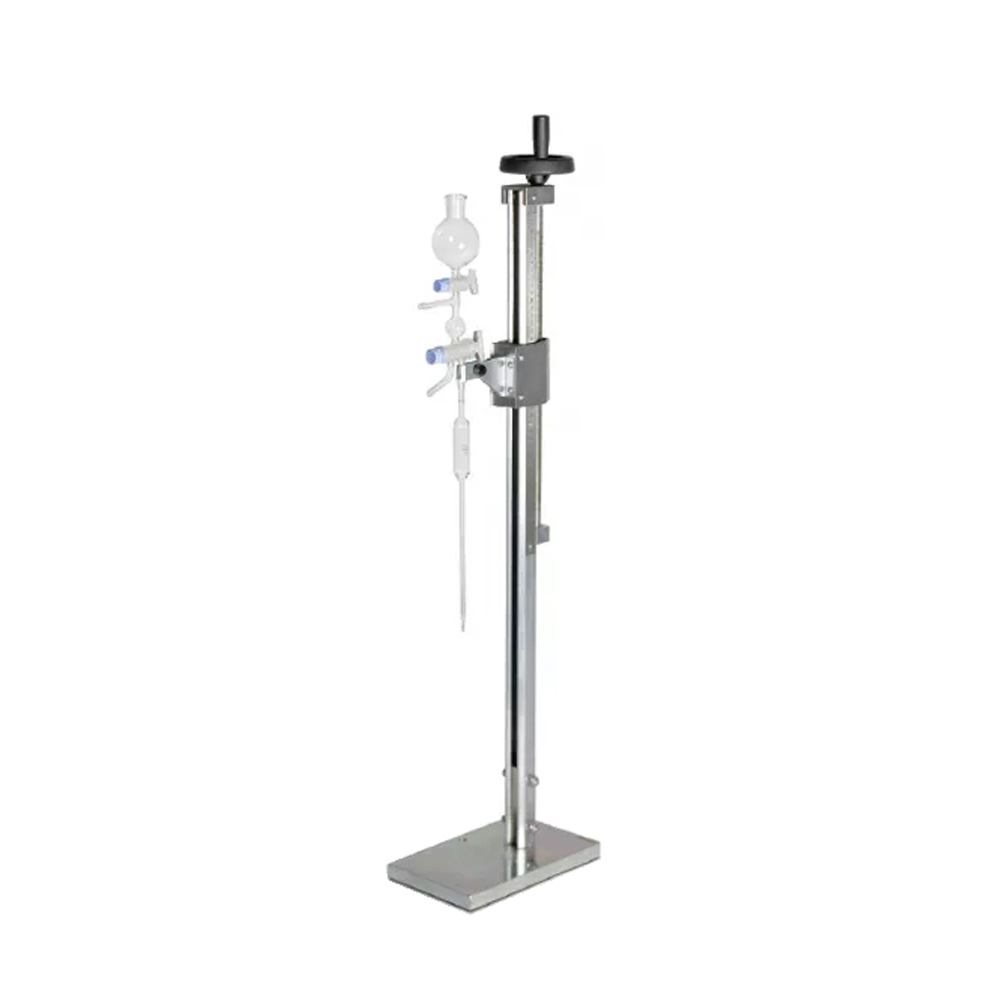
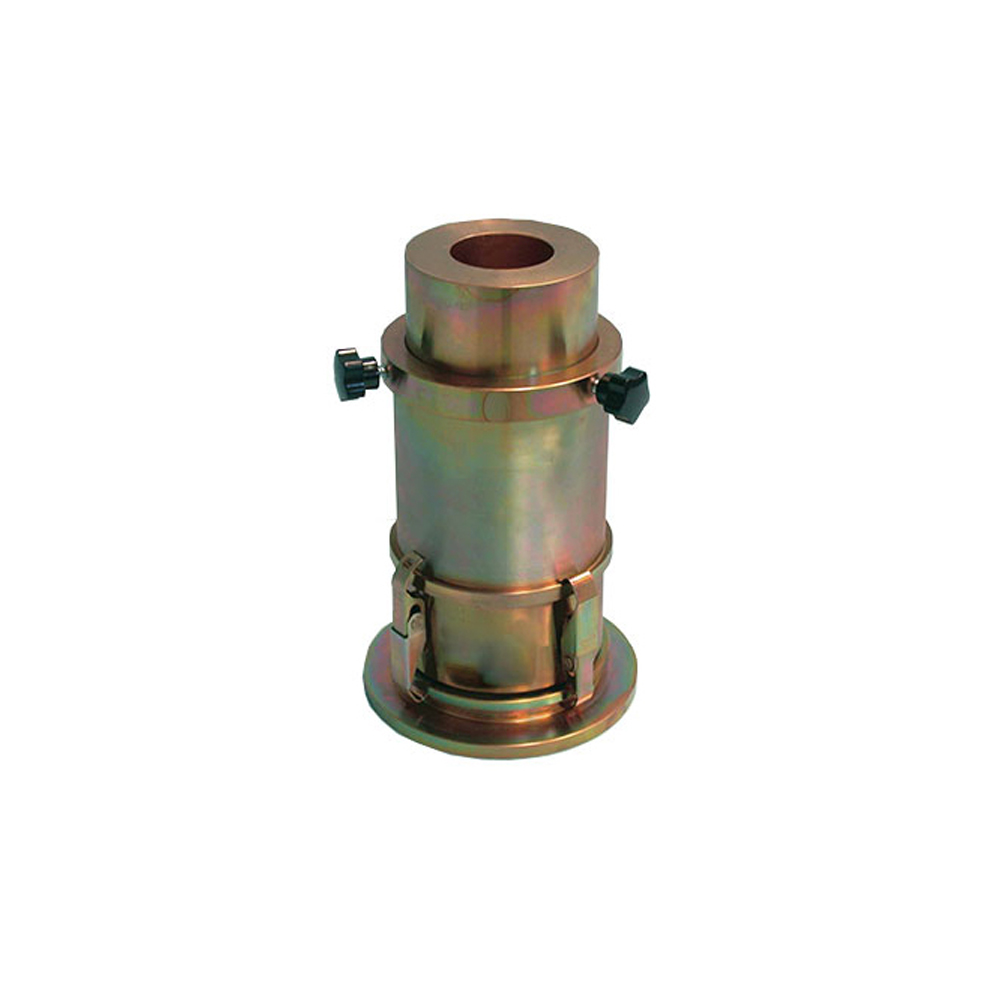
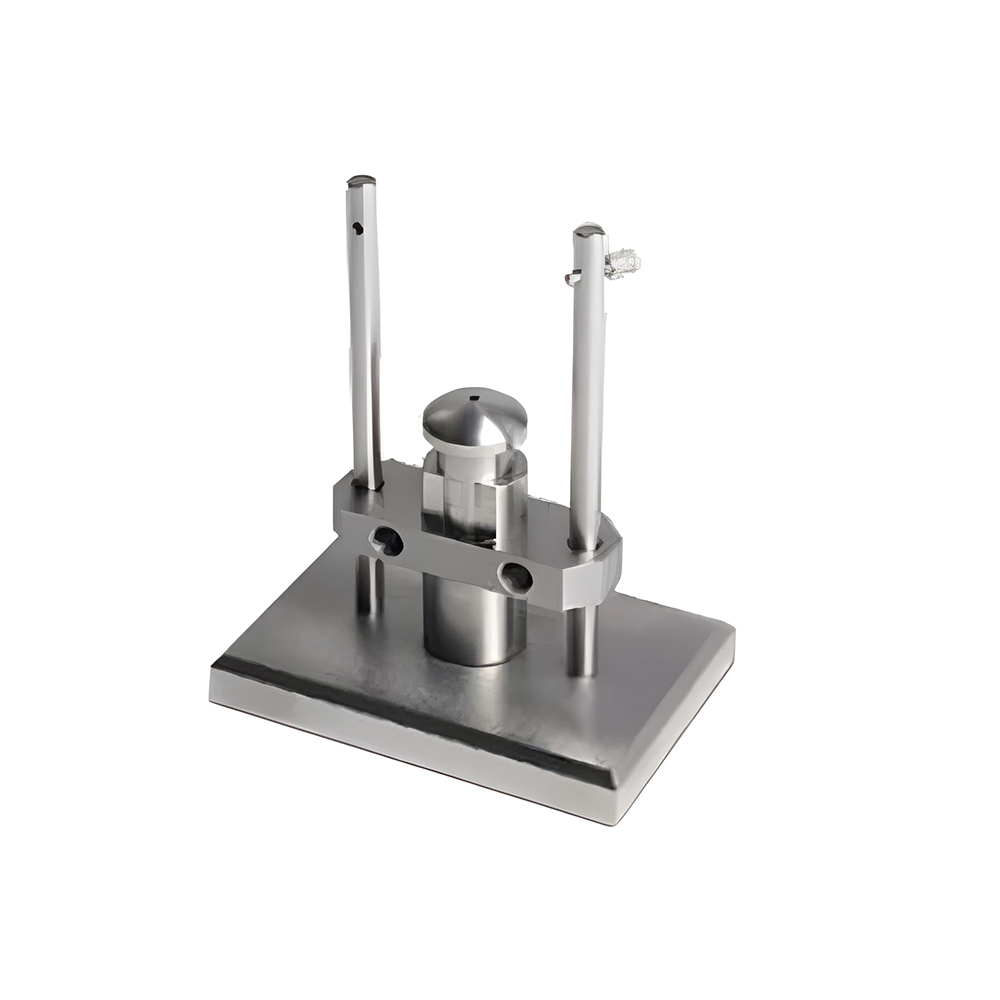
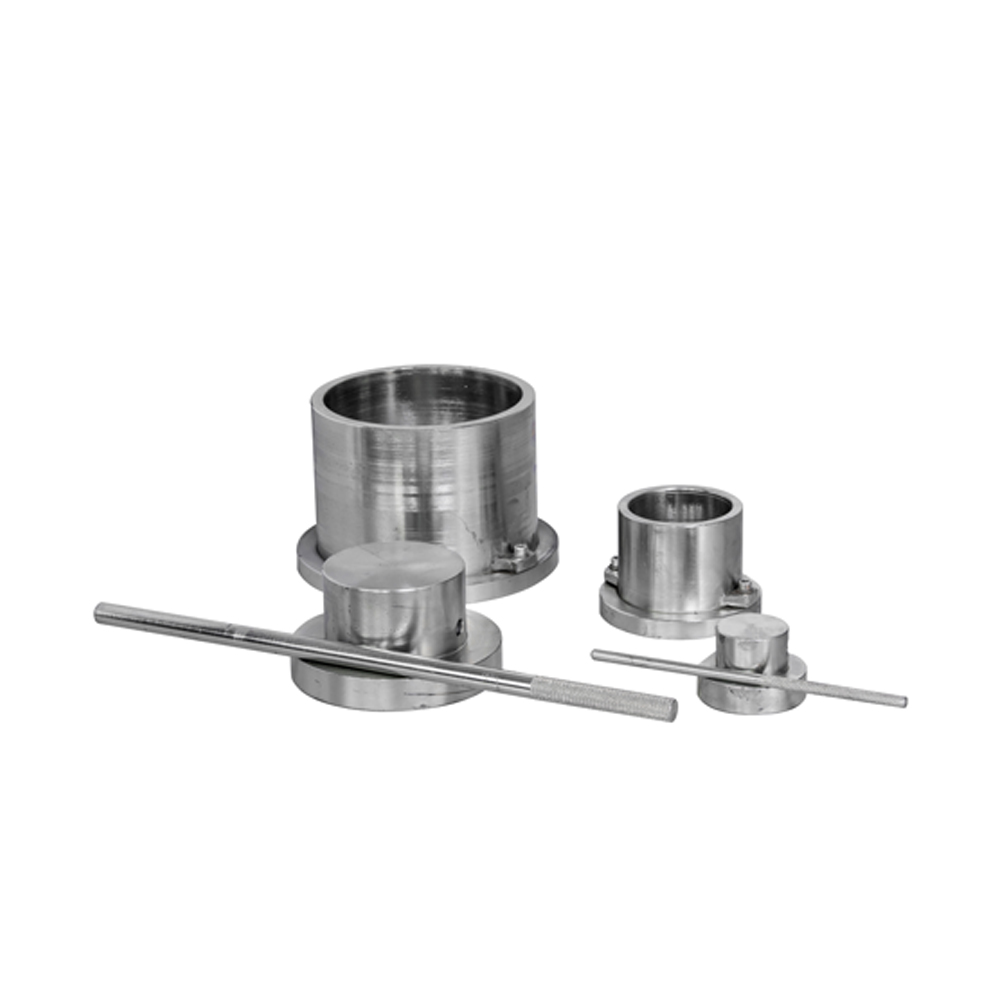
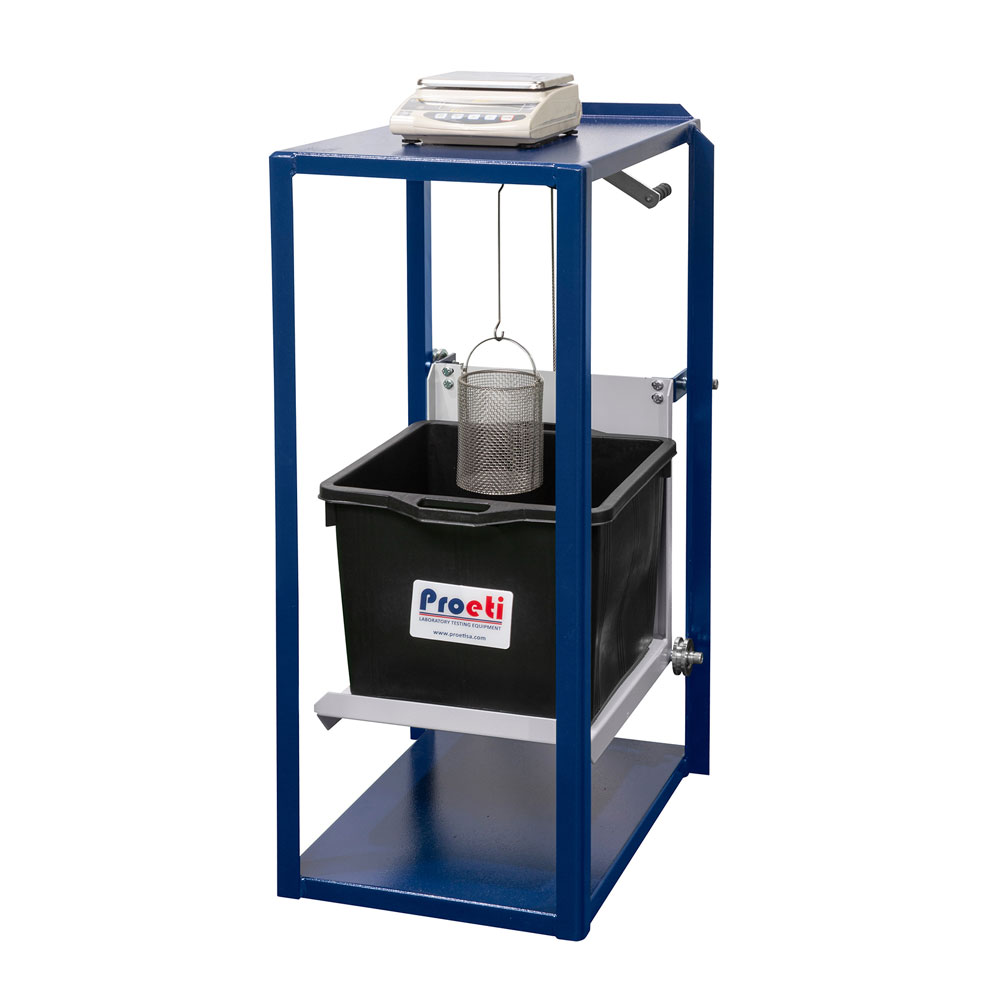
Been asked for the flakiness index, the methylene blue value or the density of a sand? Here you will find equipment for testing the geometrical properties of aggregates: shape, angularity, fines and density, to EN 933 and EN 1097, BS 812 and ASTM. If you are unsure which of two standards applies, ask us.
| Test | Standard | Equipment |
|---|---|---|
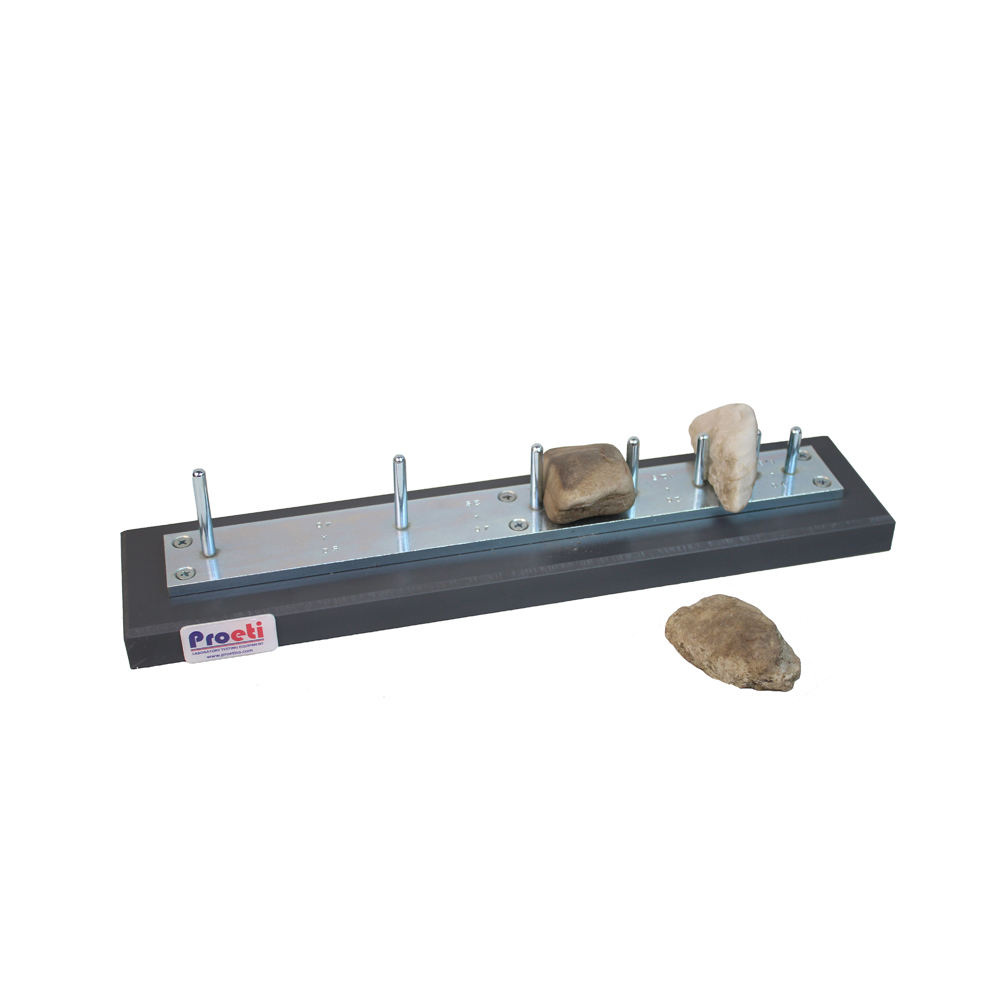
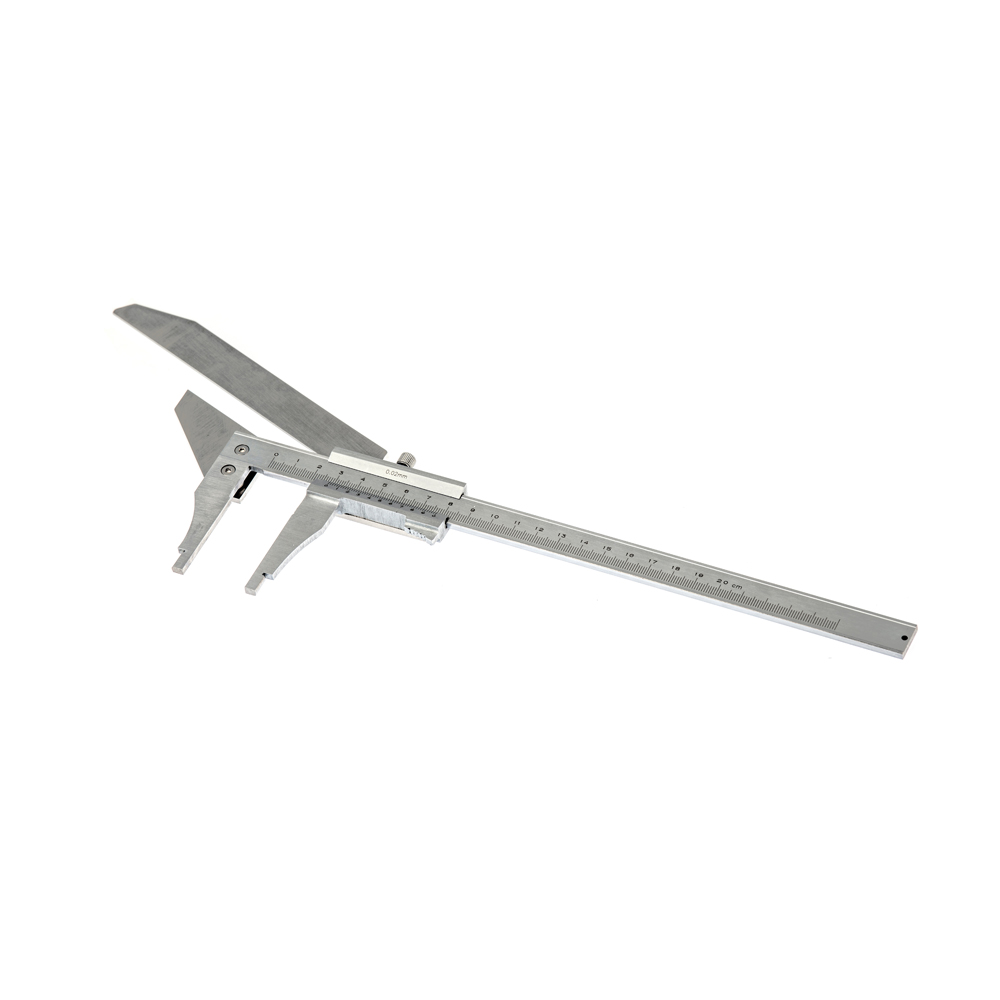
| Shape index | EN 933-4 | Gauge or vernier calliper |
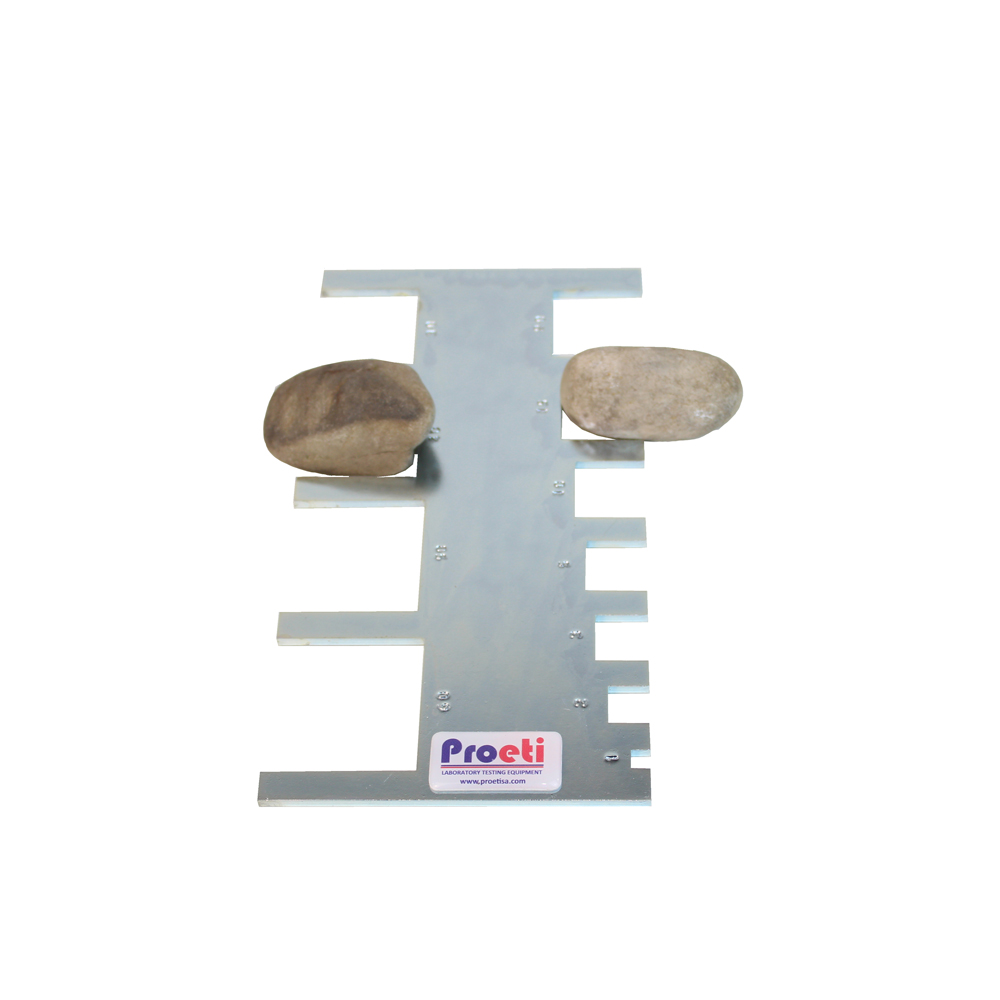
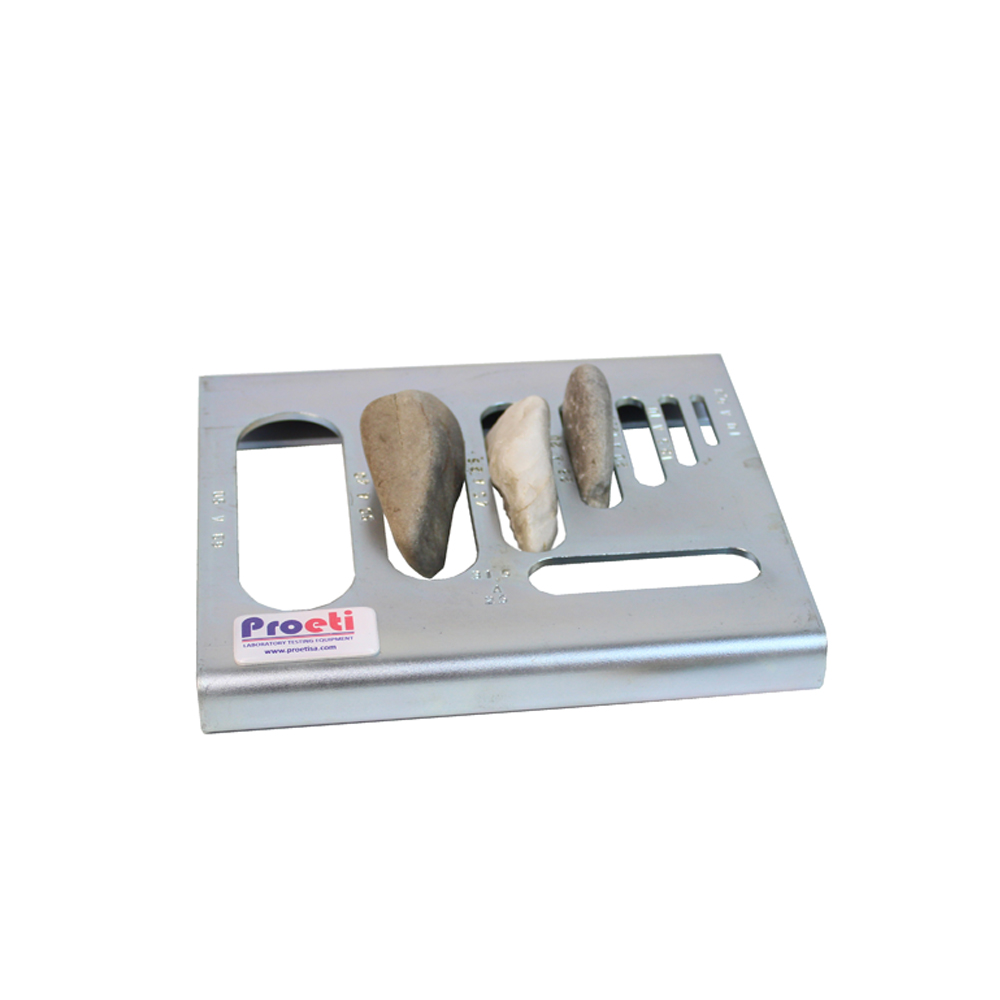
| Flakiness and elongation index | BS 812-105.1 | Flakiness gauge and elongation gauge |
| Flat and elongated particles | ASTM D4791 | Proportional calliper |
| Angularity of fine aggregate | EN 933-6; ASTM C1252 | Flow coefficient apparatus; void content of fine aggregate |
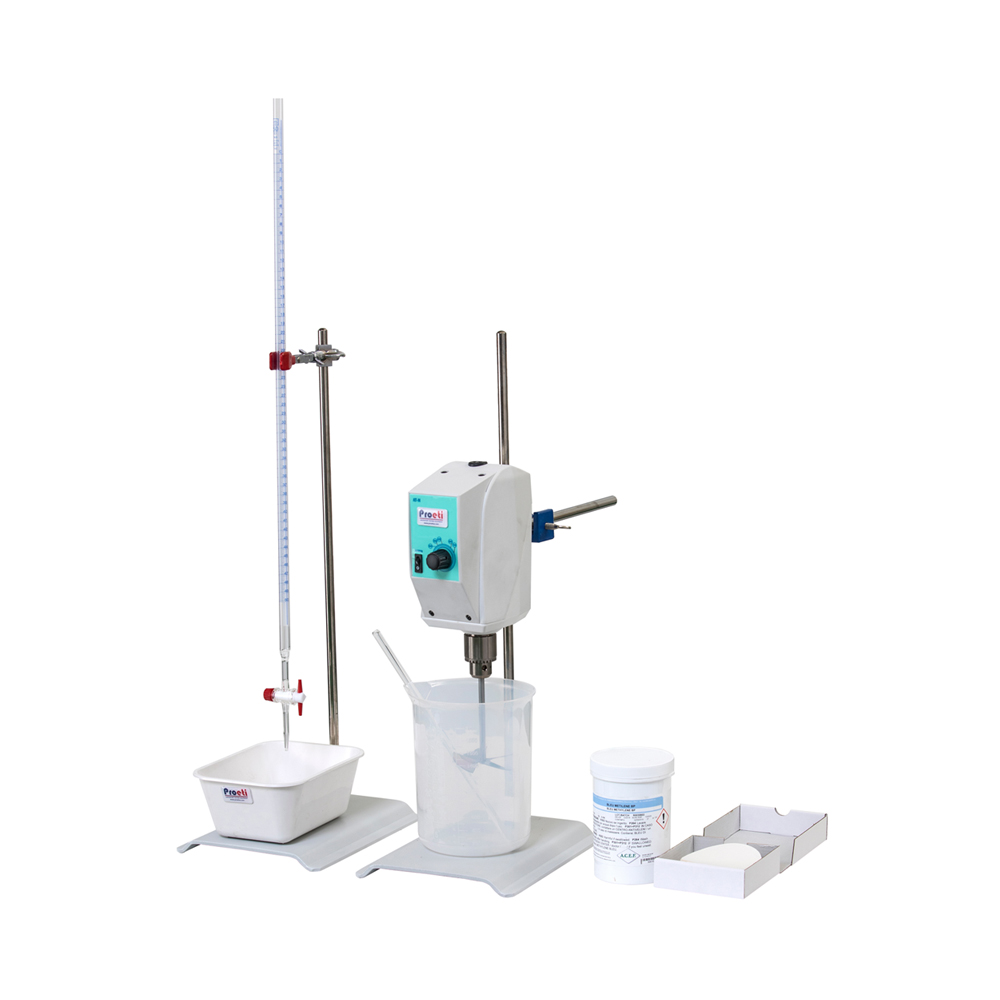
| Clay in the fines | EN 933-9 | Methylene blue test set |
| Grading of the fines | By sedimentation | Andreasen pipette with stand |
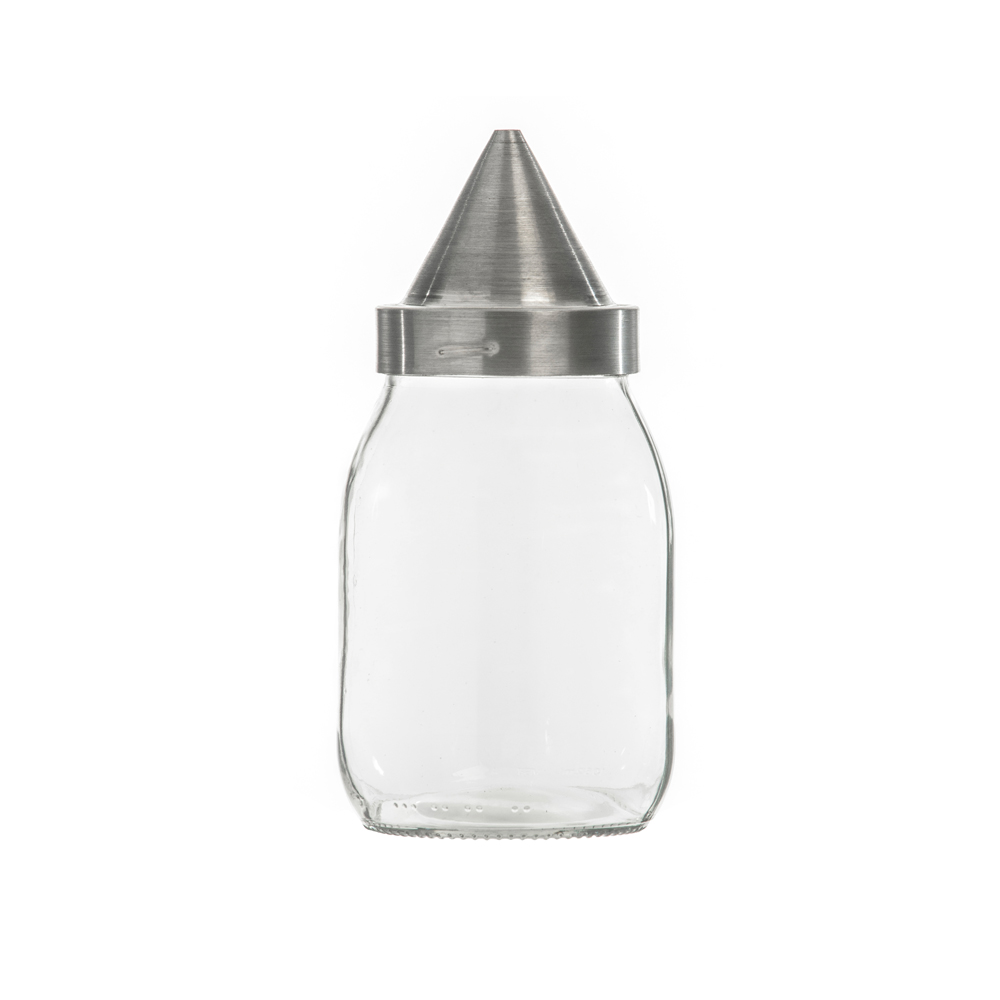
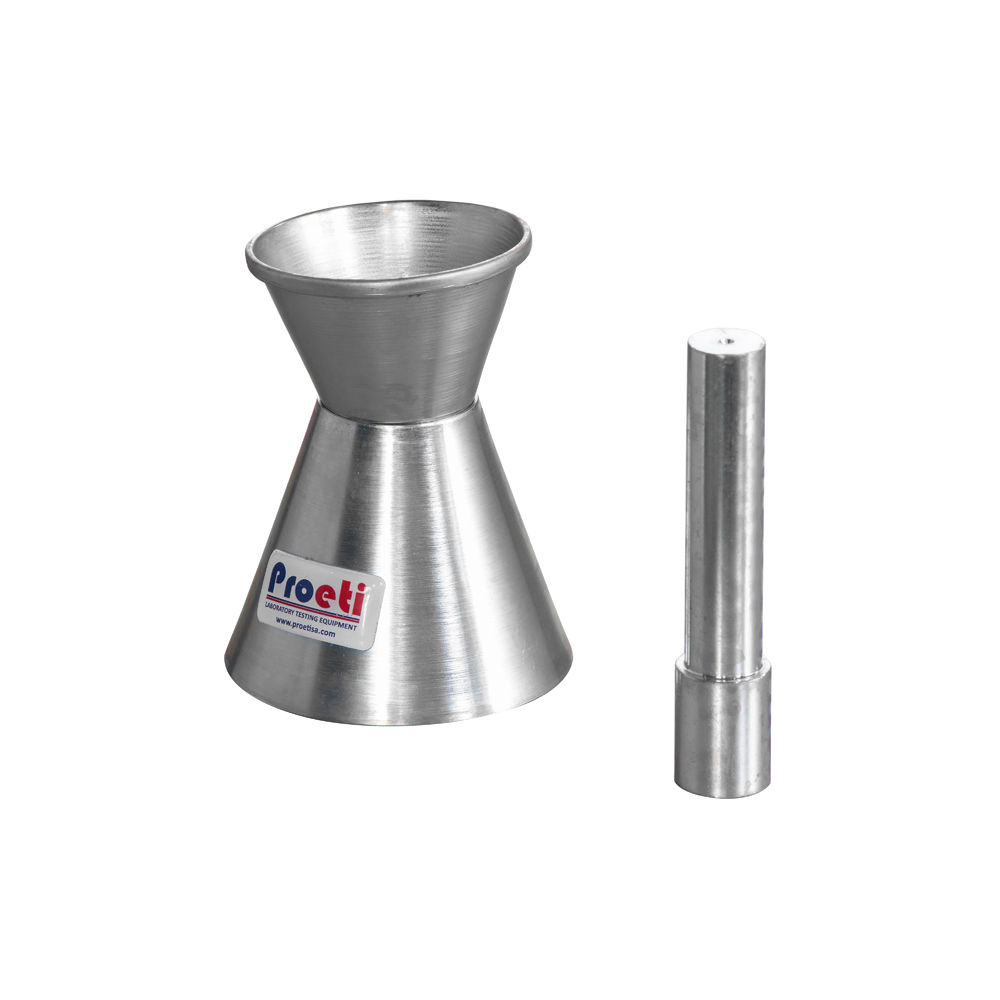
| Particle density and water absorption | EN 1097-6 | Cone pycnometer, sand absorption cone and tamper and hydrostatic weighing frame |
| Voids of filler | EN 1097-4 | Voids determination apparatus |
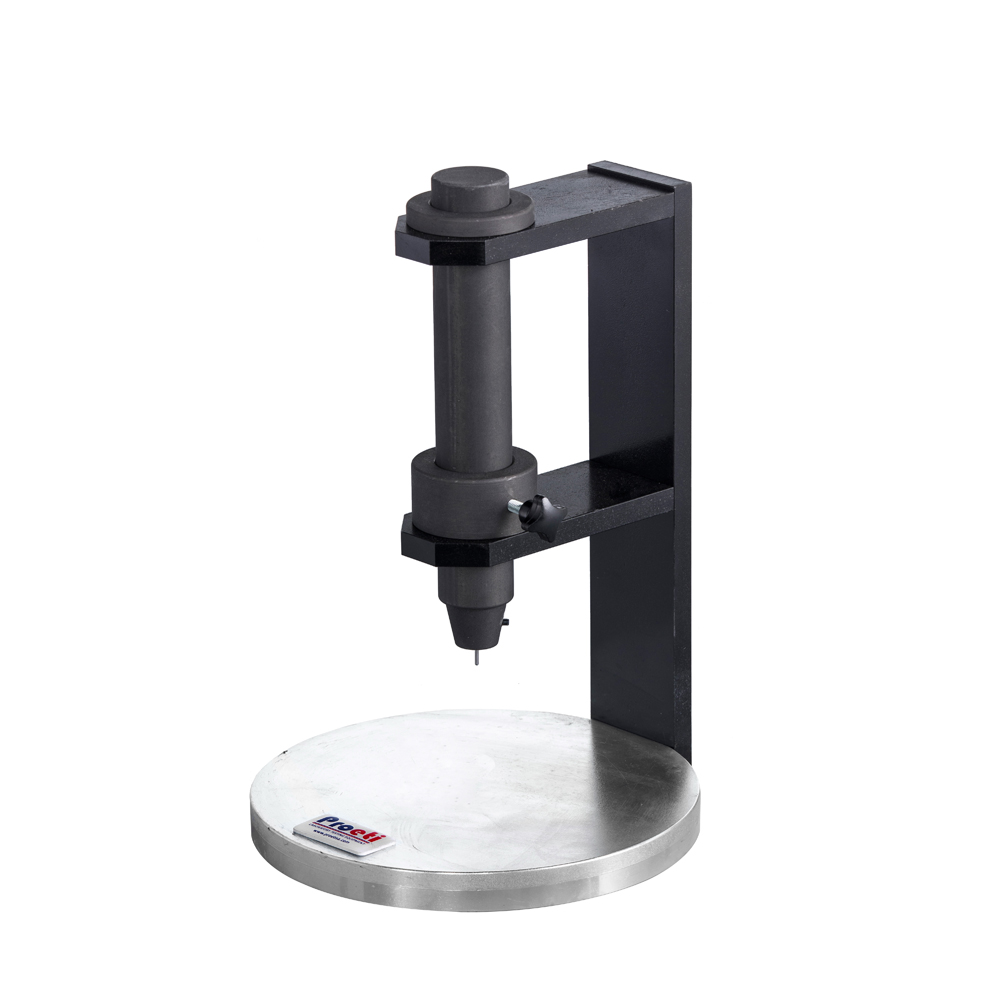
| Particle strength | BS 812-110; EN 13055-1; ASTM C235 | Aggregate crushing value; crushing resistance of lightweight aggregates; scratch hardness tester for soft particles |
Most of these tests also need a balance, an oven and sieves. If you do not have them, add them to the same request: the sieves are in sample sieving.
To get a price, click Budget on each product page and send one request with everything you need. If you would rather talk to us, write to us or call +34 916 28 29 40.
Its size, shape and cleanliness: grading, flakiness index and shape index, percentage of crushed surfaces, and the amount and type of fines. They are tested with the EN 933 series, and many specifications add particle density and water absorption from EN 1097-6.
Flat (flaky) and elongated particles break easily, compact less well and leave more voids. In concrete they call for more water and cement for the same strength, and in a road they weaken the layer. That is why specifications limit the flakiness index.
Everything that passes the 0.063 mm sieve. A little dust from the rock itself does no harm, but clay absorbs water and weakens the bond with cement and bitumen. The fines content is measured in the grading test; whether they are clayey is checked with the sand equivalent or the methylene blue test.
Density is needed to batch concrete by volume, and absorption to correct the mixing water: a highly absorbent aggregate soaks up part of the water. High absorption is also a warning sign of a porous aggregate, more vulnerable to frost.
Sieves, sieve shakers and the rest of the aggregate testing equipment are in aggregates and rocks.