The Le Chatelier flask gives you the density of a cement; the mould and bath of the same name, or the autoclave, check that it does not expand after setting. This section brings together the equipment for the cement density test and soundness, plus samplers, water retention apparatus and length comparators, to EN 196 and ASTM. Ask for a price for the set you need.
| Test | Equipment | Standard |
|---|---|---|
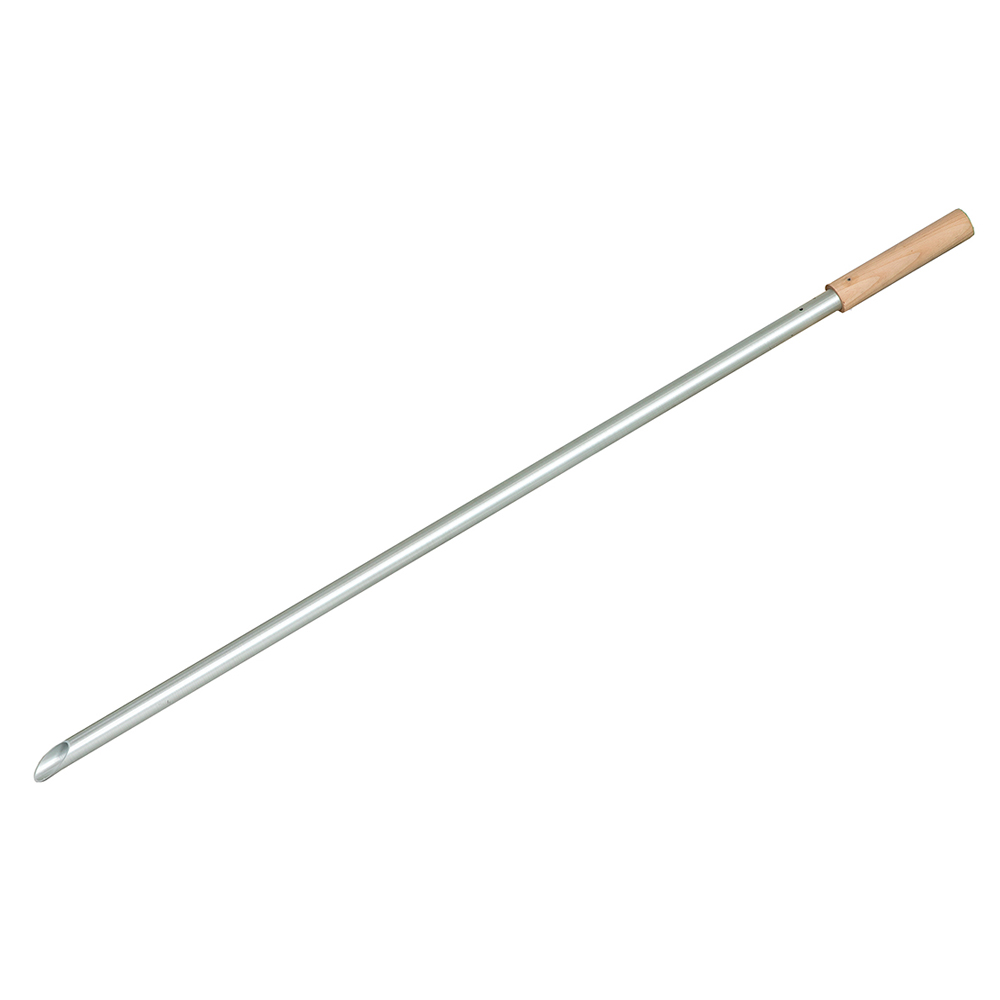
| Sampling | Bag sampler and bulk sampler, brass (3 l) | EN 196-7, ASTM C183 |
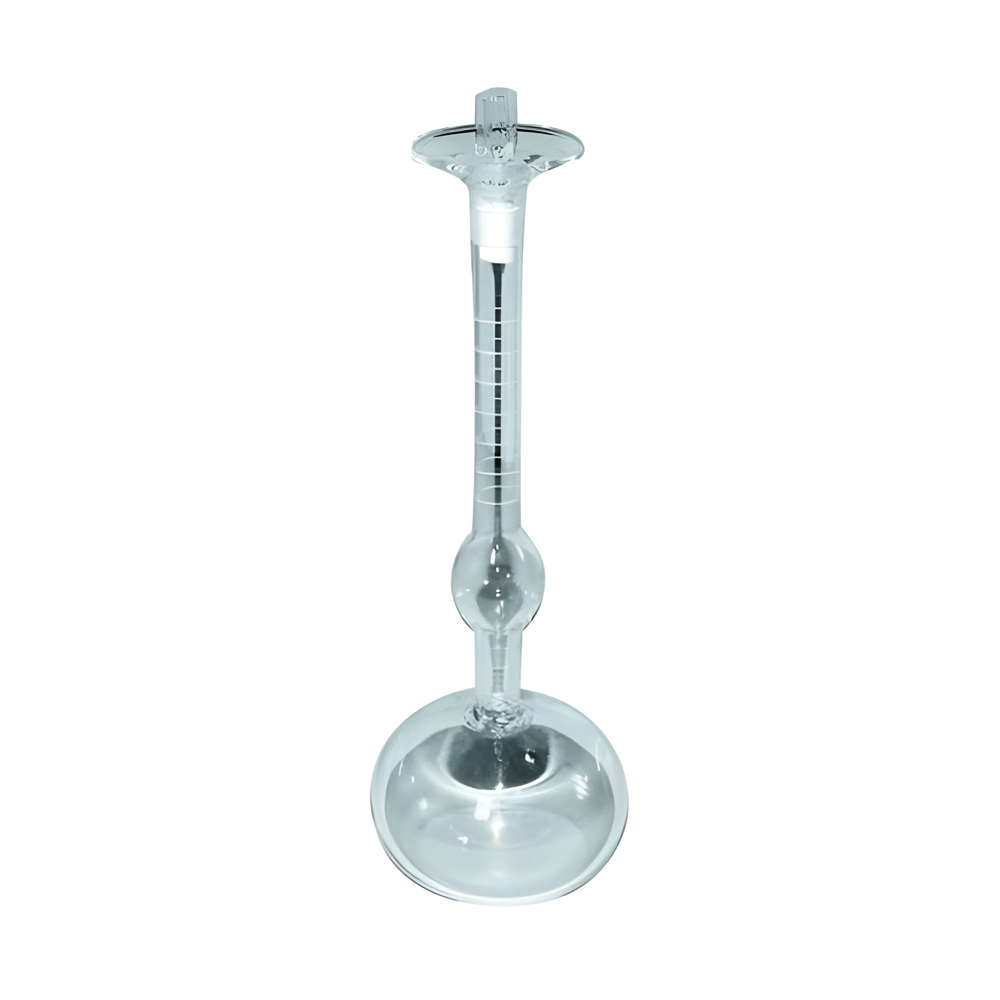
| Density | Le Chatelier flask, 250 ml, graduated to 0.1 ml | EN 196-6, ASTM C188 |
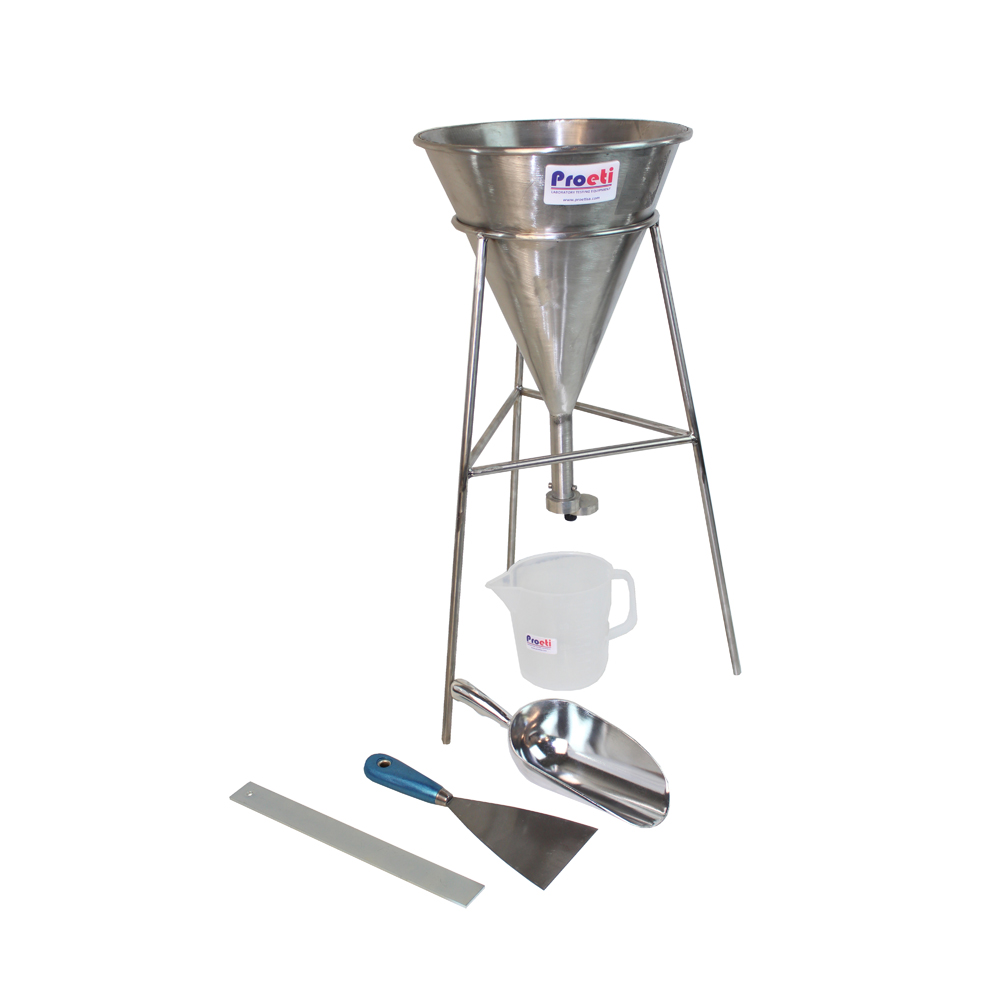
| Bulk density | Funnel with sieve and 1 l measure | — |
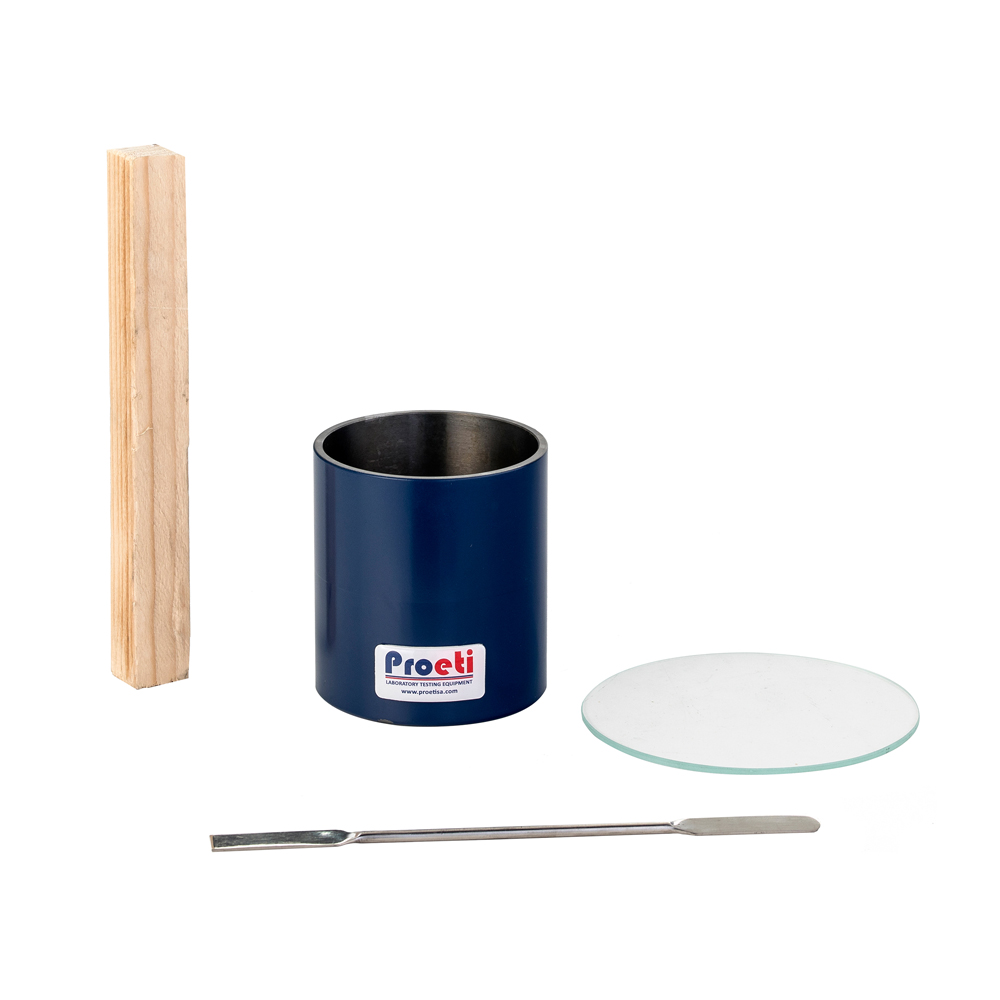
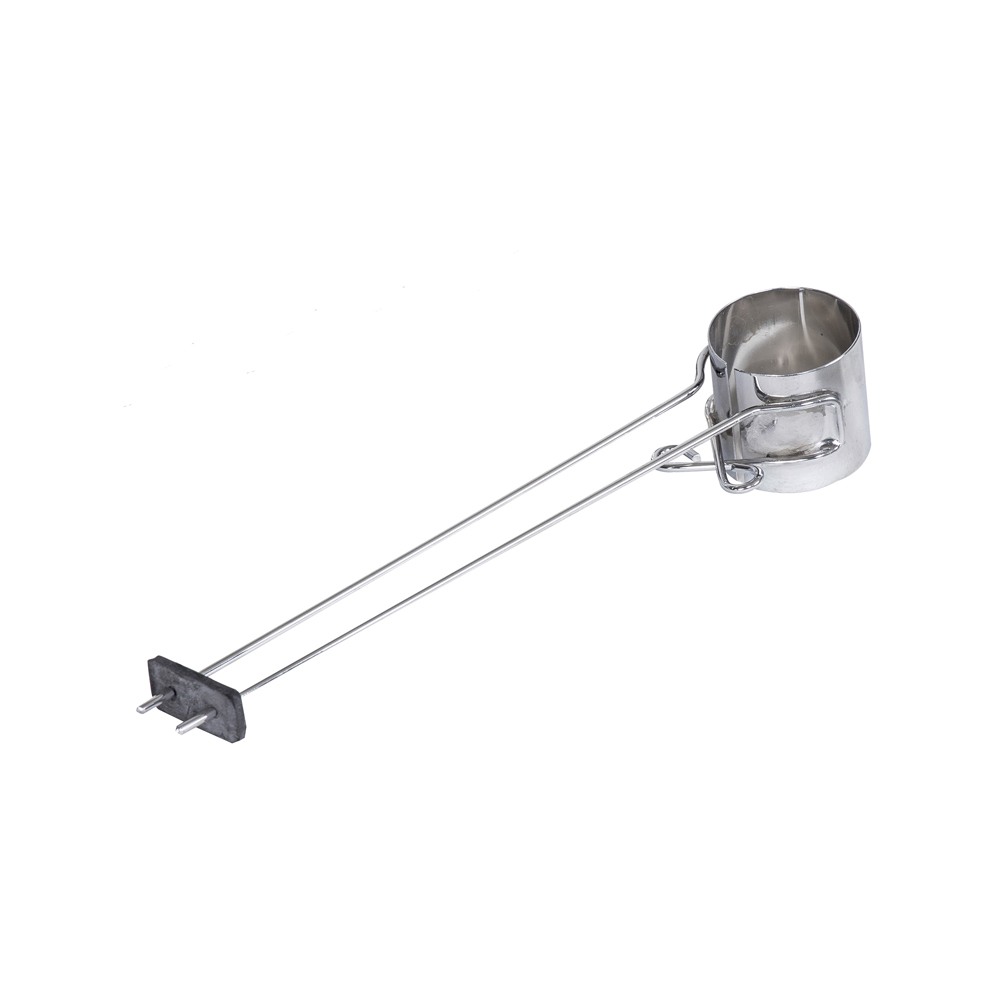
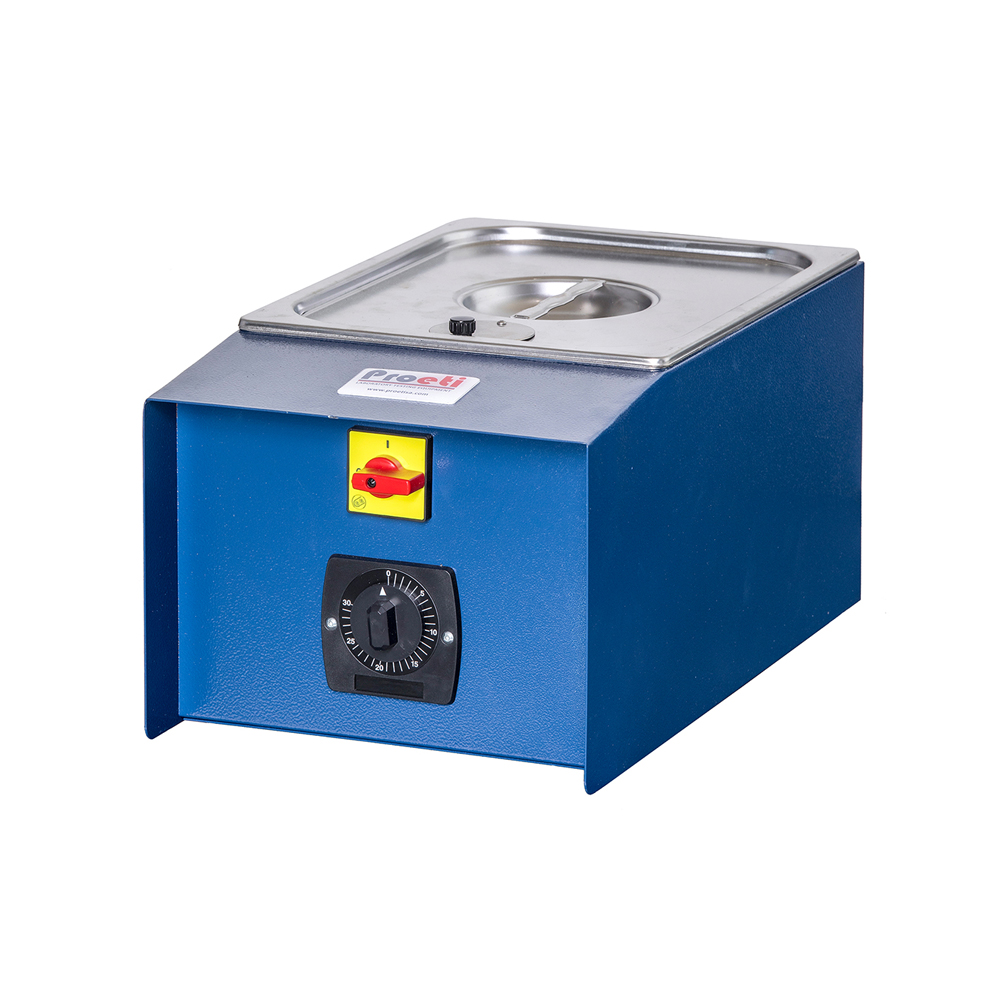
| Soundness | Le Chatelier mould and bath for 12 moulds | EN 196-3, EN 459-2 |
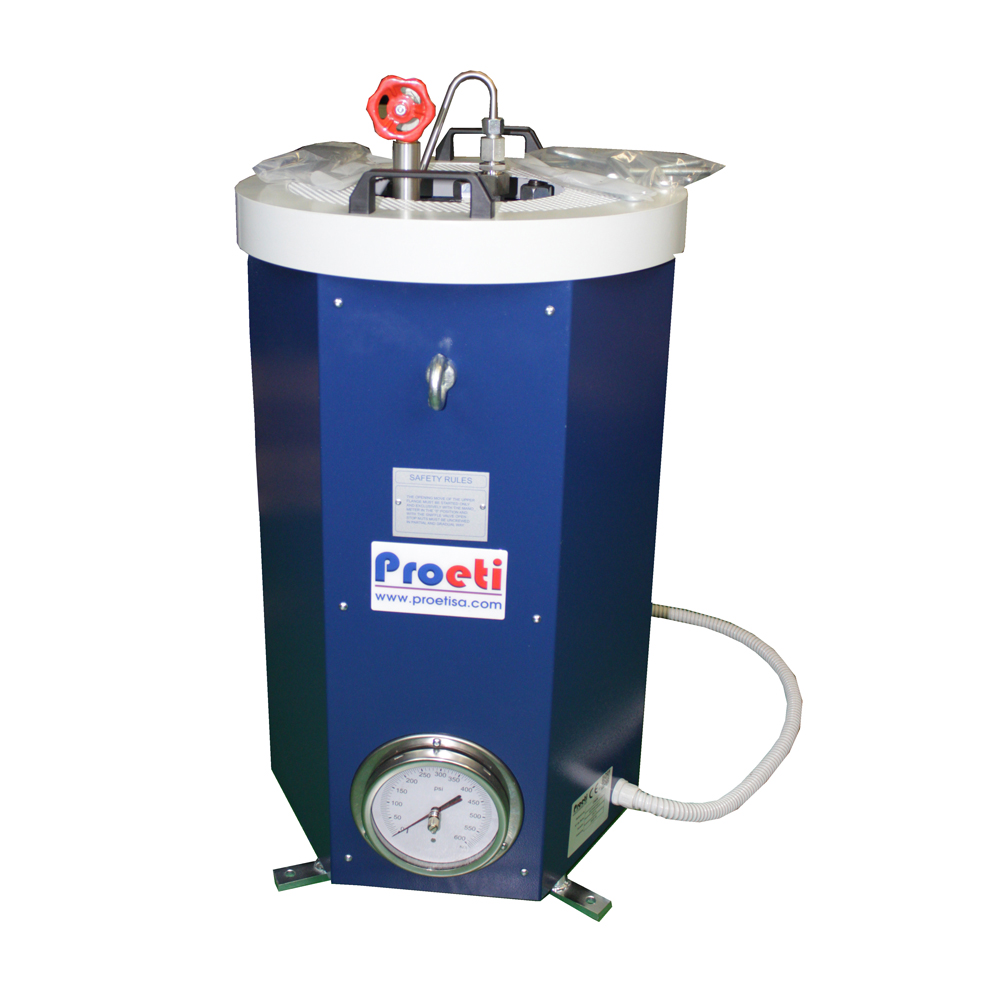
| Autoclave expansion | Autoclave for 10 specimens, up to 295 psi | ASTM C151 |
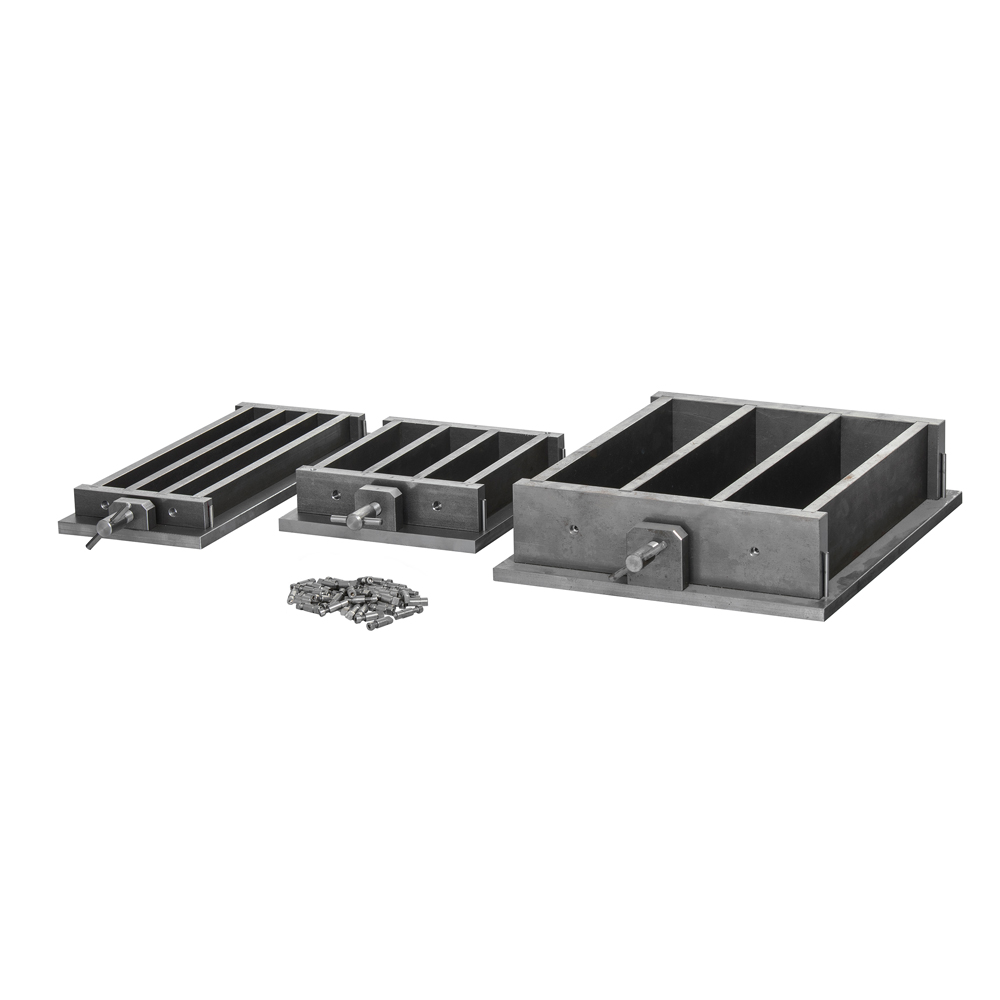
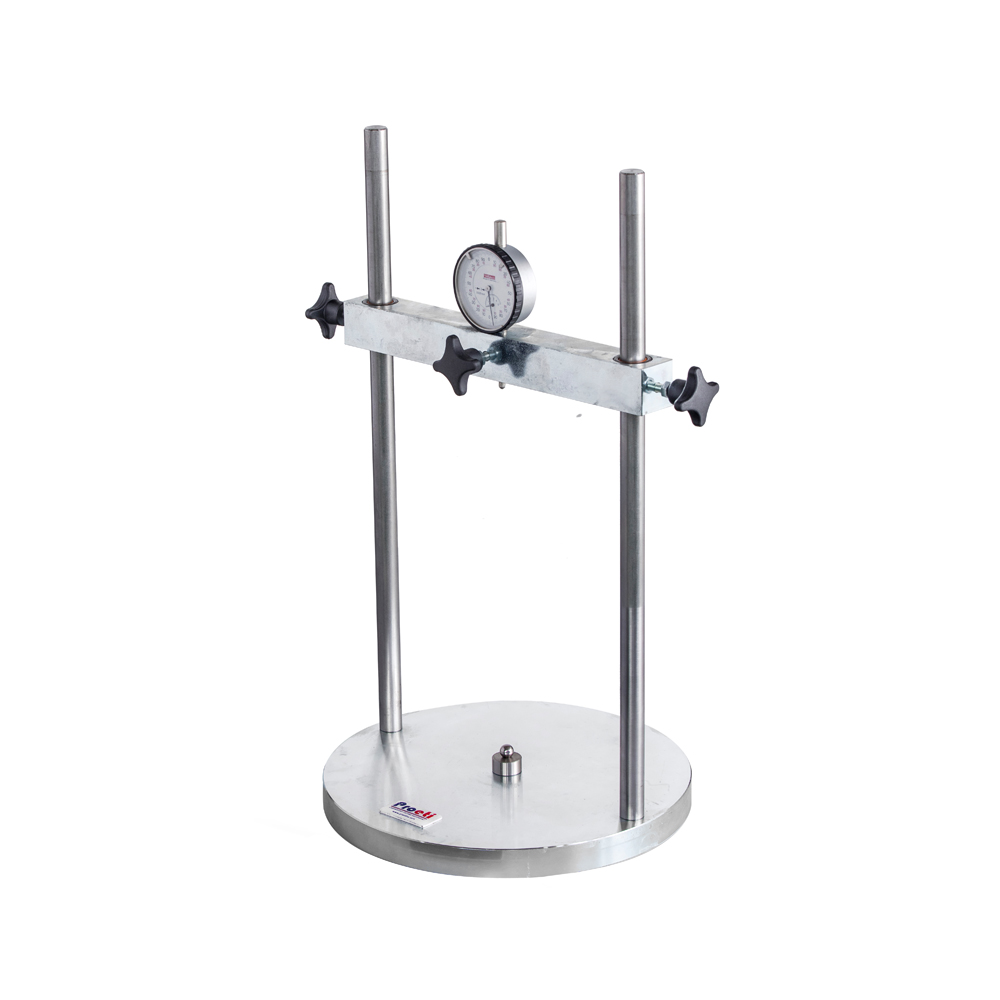
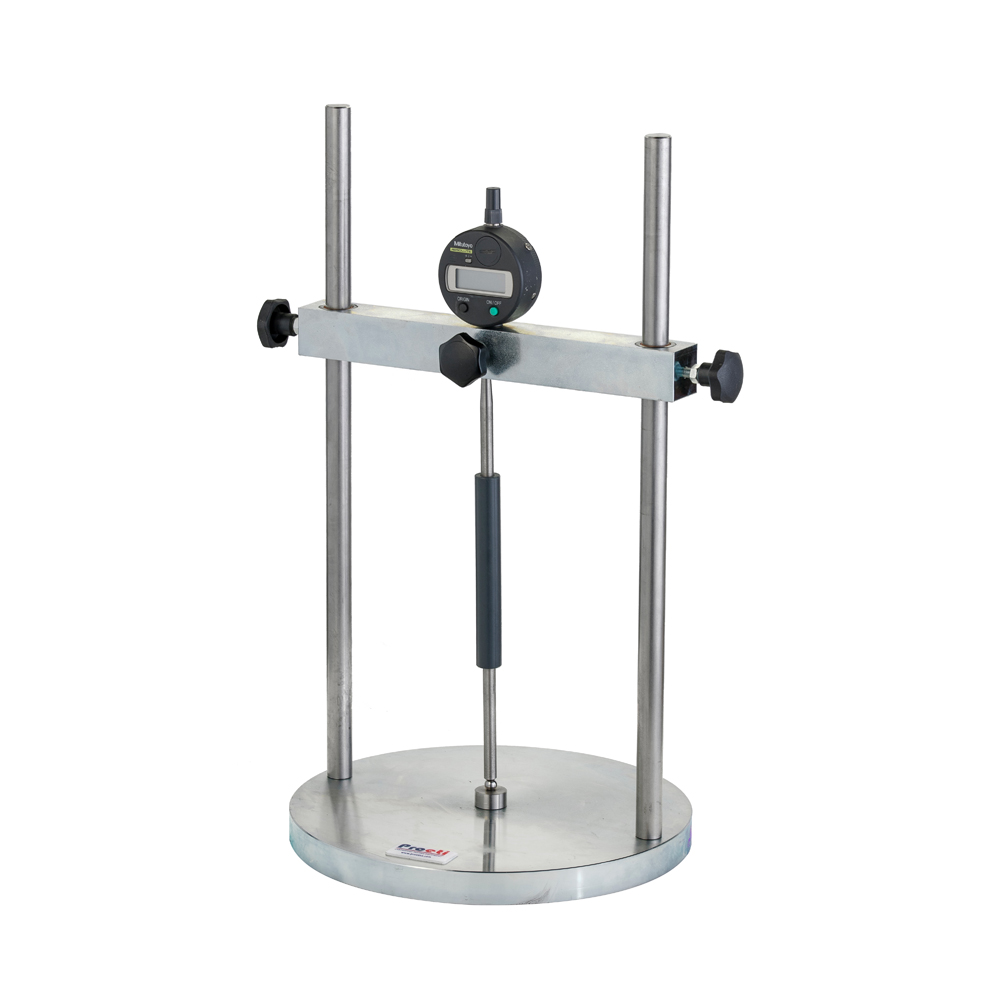
| Length change | Prismatic moulds and digital or analogue comparator, to 0.001 mm | ASTM C151, C490 |
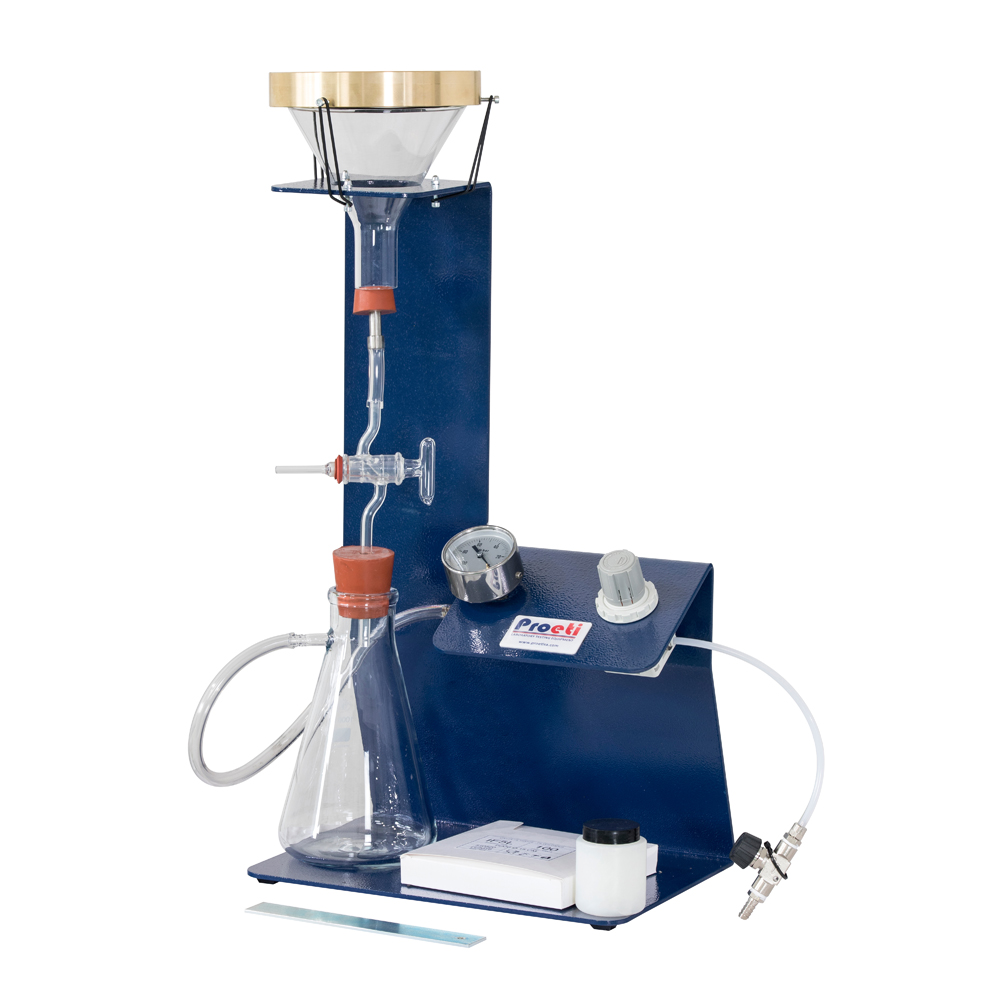
| Water retention | Water retention apparatus with vacuum pump | ASTM C91 |
| Air content of mortar | 400 ml container (density method) | ASTM C185 |
| Le Chatelier mould | Autoclave | |
|---|---|---|
| Standard | EN 196-3 (Europe) | ASTM C151 (Americas) |
| Specimen | Cement paste in a brass ring with two indicator needles | Cement paste bars |
| How it is accelerated | Boiled for 3 hours in the bath | High-pressure steam |
| What is measured | Separation between the needle tips, in mm | Change in length with the comparator, in % |
Both detect the same thing: free lime or uncombined magnesia that hydrate late and crack the material.
To get a price, click Budget on each product page and send one request with everything you need. If you would rather talk to us, write to us or call +34 916 28 29 40.
That it does not expand once hardened. If it contains too much free lime or magnesia, they hydrate late, increase in volume and crack the mortar or concrete months later. EN 197-1 limits Le Chatelier expansion to 10 mm.
To convert masses into volumes when proportioning mortars and concretes, and as an input for calculating Blaine fineness. For Portland cements it is around 3.1 g/cm³, and lower in those containing fly ash, pozzolana or limestone.
How finely it is ground. The finer it is, the sooner it reacts with water and the more strength it gains in the first few days. It is measured as Blaine specific surface, by air permeability, or as the residue on a sieve (EN 196-6).
Loss on ignition, insoluble residue, sulfate content and chloride content, to EN 196-2. EN 197-1 sets a maximum for each, because excess sulfates cause expansion and chlorides corrode the reinforcement.
The other property checked when a cement is delivered, setting time, is measured in setting and consistency.