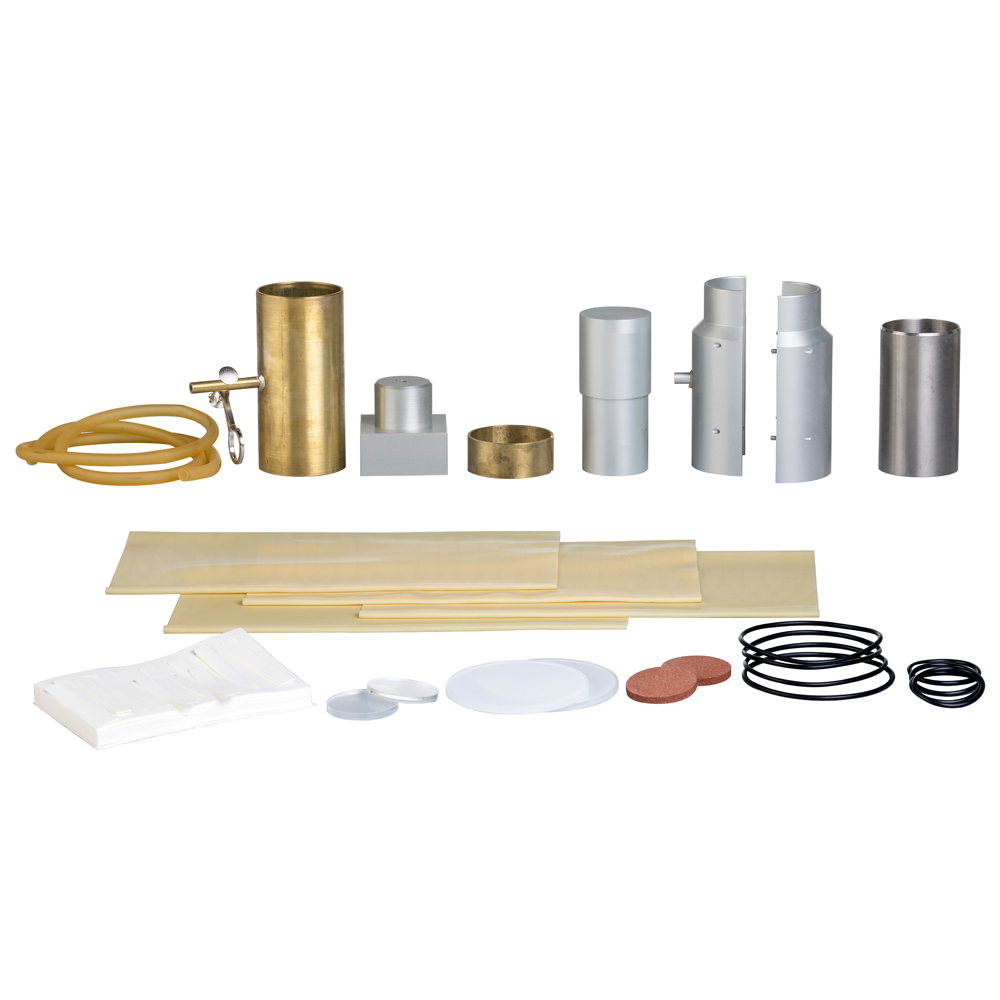
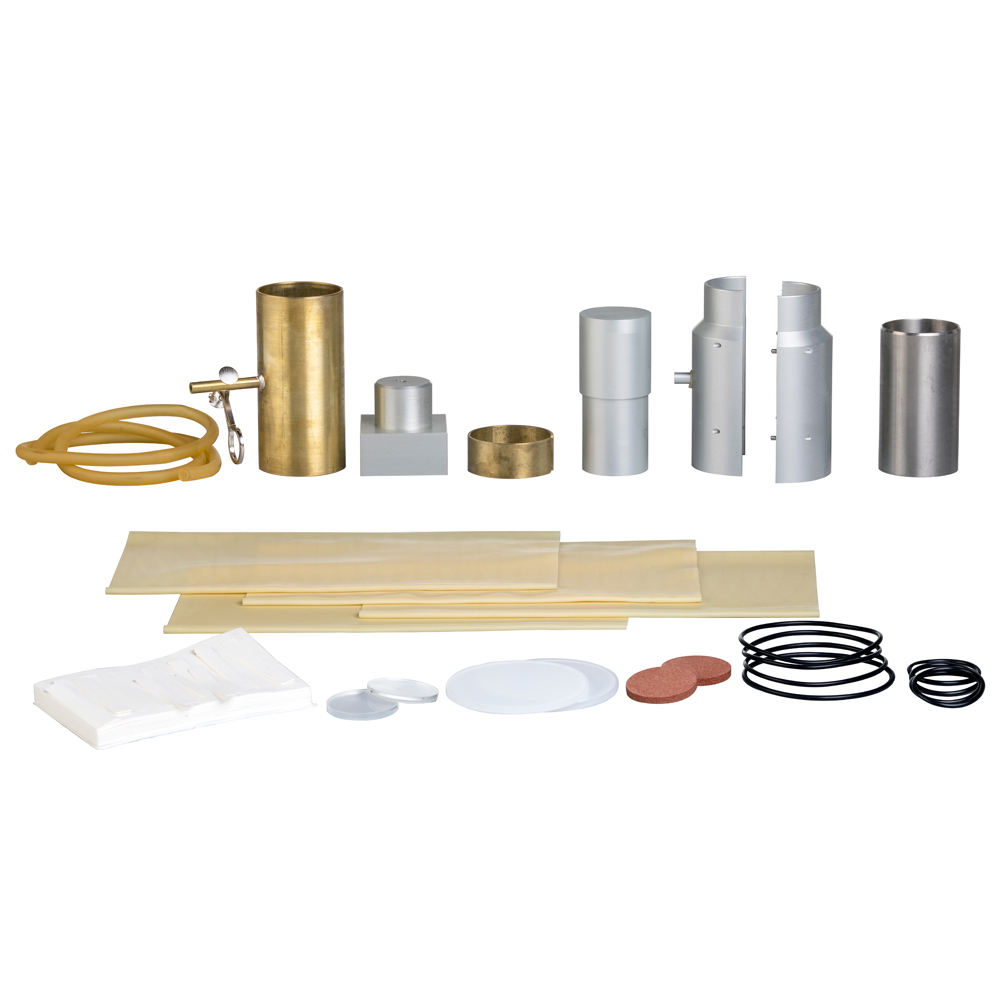
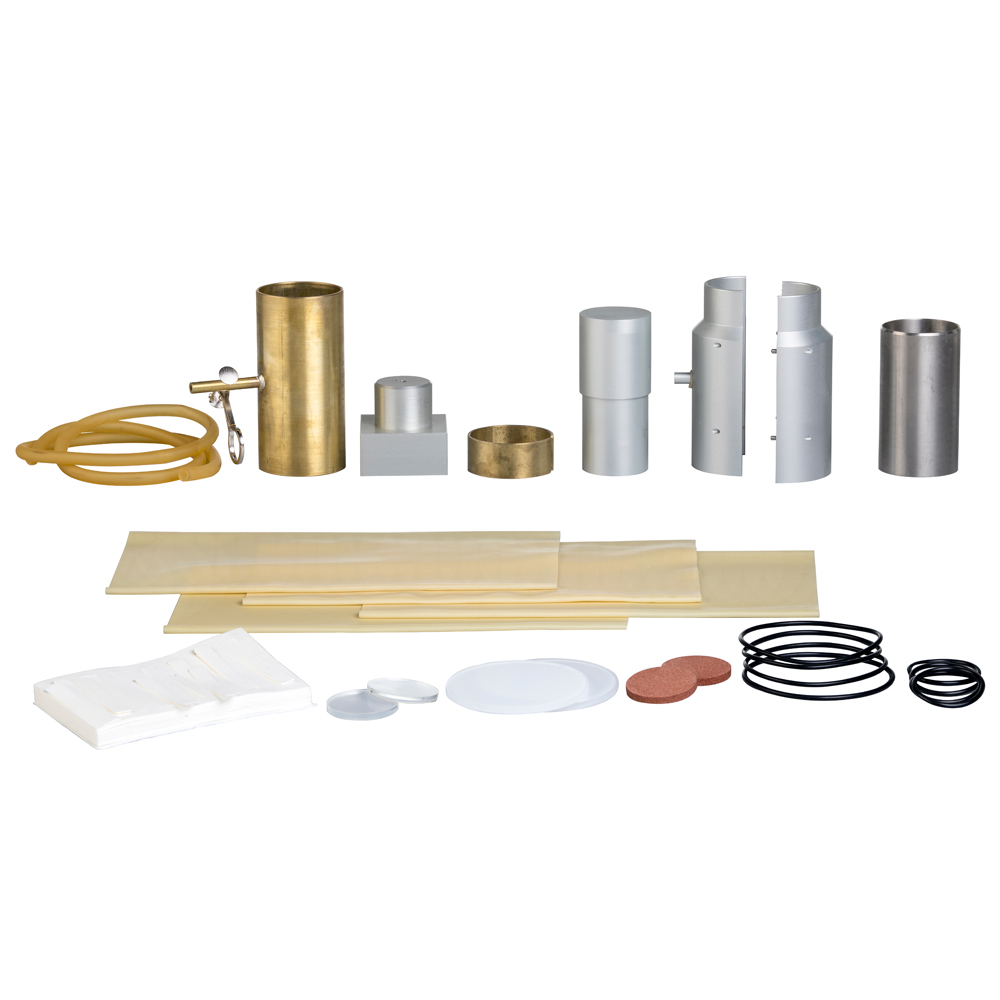
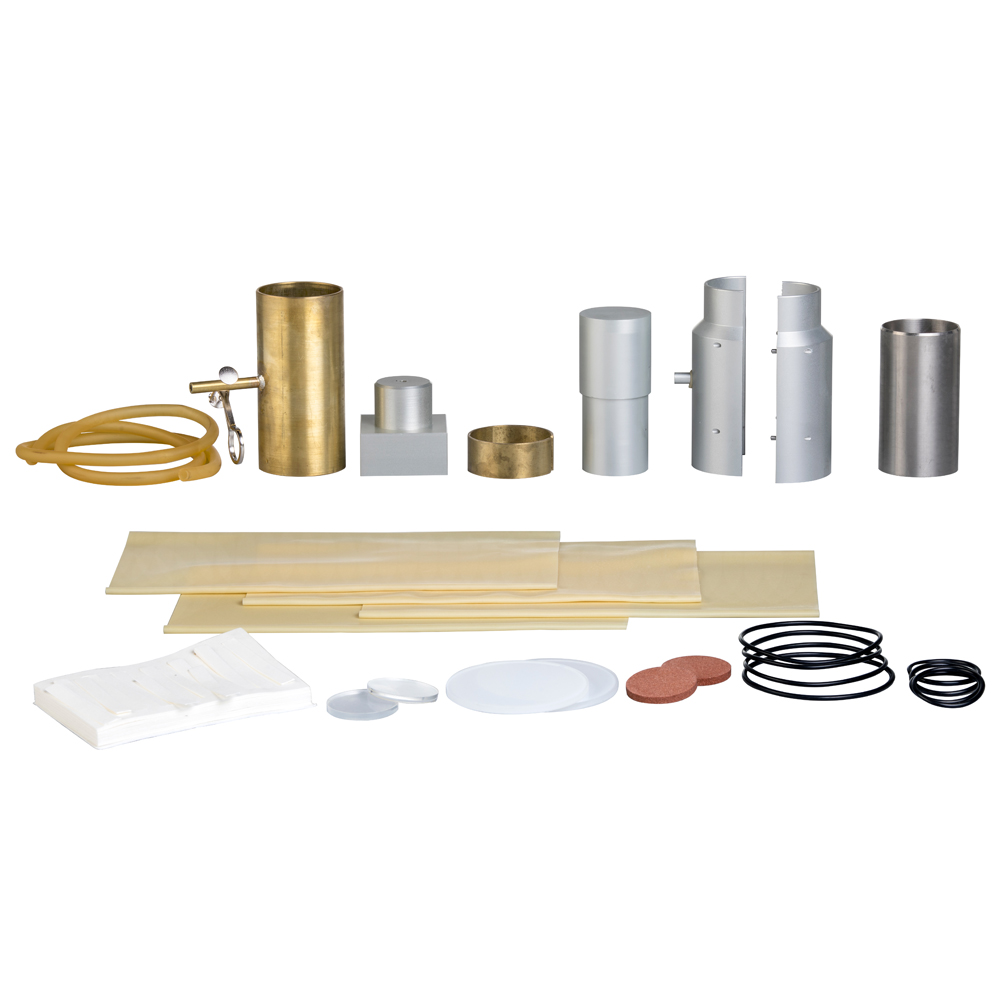
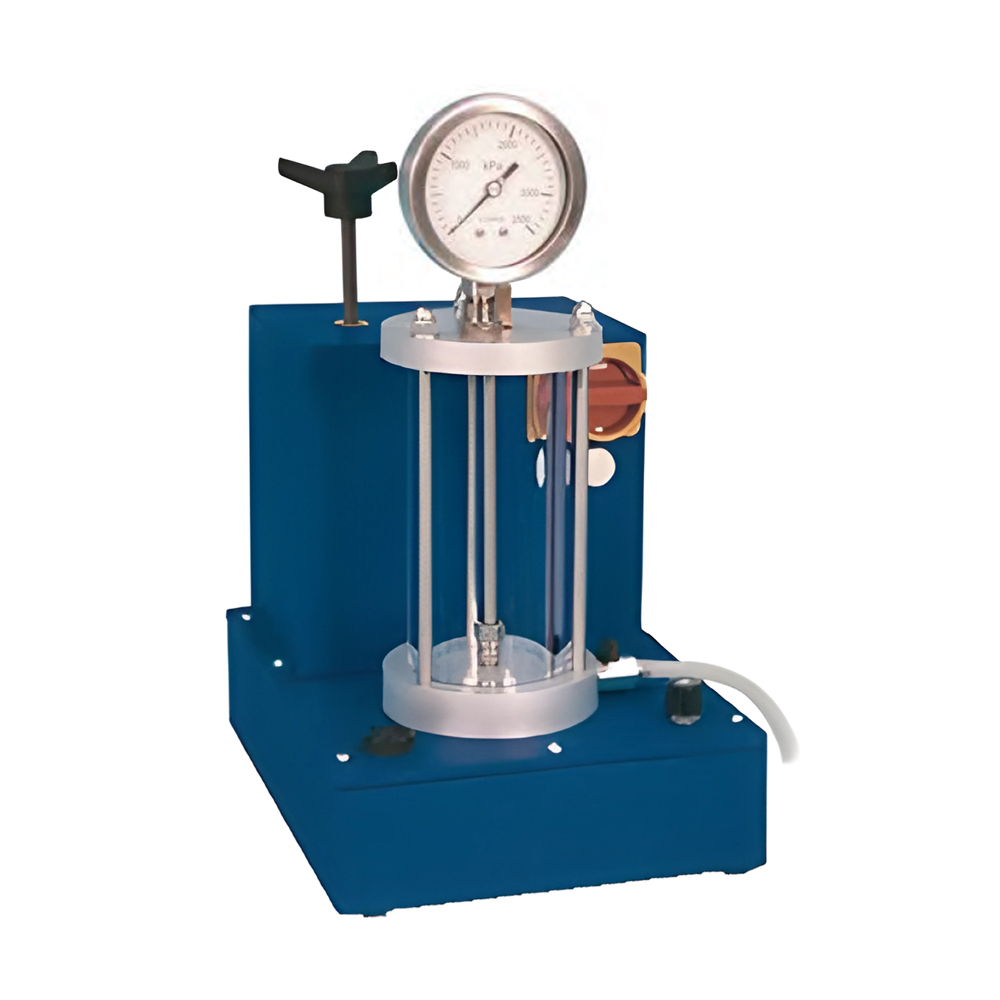
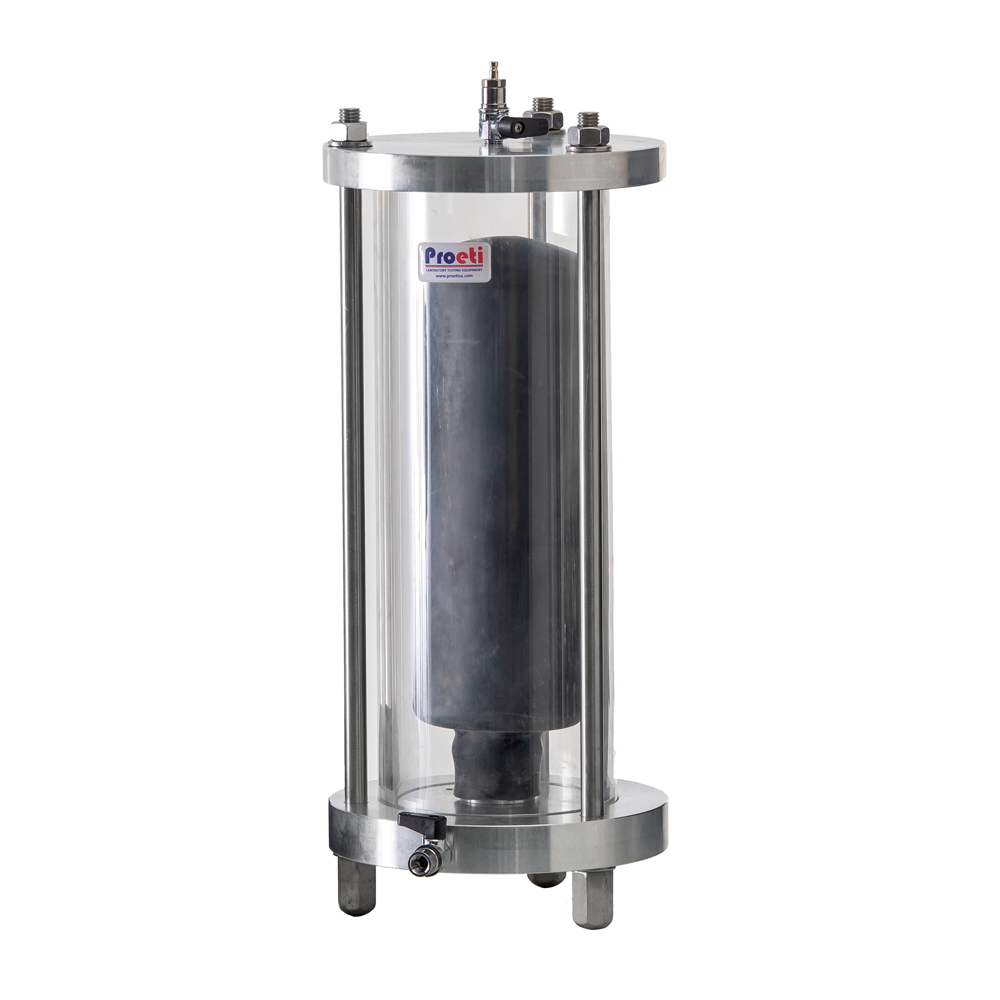
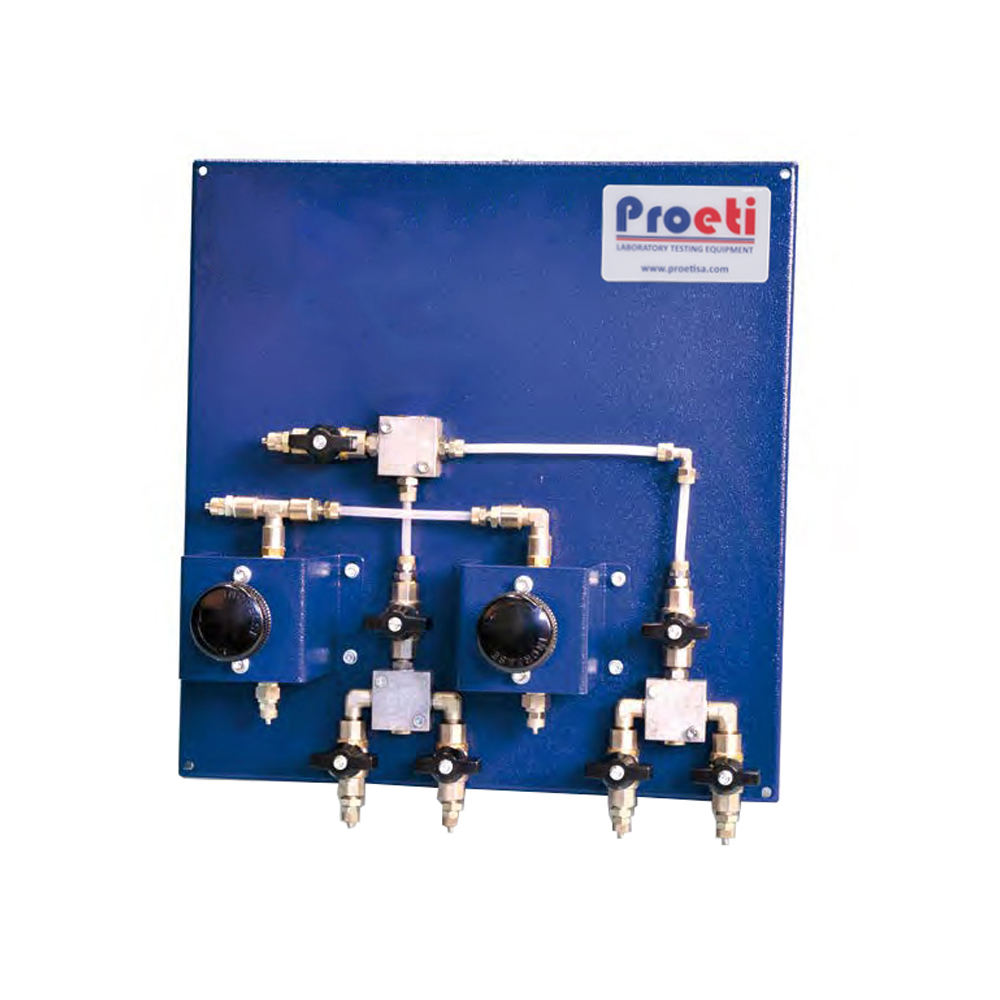
An oedometer for consolidation, a triaxial cell for shear strength, and everything the cell needs around it: pressure, volume change, de-airing and accessories for 38 to 150 mm specimens. This is soil mechanics equipment for geotechnical laboratories working to EN ISO 17892, ASTM and BS 1377. Tell us which triaxial tests you run and we will configure the system for you.
| Test or function | Equipment | Standard |
|---|---|---|
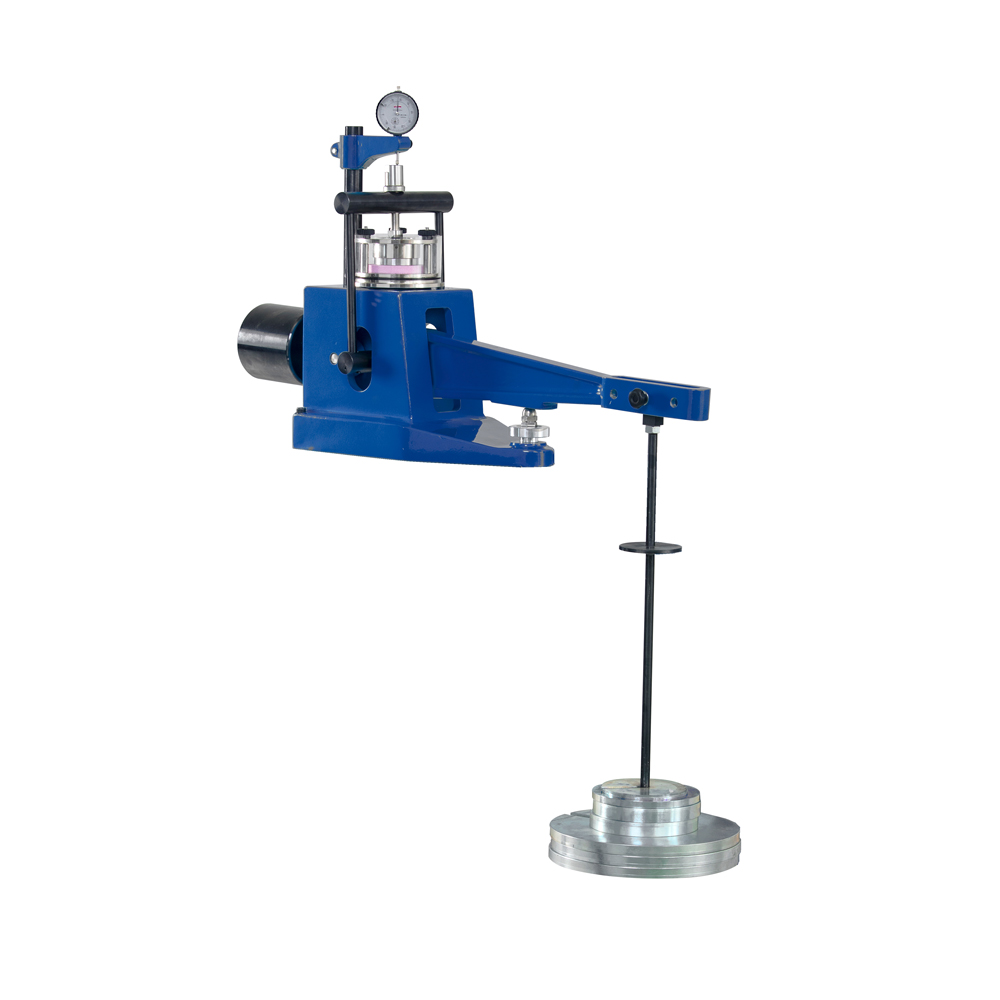
| Consolidation | Front-loading oedometer with incremental loading | EN ISO 17892-5, BS 1377-5 |
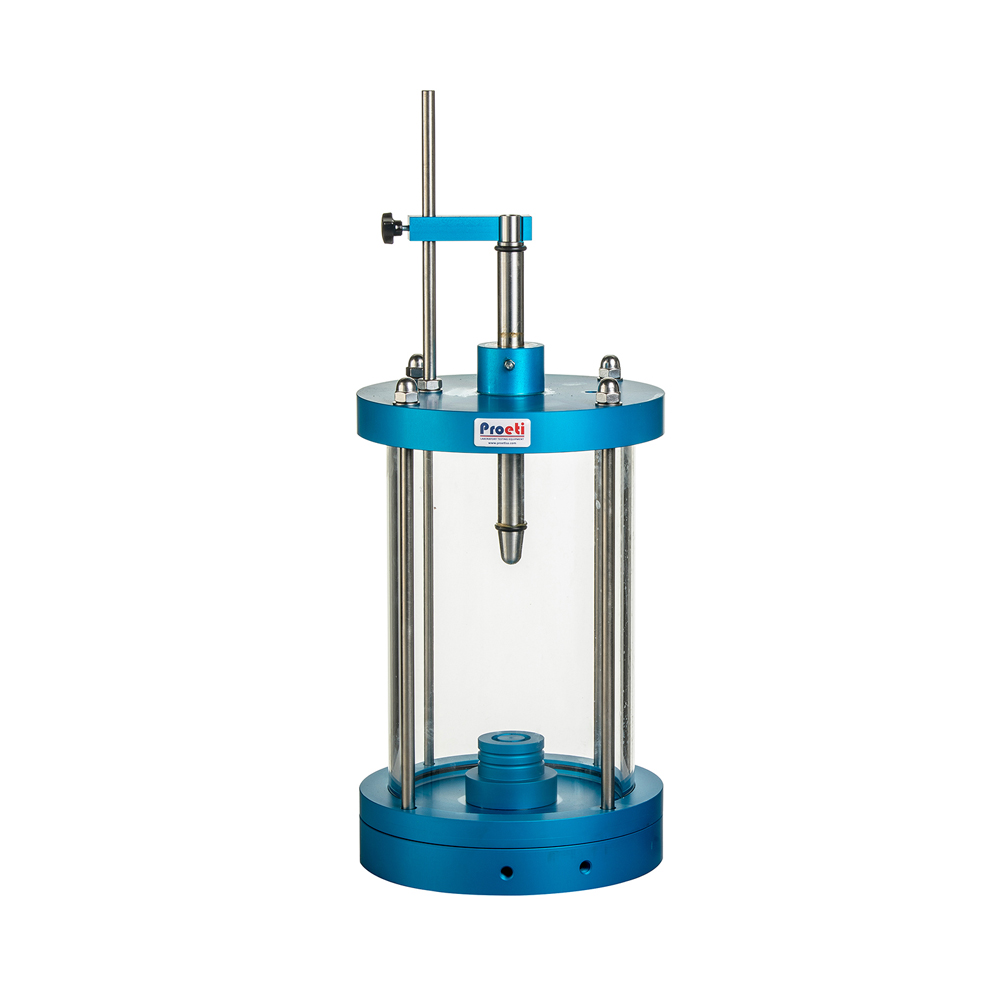
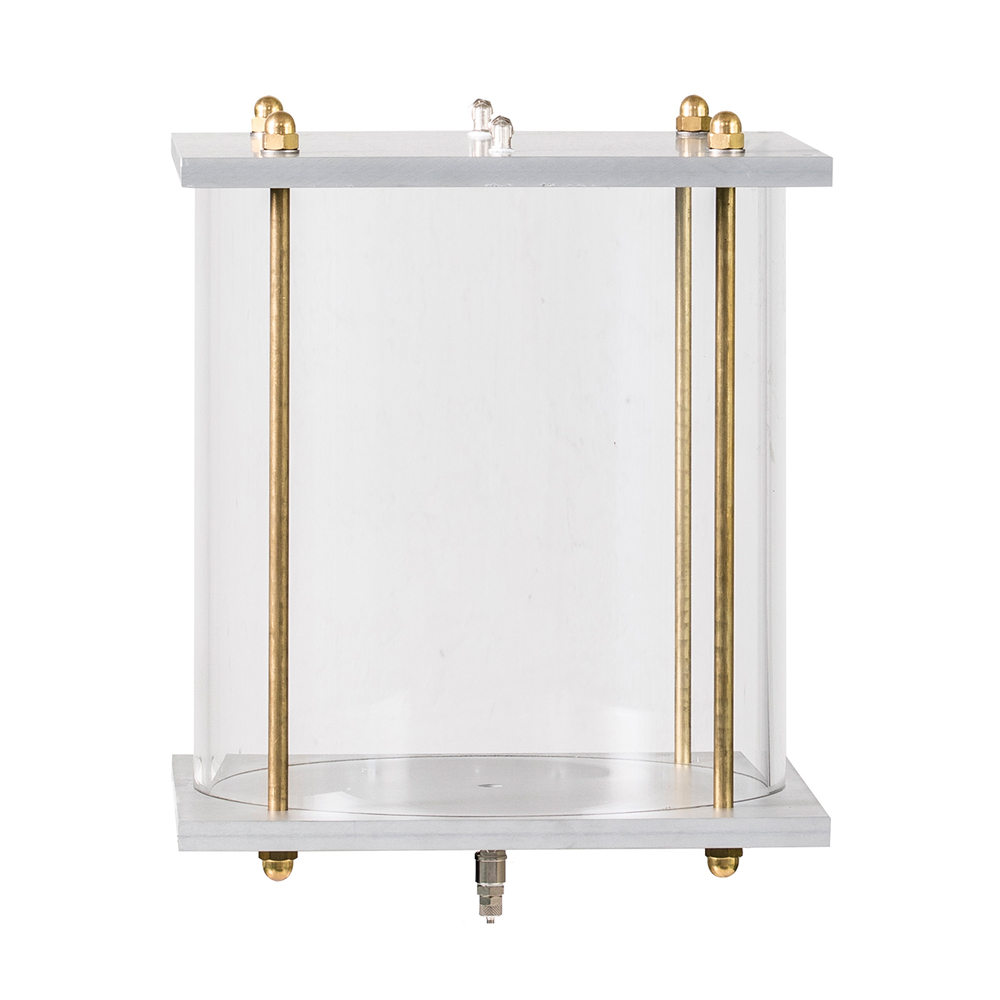
| Triaxial test | Aluminium triaxial cell, 1,700 kPa | EN ISO 17892-8 and -9, BS 1377-8 |
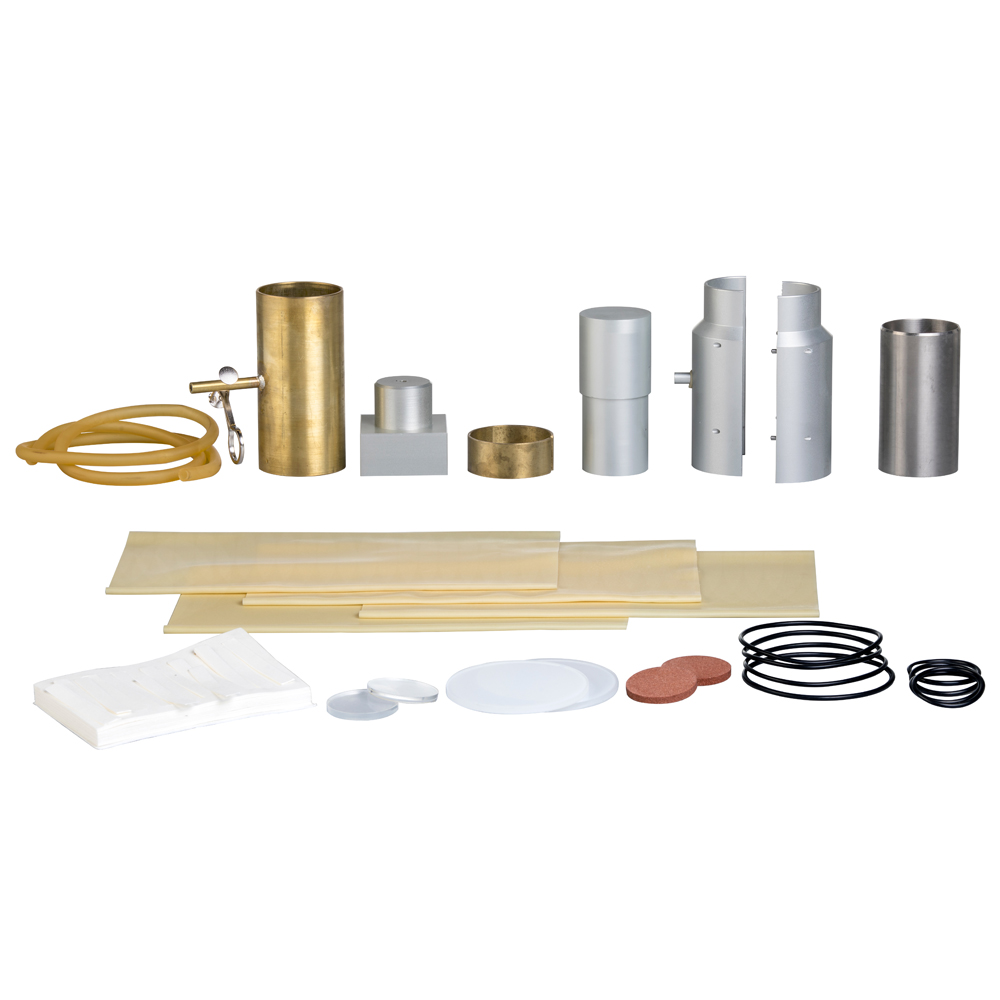
| Specimens | Accessories for Ø38, 50, 70, 100 and 150 mm (top caps, membranes, moulds) | — |
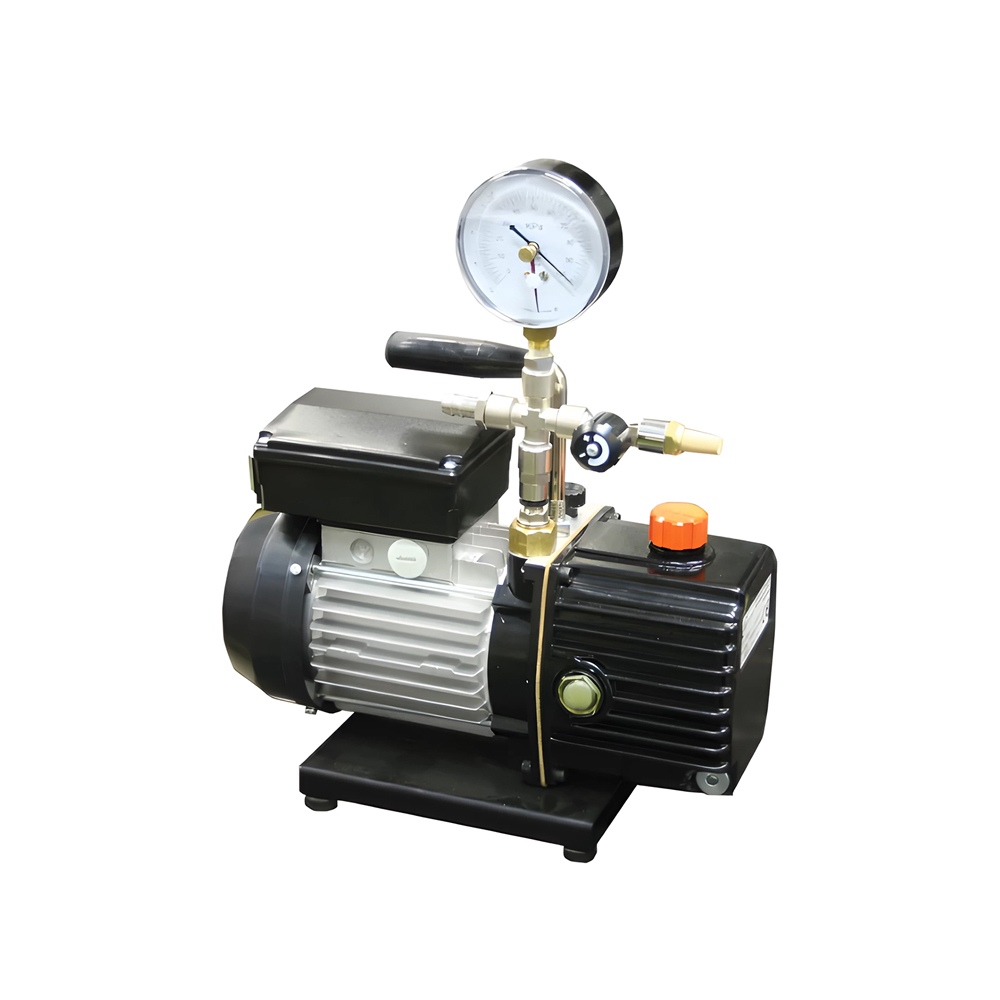
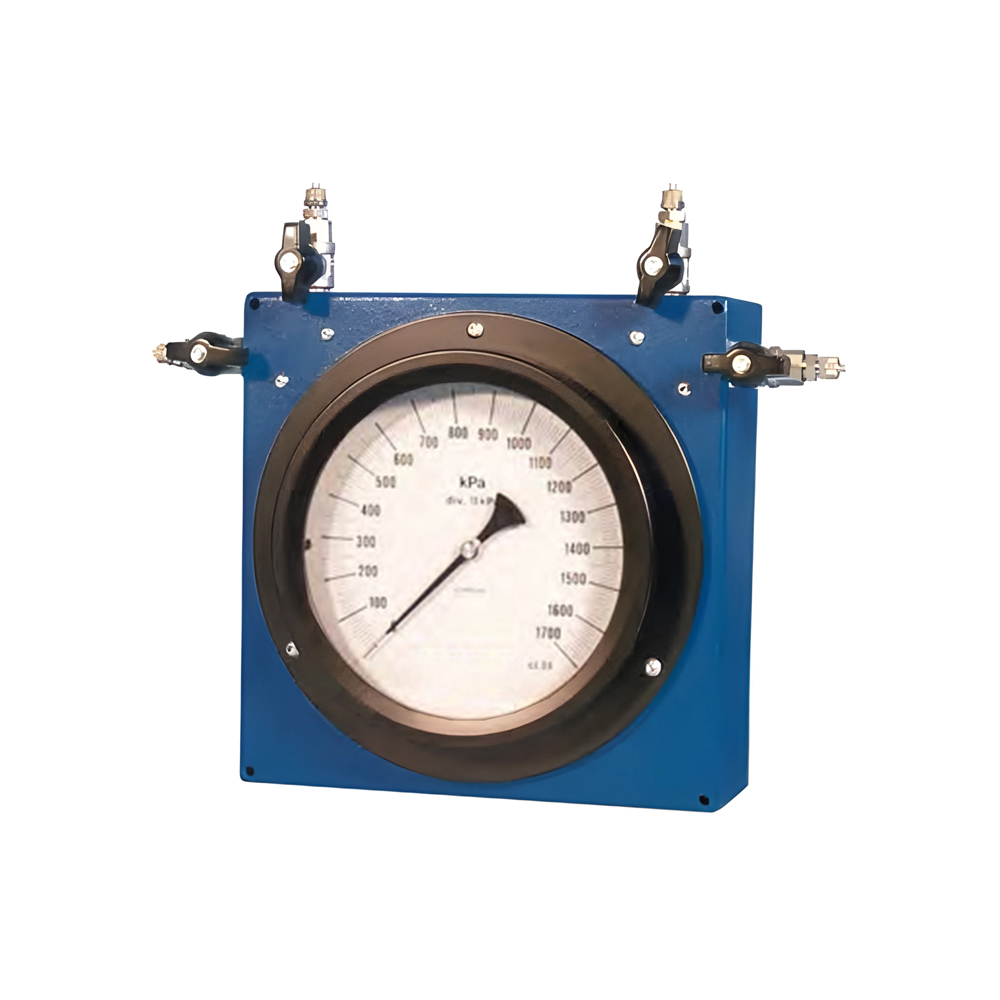
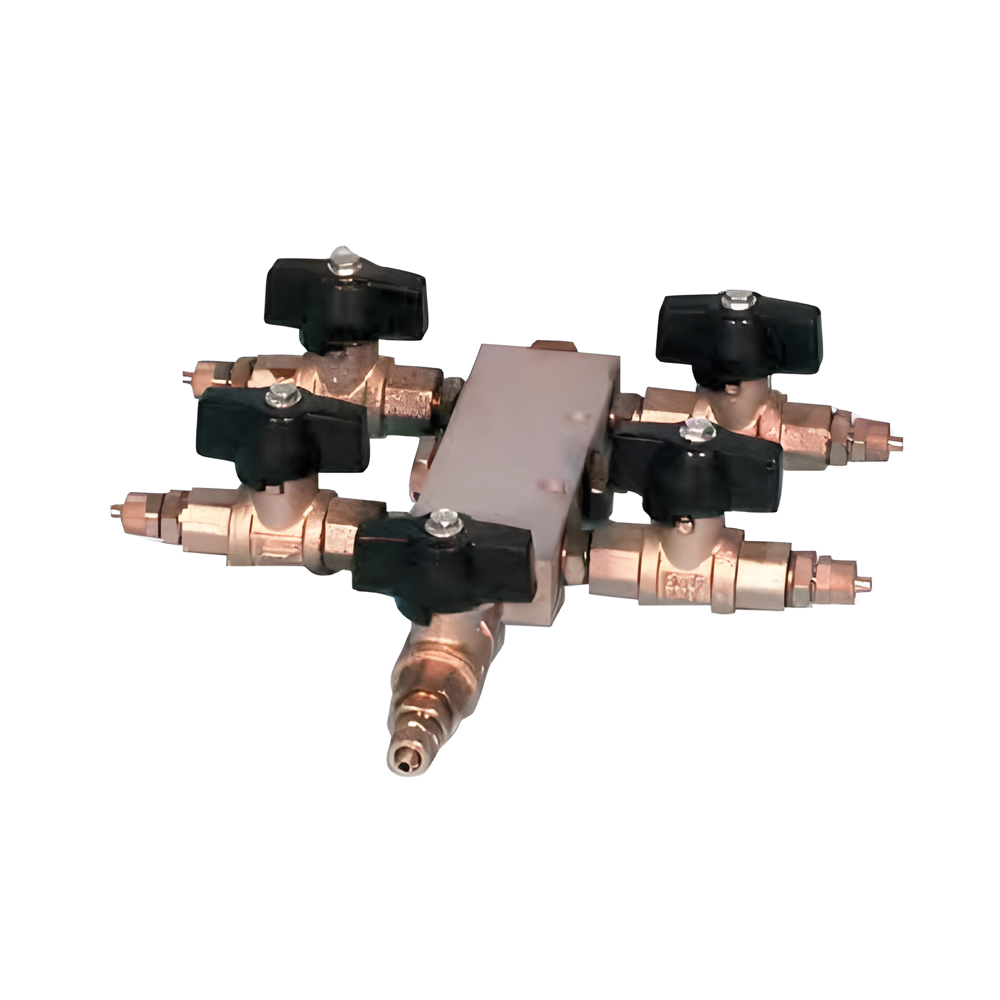
| Cell and back pressure | Air-water pressure cell, oil-water system and pressure panels | — |
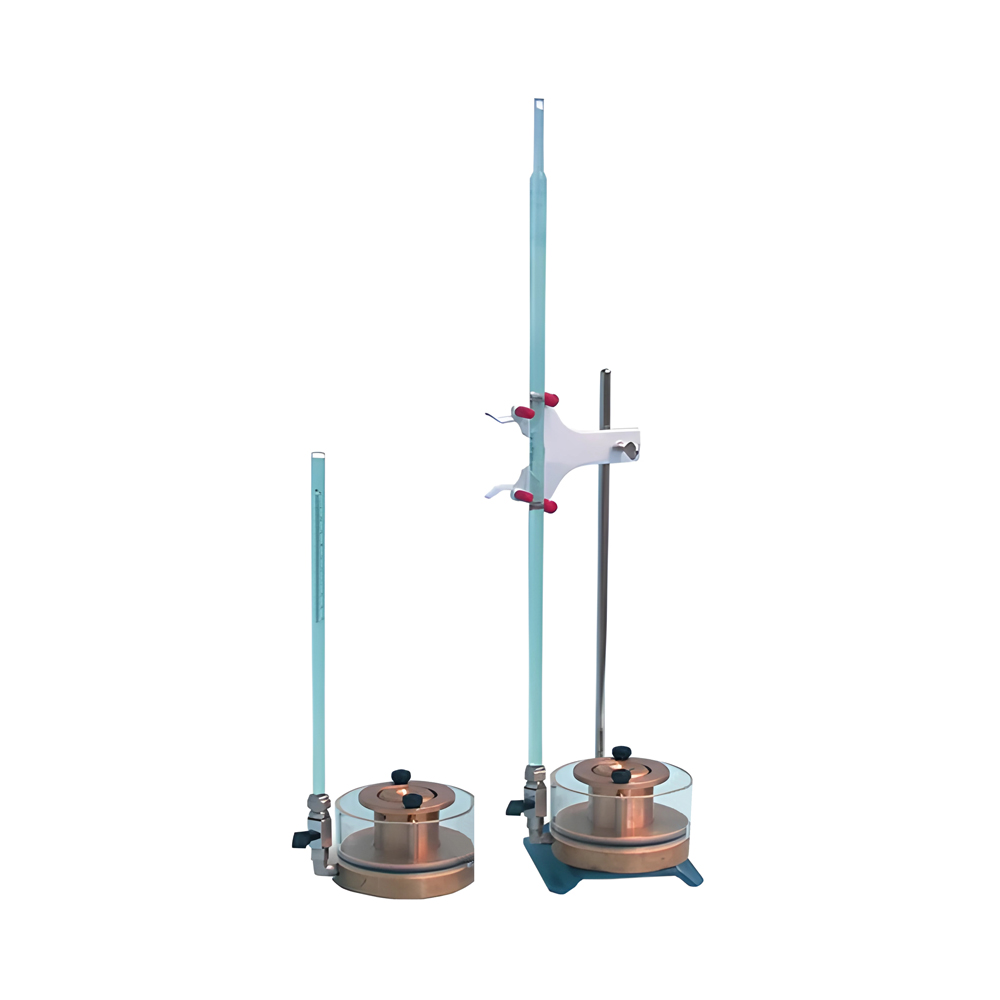
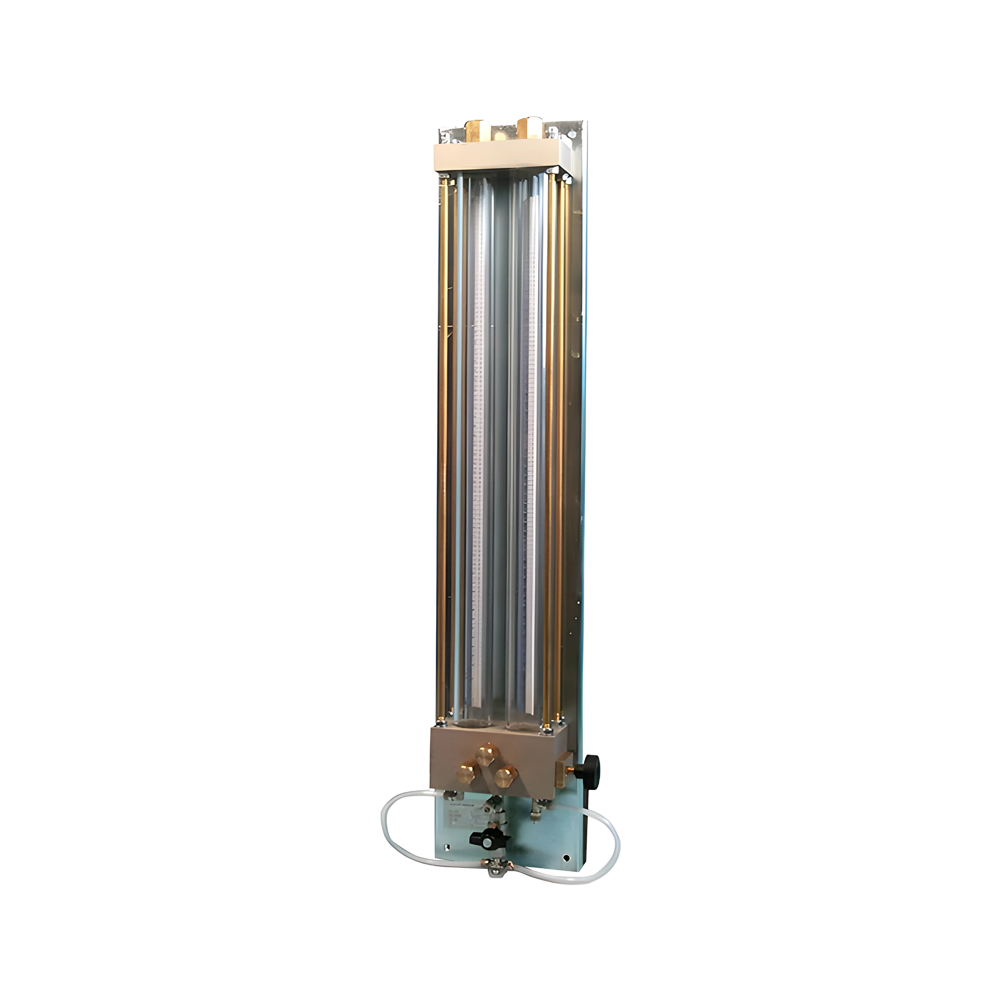
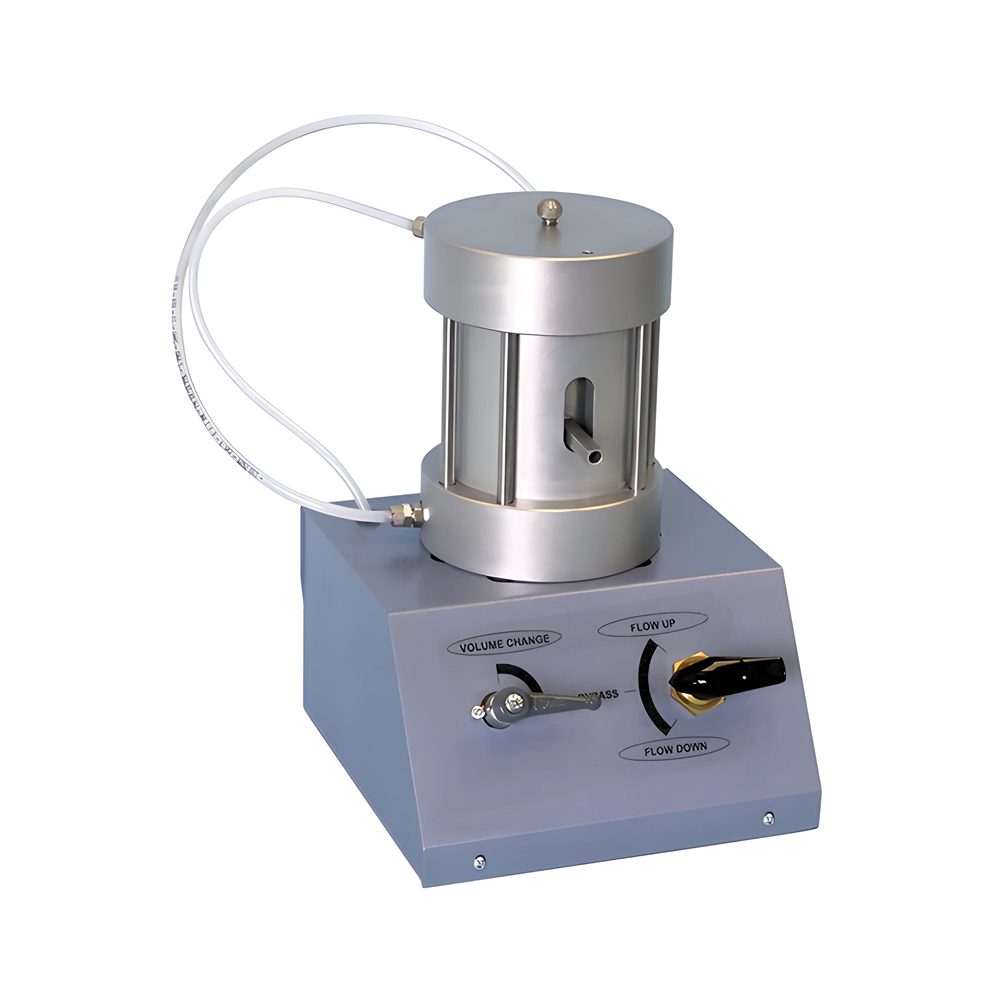
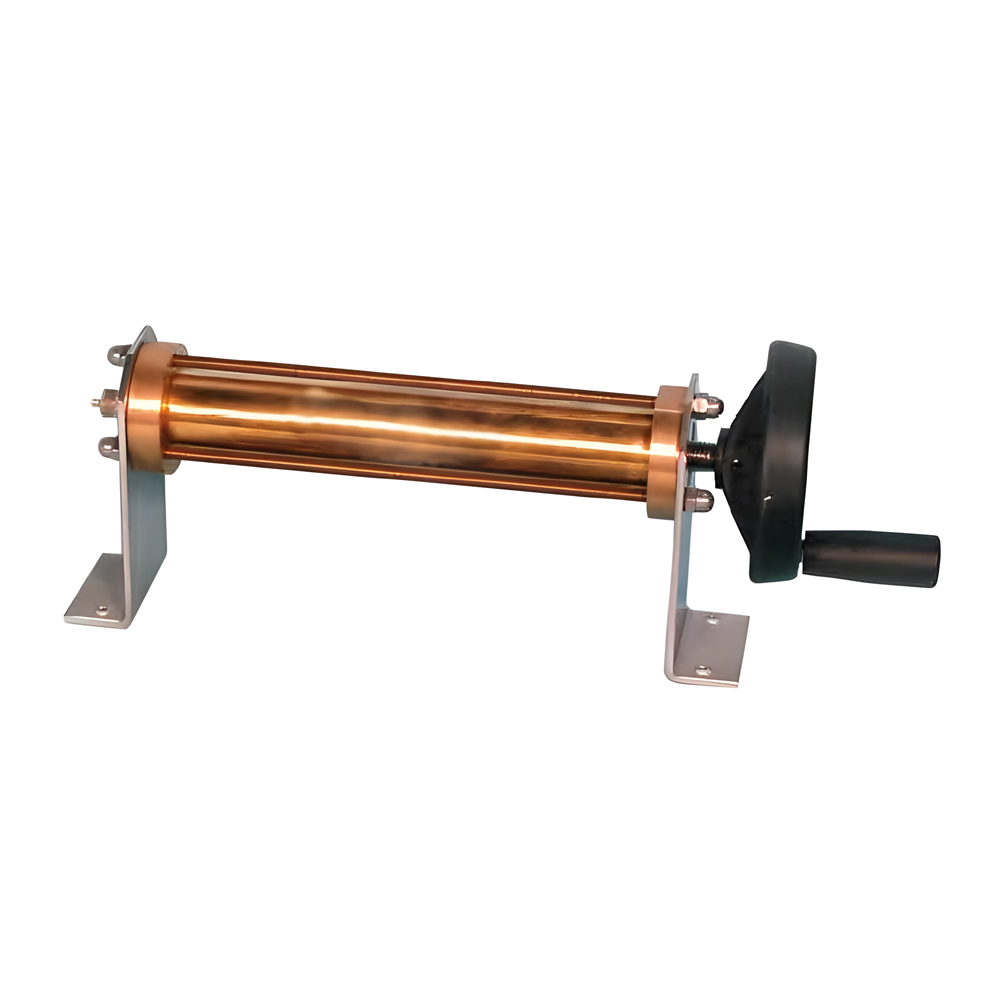
| Volume change | Automatic apparatus with transducer, or twin burette | — |
| De-aired water | 20 l de-airing tank and vacuum pump | — |
A triaxial test needs a load frame to load the specimen, the cell in which it sits submerged, one pressure source for the cell and another for the pore water (back pressure), a volume change gauge, and load, displacement and pressure transducers. The water has to be de-aired so that the specimen saturates properly. You can start with one station and add more panels and cells later.
To get a price, click Budget on each product page and send one request with everything you need. If you would rather talk to us, write to us or call +34 916 28 29 40.
How soils behave under load and with water: how much they compress, how much load they can carry before failing and how water flows through them. These data are used to design foundations, retaining walls, embankments, slopes and excavations.
A soil sample confined in a ring, so that it cannot deform sideways, is loaded in increasing steps, and the amount and rate of settlement are measured. It gives the compression index and the coefficient of consolidation, which are used to calculate the settlement of a foundation on clay.
Three, depending on drainage: unconsolidated undrained (UU), quick, for short-term strength; consolidated undrained (CU), with pore pressure measurement; and consolidated drained (CD), slow, for long-term strength. The choice depends on the site condition you want to reproduce.
The shear stress it can withstand before it slides. It is described by two parameters: cohesion, found in clays, and the angle of internal friction, which depends on the friction between grains. Both are obtained from the direct shear or triaxial test.
The automatic, computer-controlled versions are in Soilmatic.