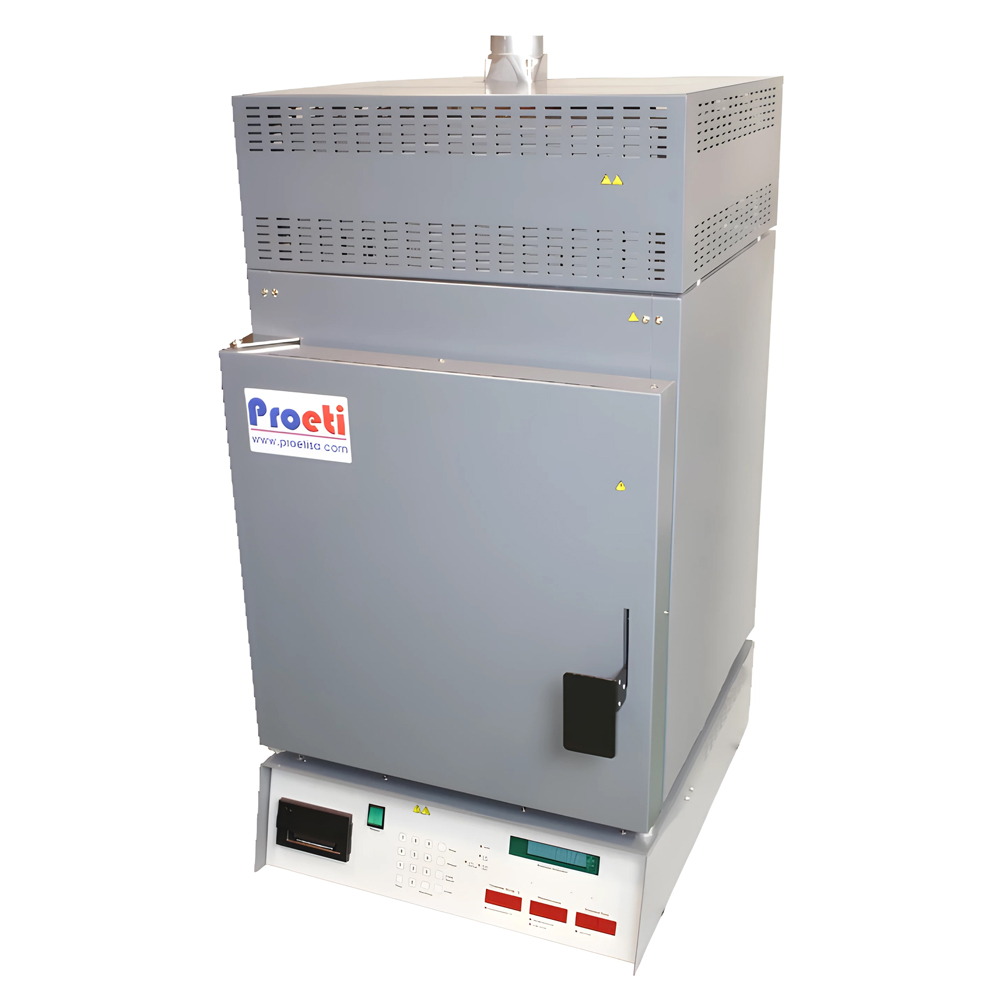
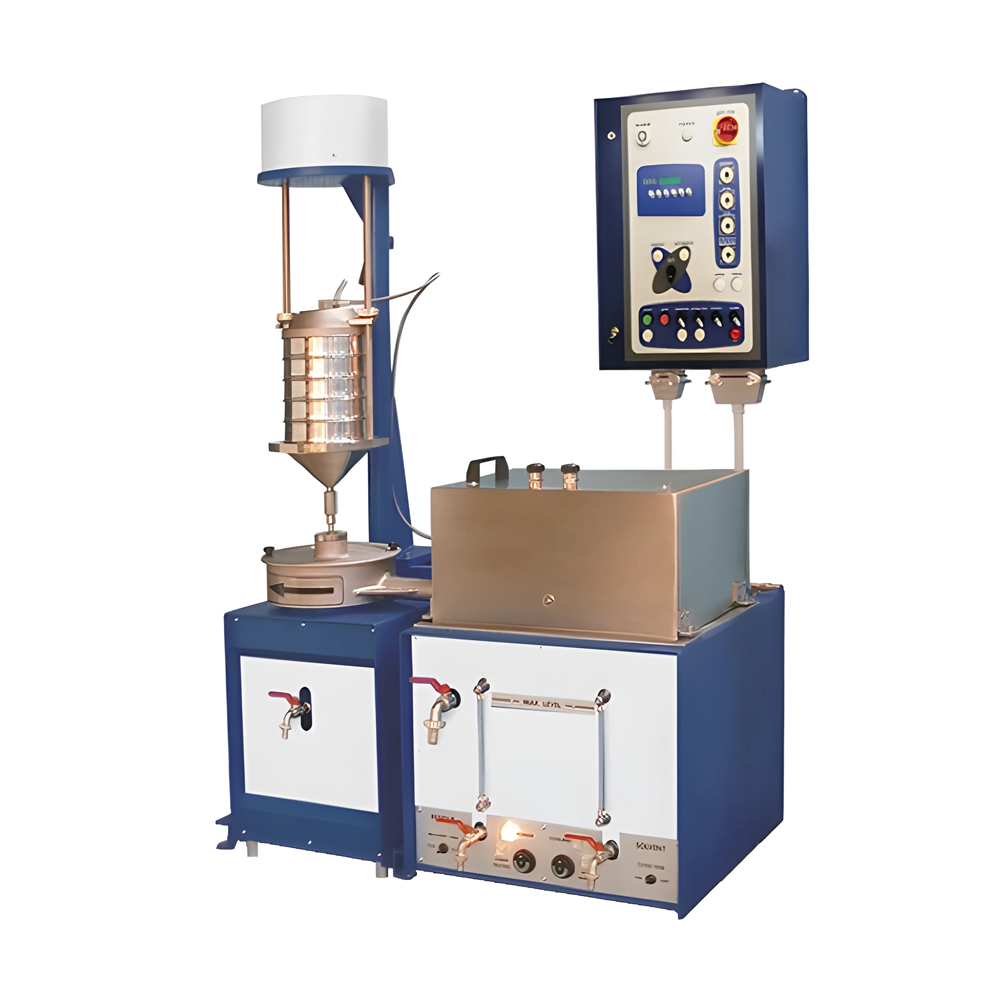
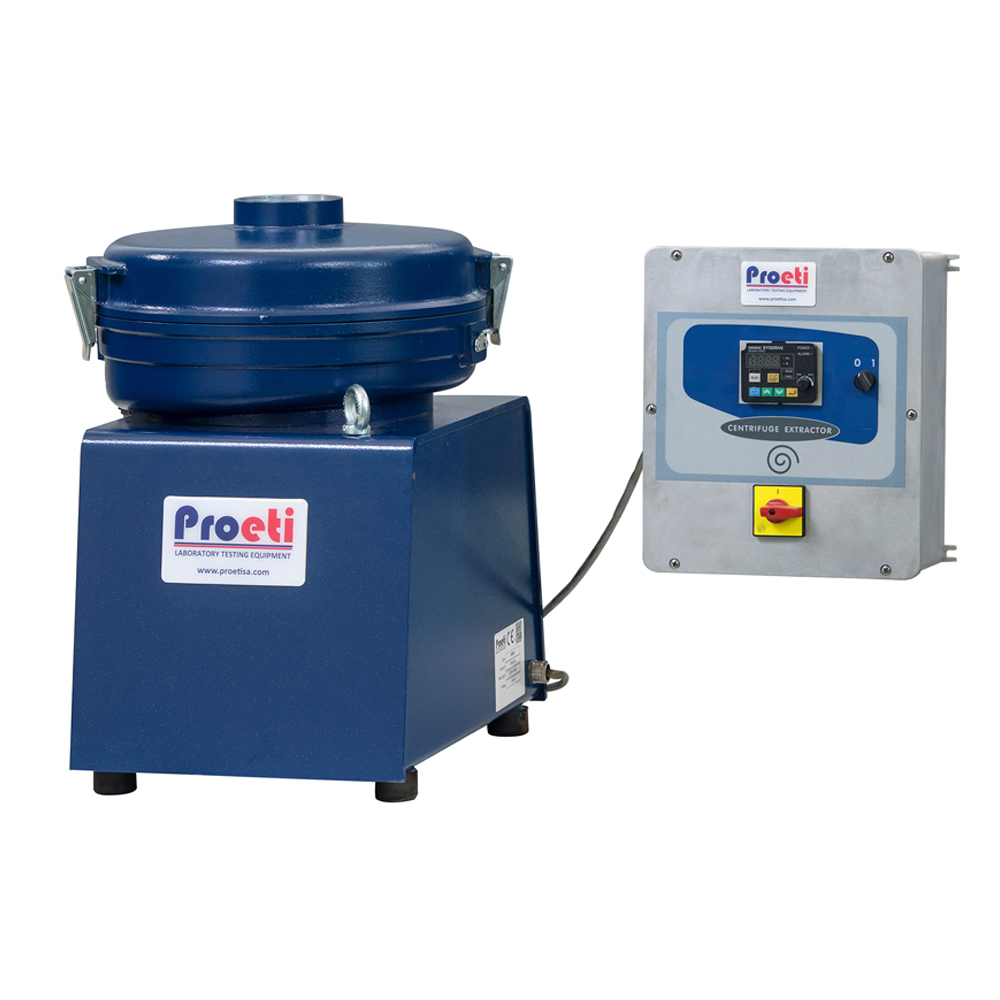
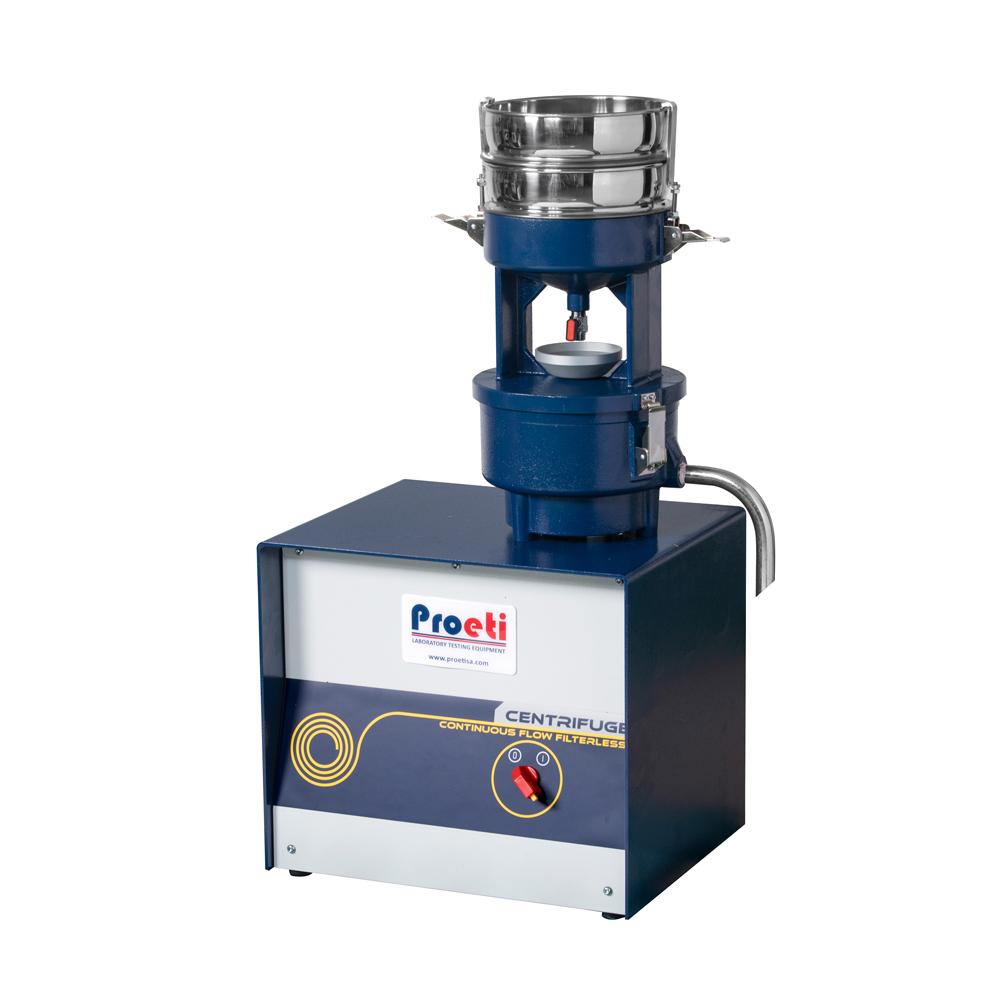
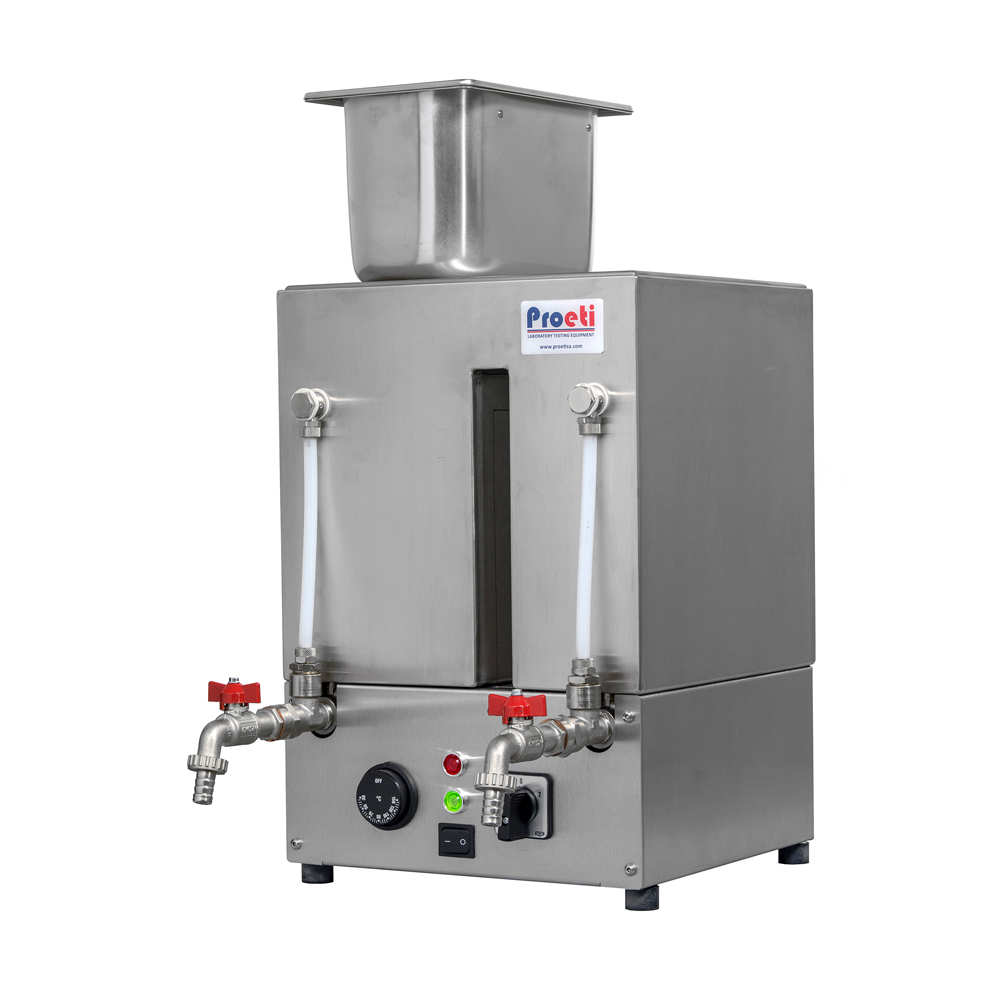
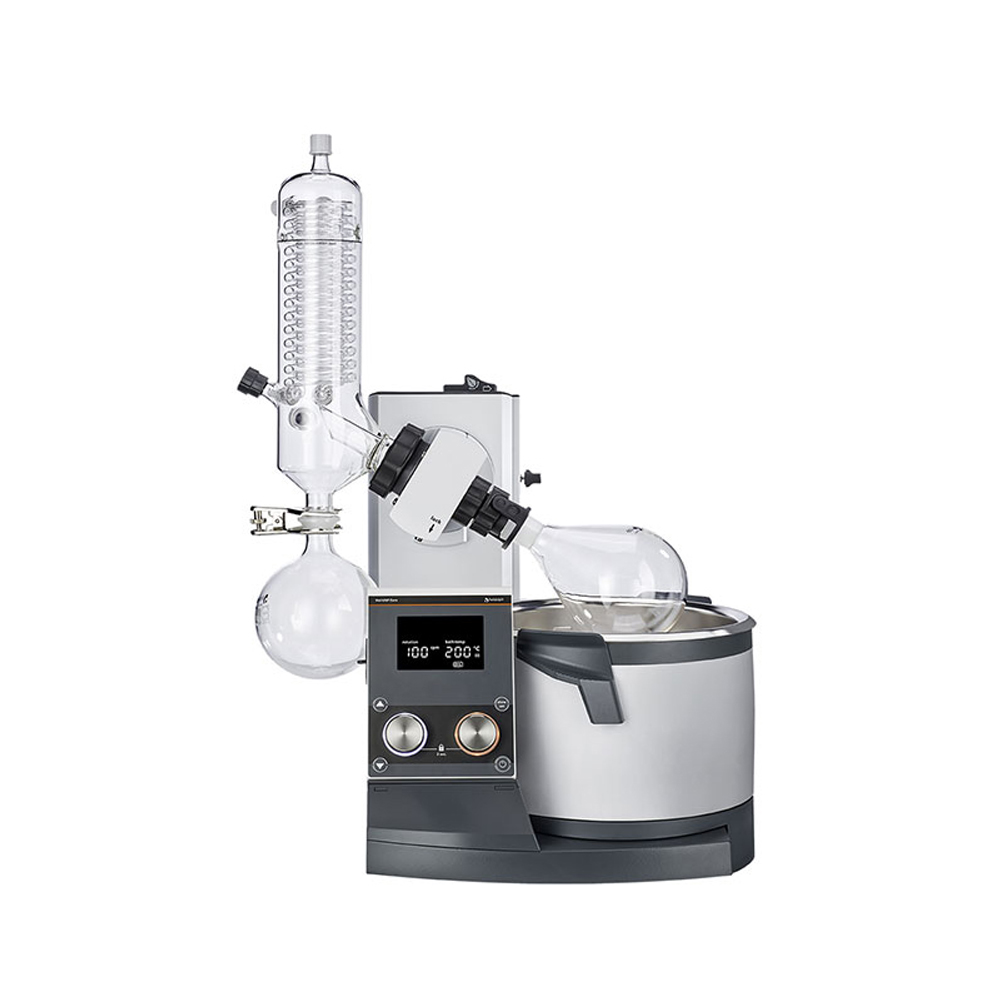
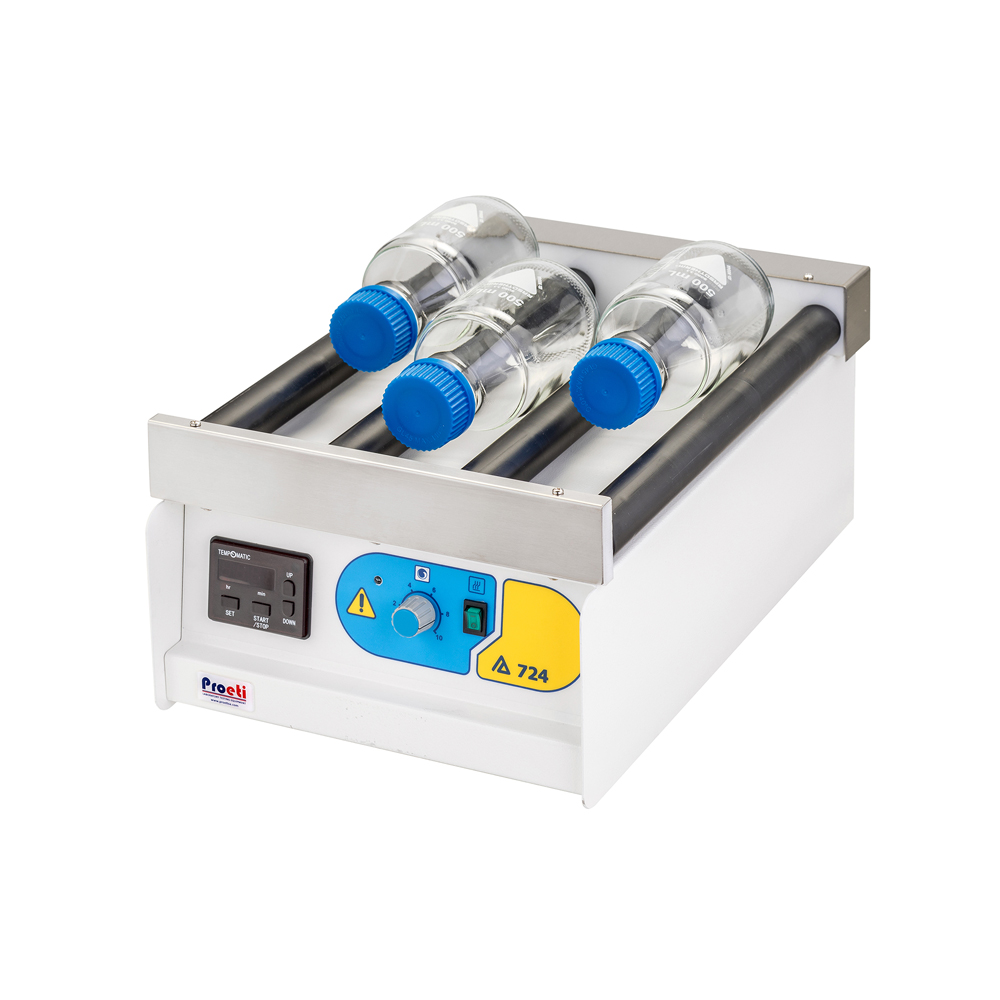
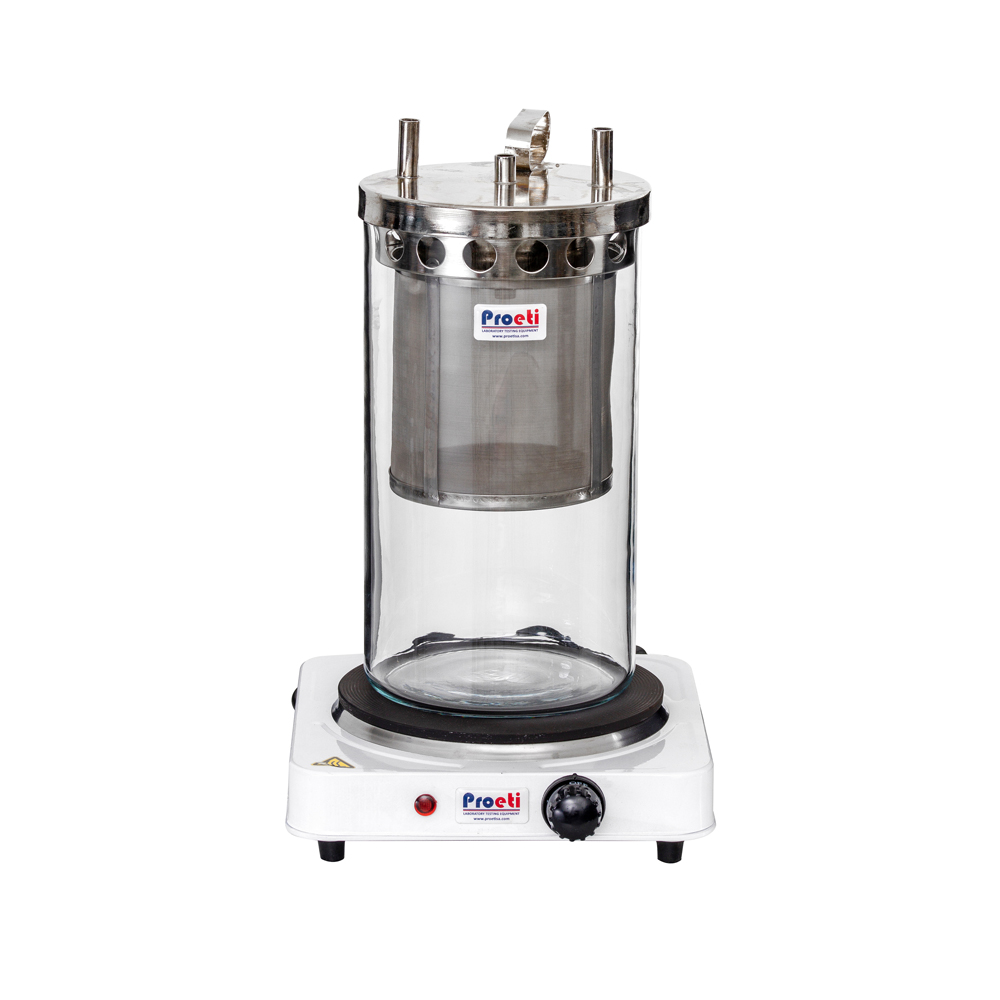
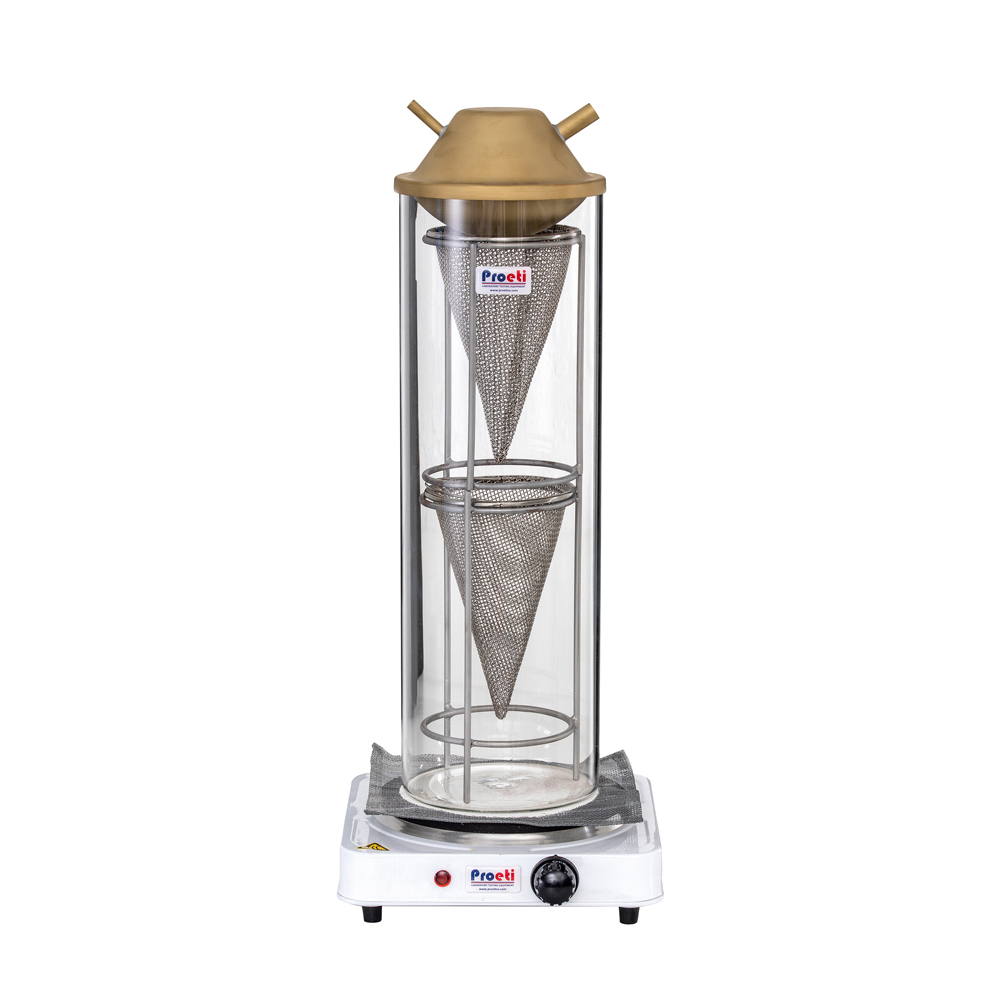
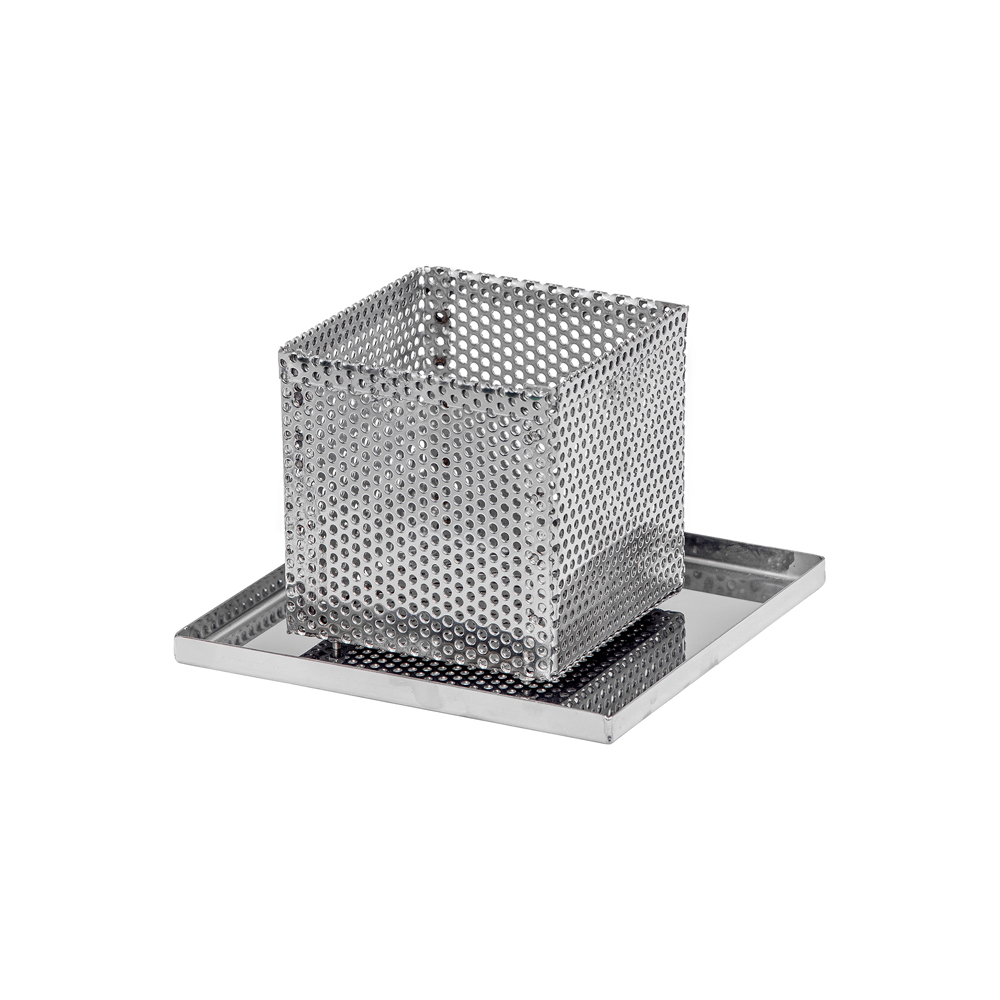
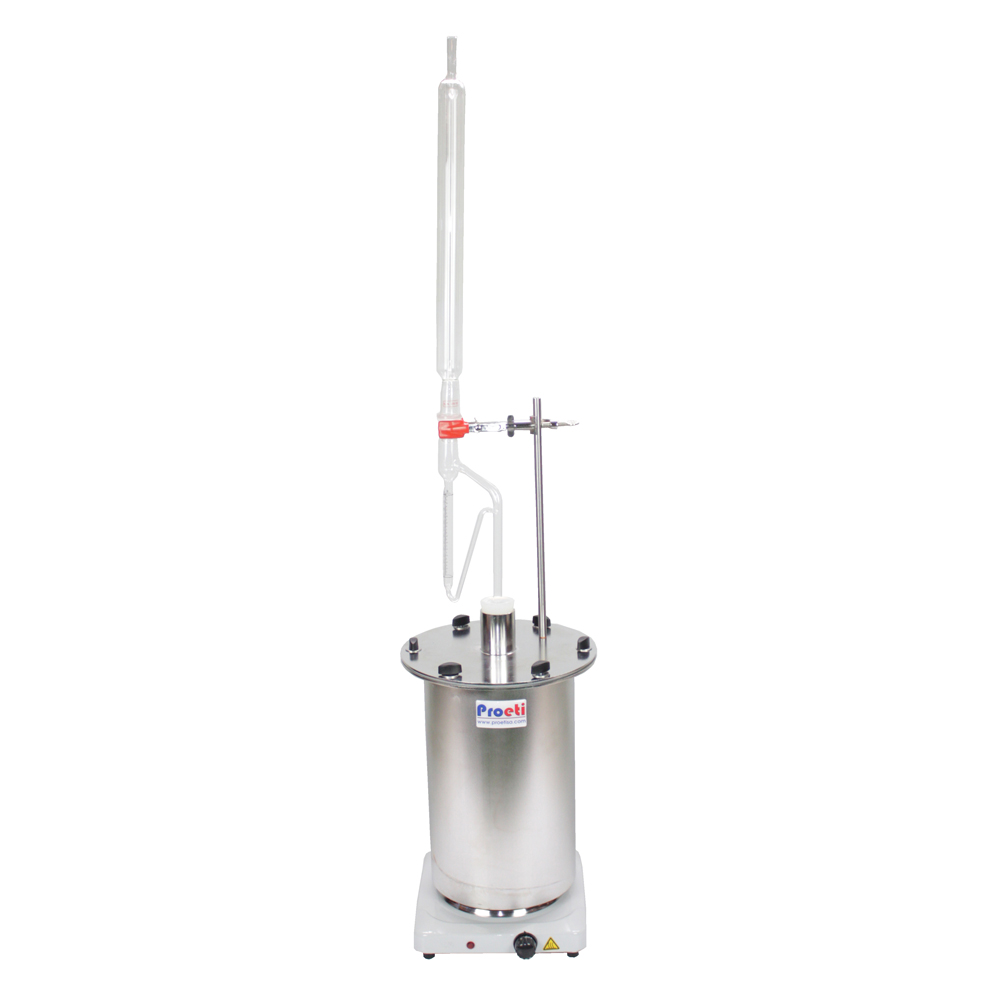
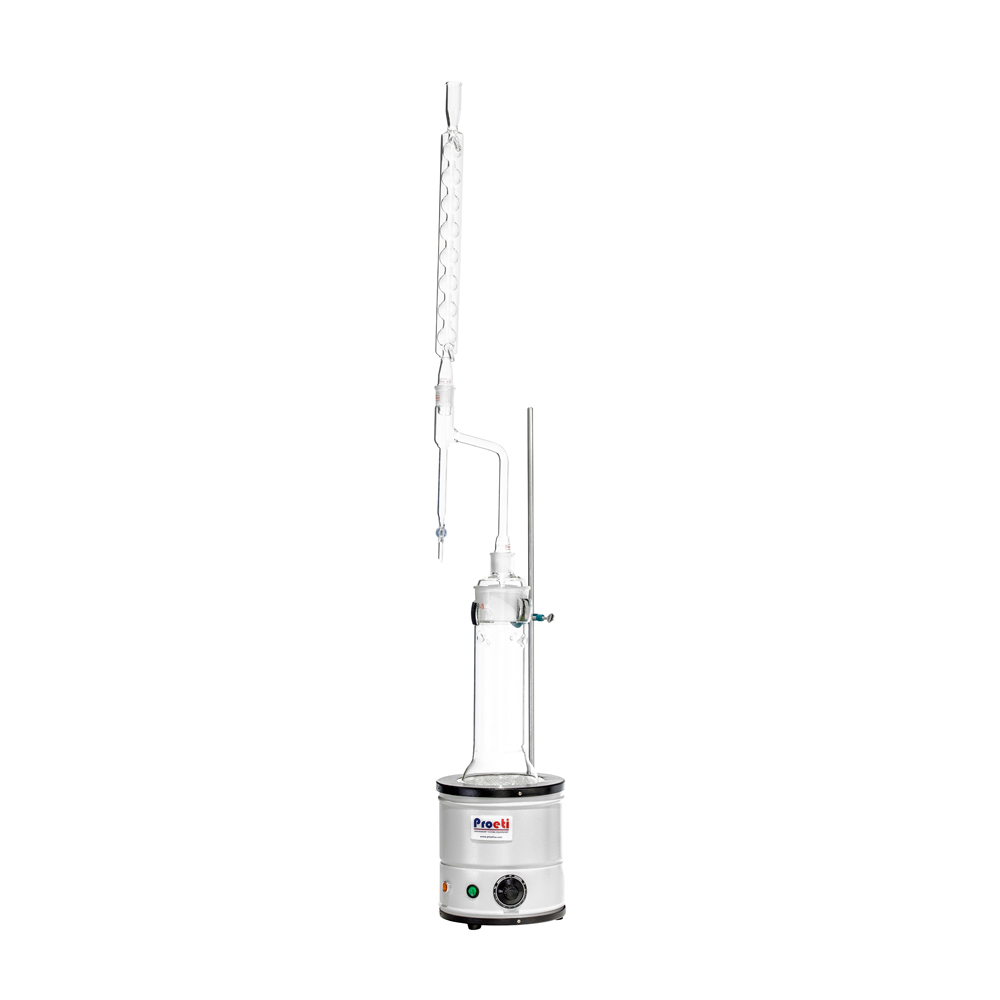
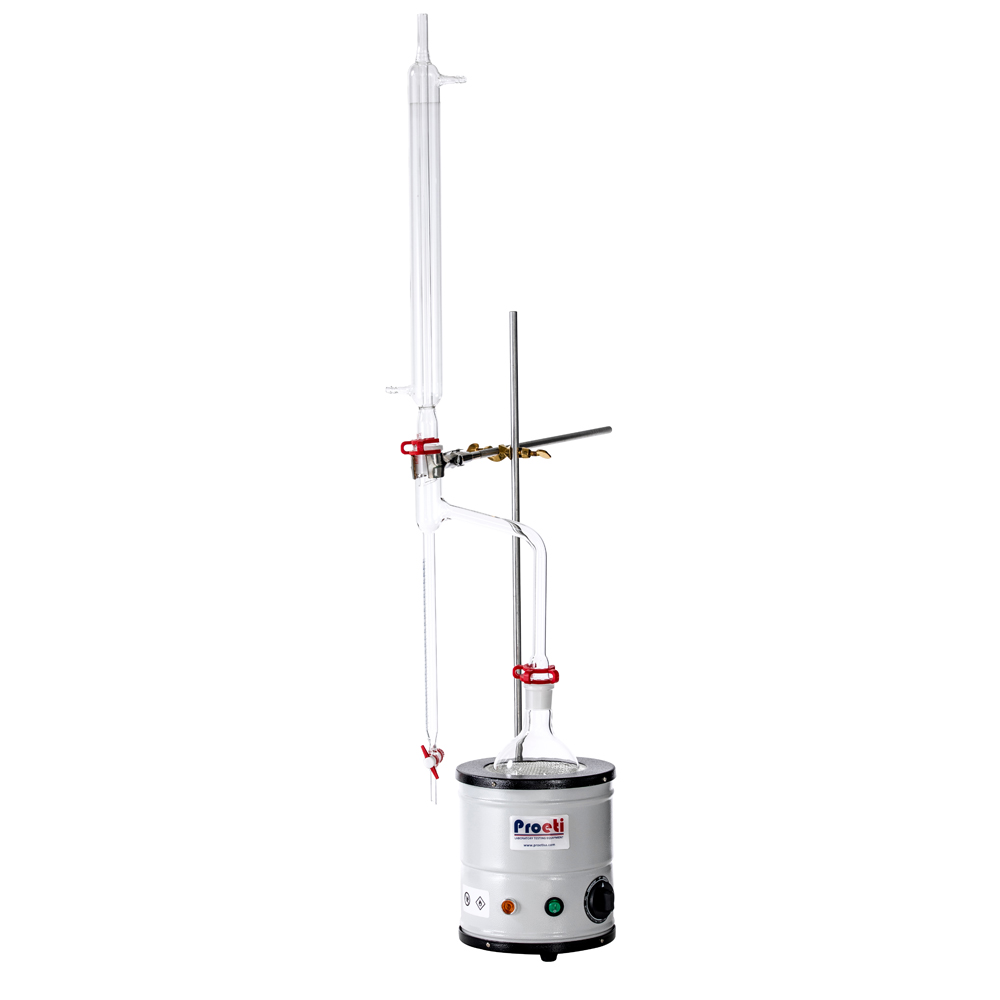
How much bitumen does the mix leaving the plant really contain? There are two ways to find out: burn it off in an ignition oven, or dissolve it and separate it from the aggregate with a centrifuge or an extractor. This is our bitumen extraction equipment for asphalt mixture analysis, to EN 12697 and ASTM, together with the solvent recovery unit, the drainage basket and the bottle roller. Ask for a price, stating the method you use.
| Test | Equipment | Standard |
|---|---|---|
| Binder content by ignition | NCAT ignition oven, with built-in balance | EN 12697-39, ASTM D6307 |
| Binder content by extraction | Automatic extraction unit or 1,500 or 3,000 g centrifuge | EN 12697-1, ASTM D2172 |
| Hot extraction | Extractors with wire mesh or paper filter, Soxhlet, Kumagawa and reflux extractors | EN 12697-1 (annex B), ASTM D2172 |
| Separating the filler from the solution | Continuous-flow filterless centrifuge, at 11,500 rpm | EN 12697-1, ASTM D1856 |
| Recovering the bitumen for testing | Rotary evaporator | ASTM D5404 |
| Reusing the solvent | Solvent recovery unit, 10 l/h | — |
| Binder drainage | Drainage basket in perforated sheet metal | EN 12697-18 |
| Aggregate-bitumen affinity | Bottle rolling machine, for three bottles | EN 12697-11 |
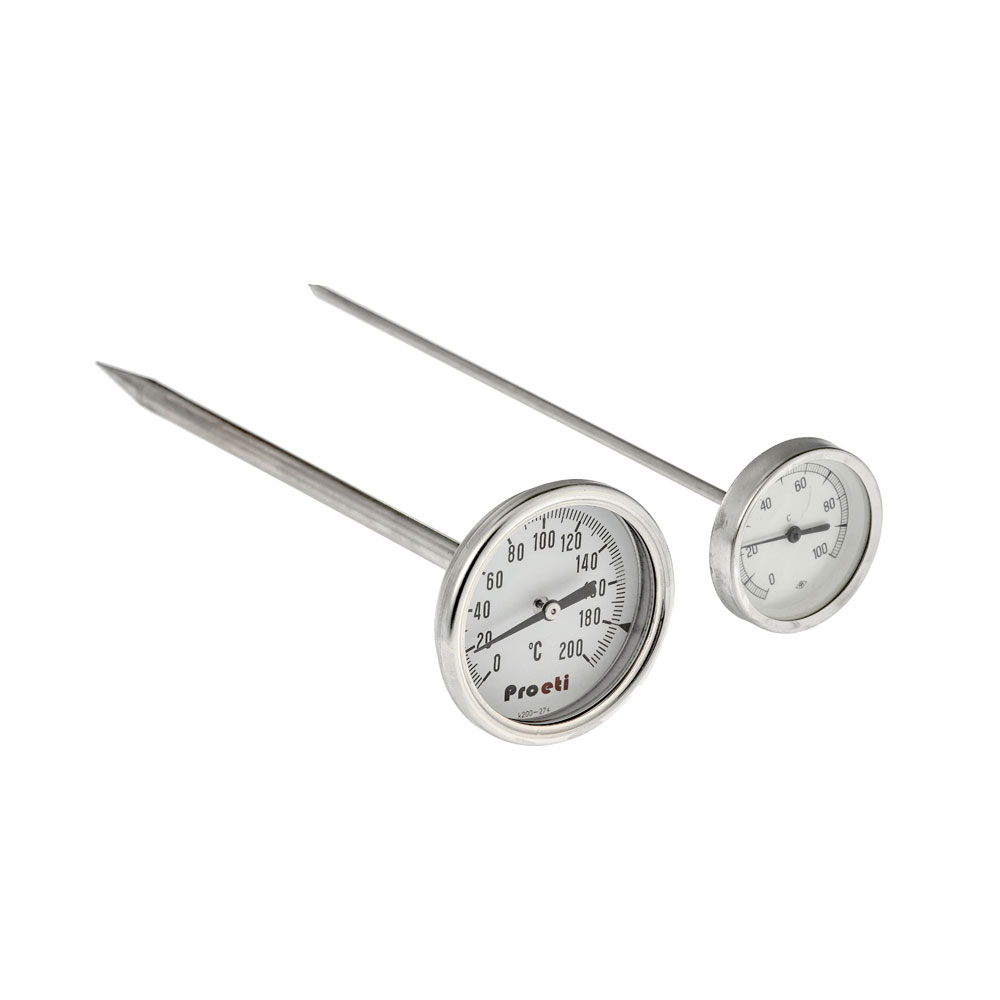
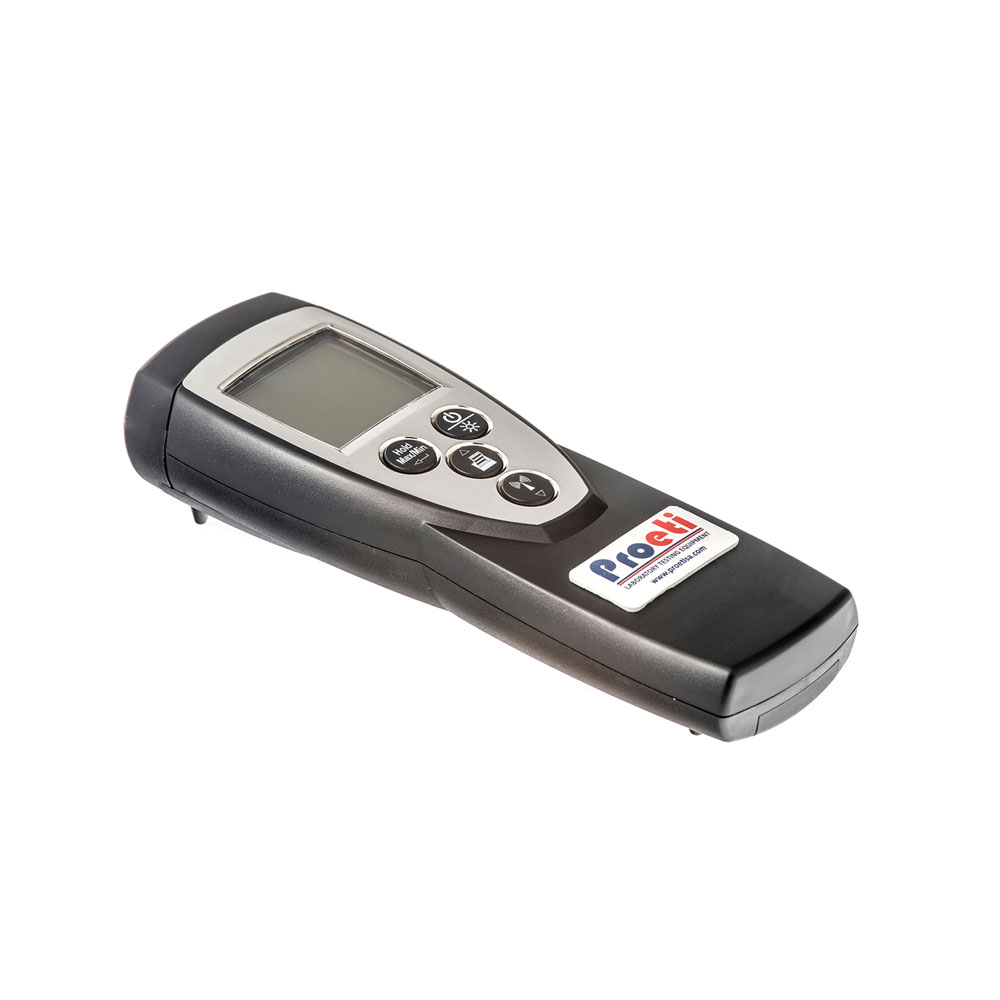
The digital and probe thermometers in this section are used to control the temperature of the mixture during production, sampling and compaction.
| Ignition oven | Solvent extraction | |
|---|---|---|
| How it works | Burns off the bitumen at high temperature and weighs the sample throughout | Dissolves the bitumen and separates it from the aggregate by centrifuging or filtering |
| Solvents | None | Perchloroethylene or others; best recovered |
| Calibration | Needs a correction factor for each mixture type | Not needed |
| The bitumen | Is lost | Can be recovered and tested |
| The aggregate | Can be used for grading if it does not break down | Can be used for grading |
For day-to-day control at a plant producing its usual mixtures, the oven is faster and cleaner. If the recovered bitumen has to be tested afterwards, or the mixture type changes a lot, extraction is used.
To get a price, click Budget on each product page and send one request with everything you need. If you would rather talk to us, write to us or call +34 916 28 29 40.
Because almost everything depends on it: with too little bitumen the mixture is dry, ravels and ages sooner; with too much, it deforms in the heat and bleeds. The job mix formula sets the percentage, and on site it is checked on production samples, together with the grading.
It is dried, weighed and sieved to obtain the grading of the mixture (EN 12697-2). So the same sample is used to check the two things the job mix formula sets: how much bitumen it contains and what grading curve the aggregate has.
The bitumen that separates from the mixture and drains to the bottom during transport and storage. It happens in mixtures with a lot of bitumen and little fine aggregate, such as porous asphalt and SMA. It is measured to set the maximum binder content and decide whether fibres are needed.
How well the bitumen stays stuck to the stone when there is water. The coated particles are rolled in bottles with water and the proportion still coated is then assessed visually. An aggregate with poor affinity needs an adhesion agent.
Once the mixture has been analysed, specimens are made and tested with the Marshall test equipment.