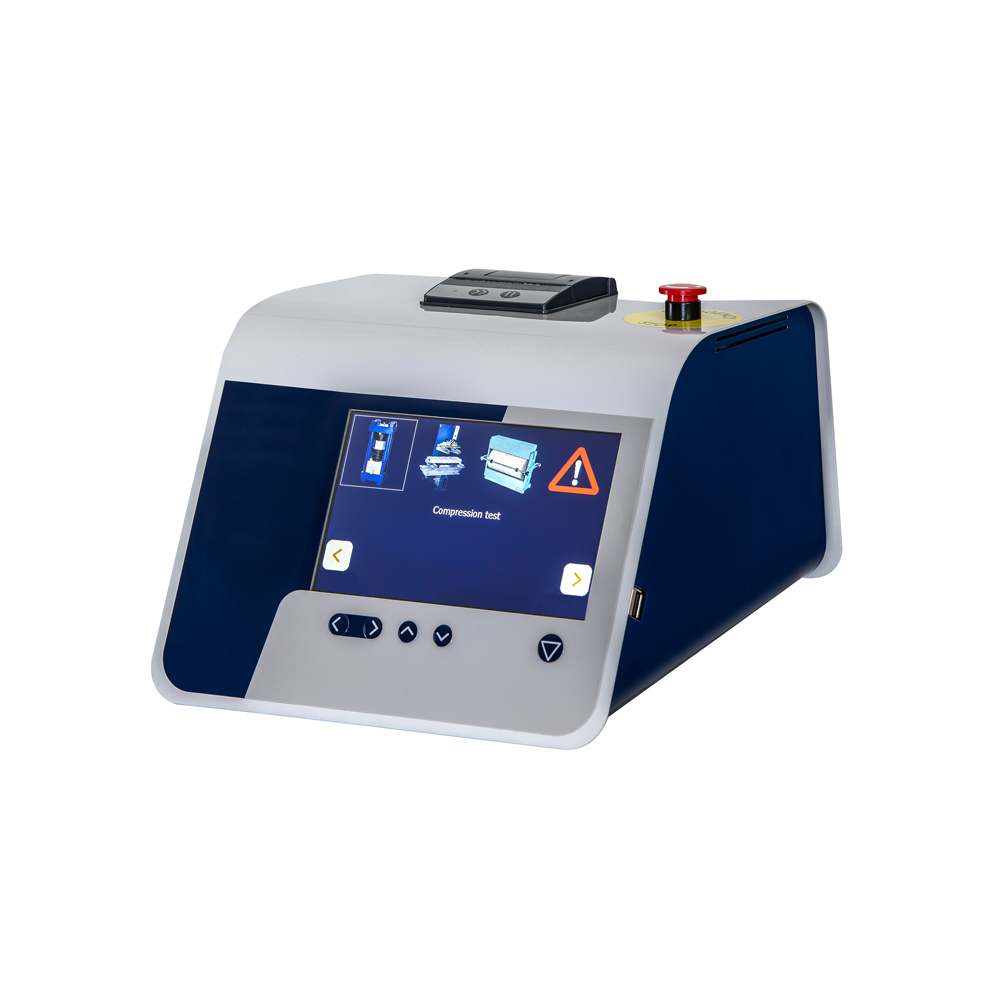
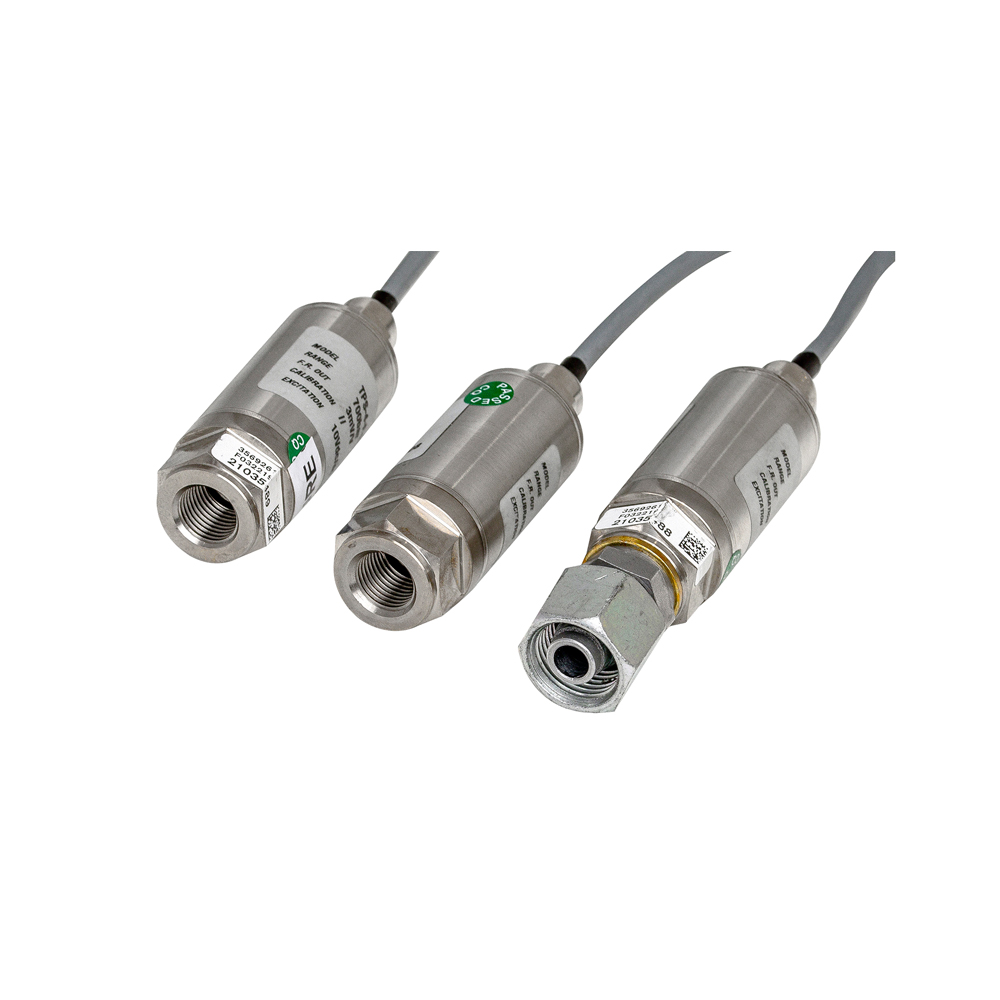
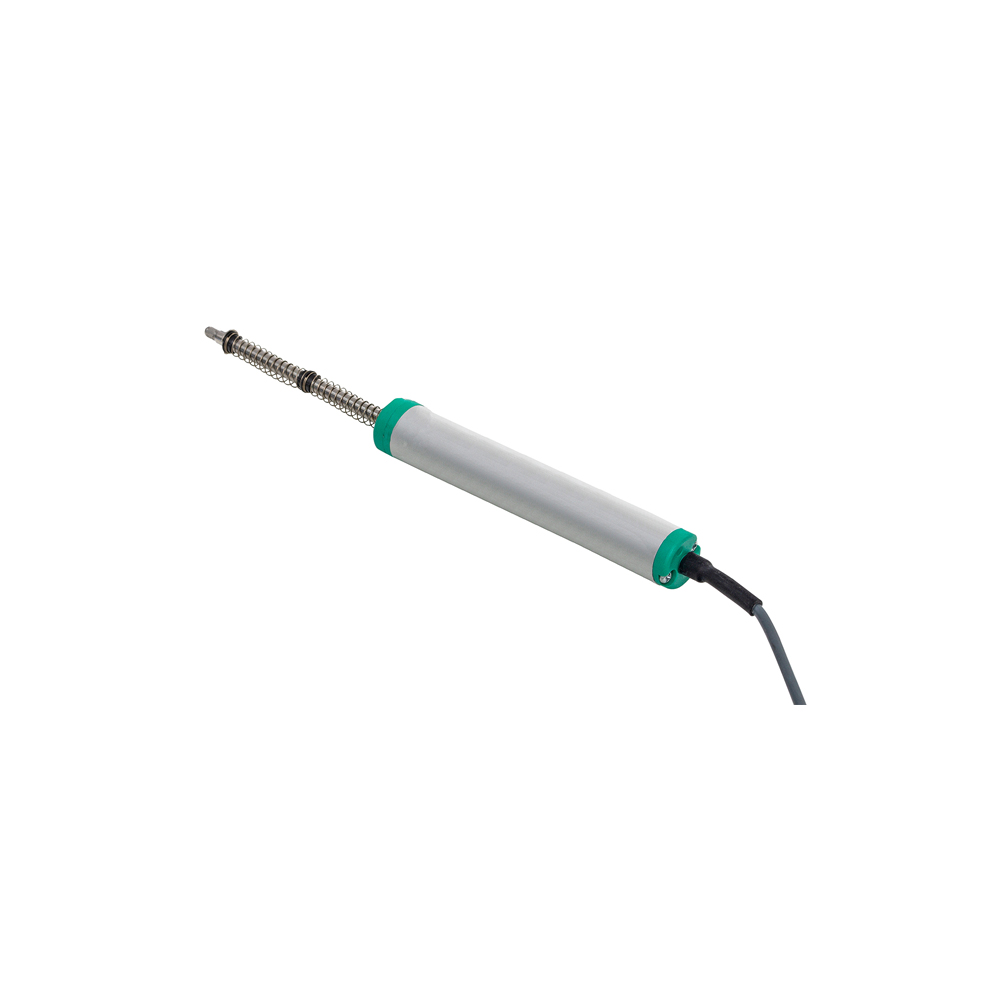
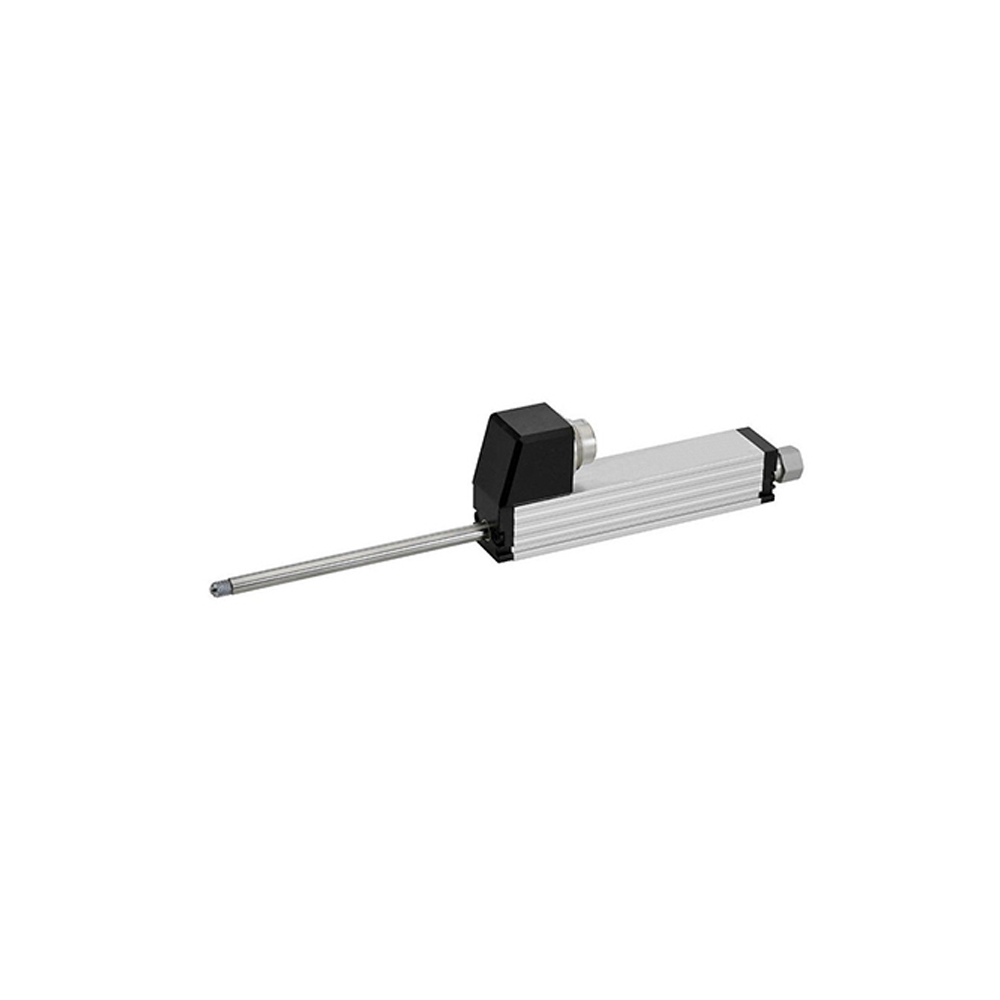
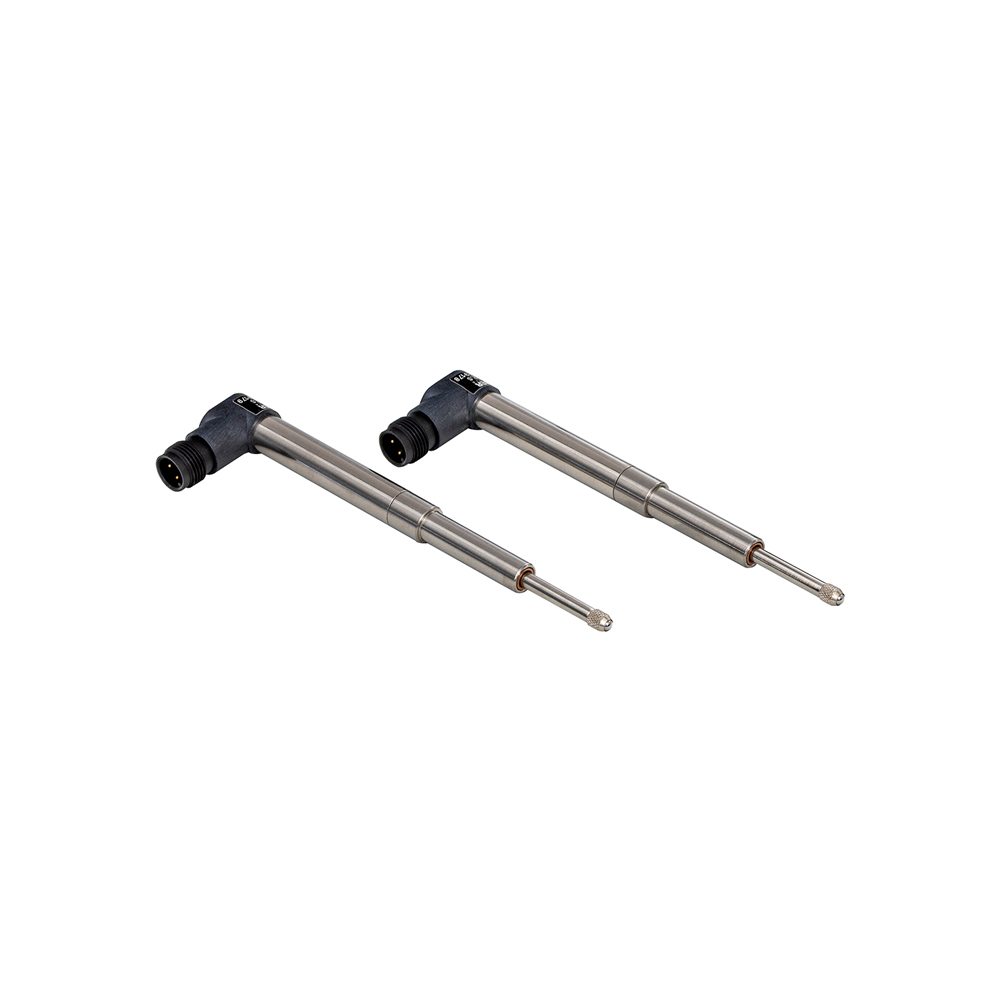
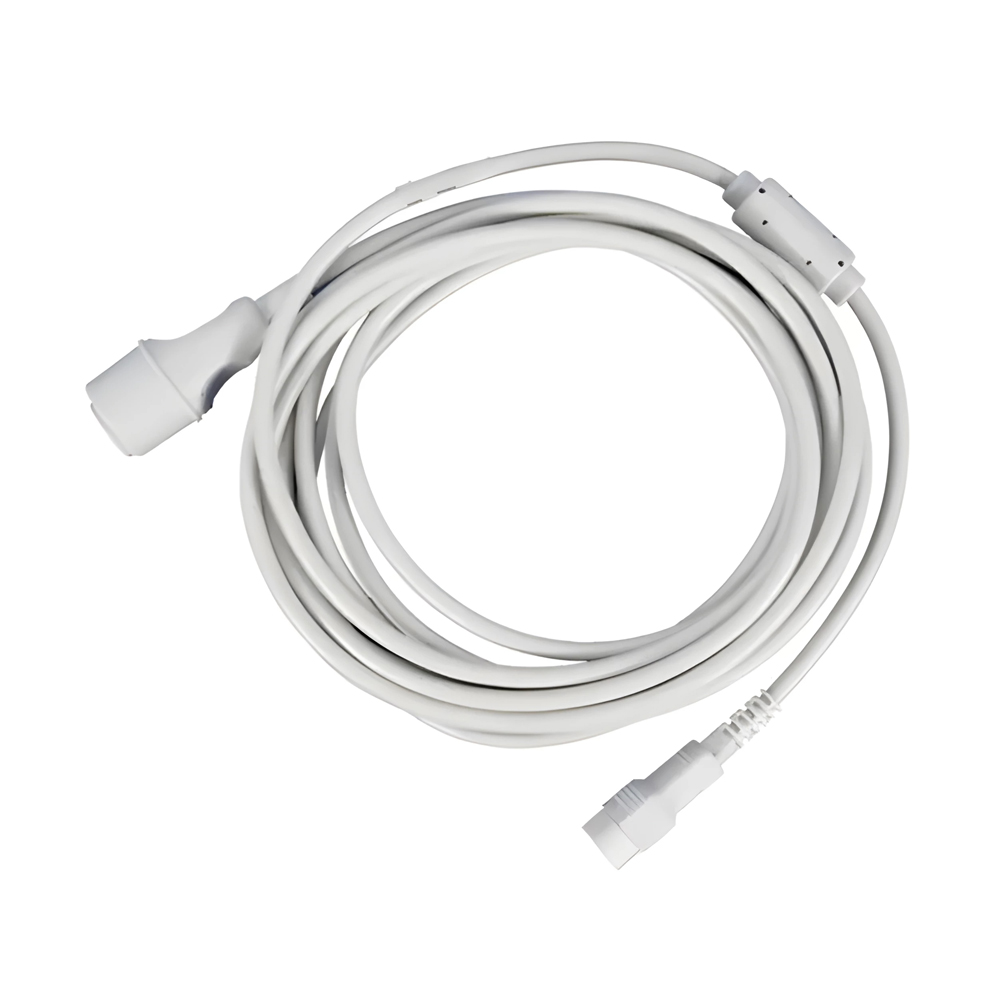
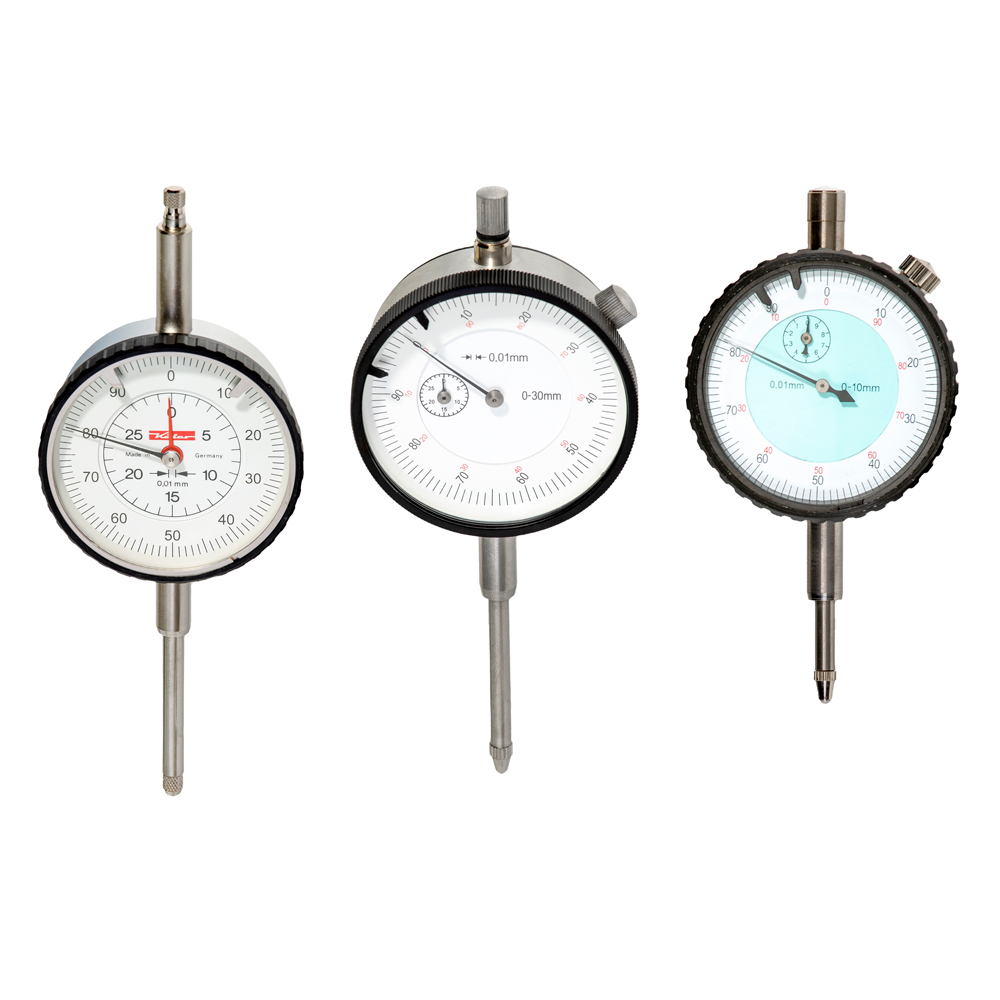
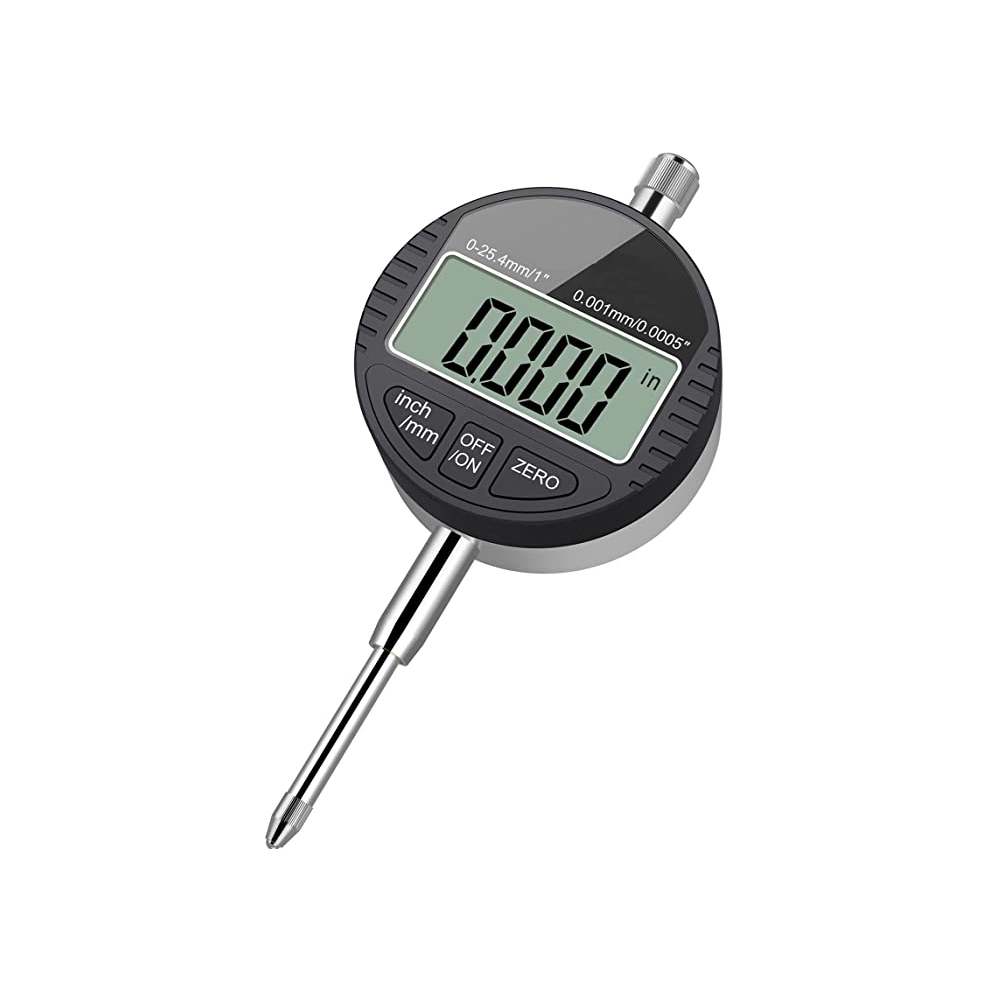
Does your machine need to measure how far the specimen deforms, under what force and at what pressure? That is the job of the dial gauges, displacement transducers, load cells and pressure transducers in this section, with data acquisition units, control modules and CE panels to integrate them into your testing equipment. Check compatibility with your machine with us.
| Quantity | Sensor | Note from the product page |
|---|---|---|
| Displacement (direct reading) | Analogue dial gauge or digital | For a wide range of equipment and machines |
| Displacement (electrical signal) | Potentiometric transducer, TR transducer and LVDT | TR: 0.05 % linearity and 0.002 mm repeatability |
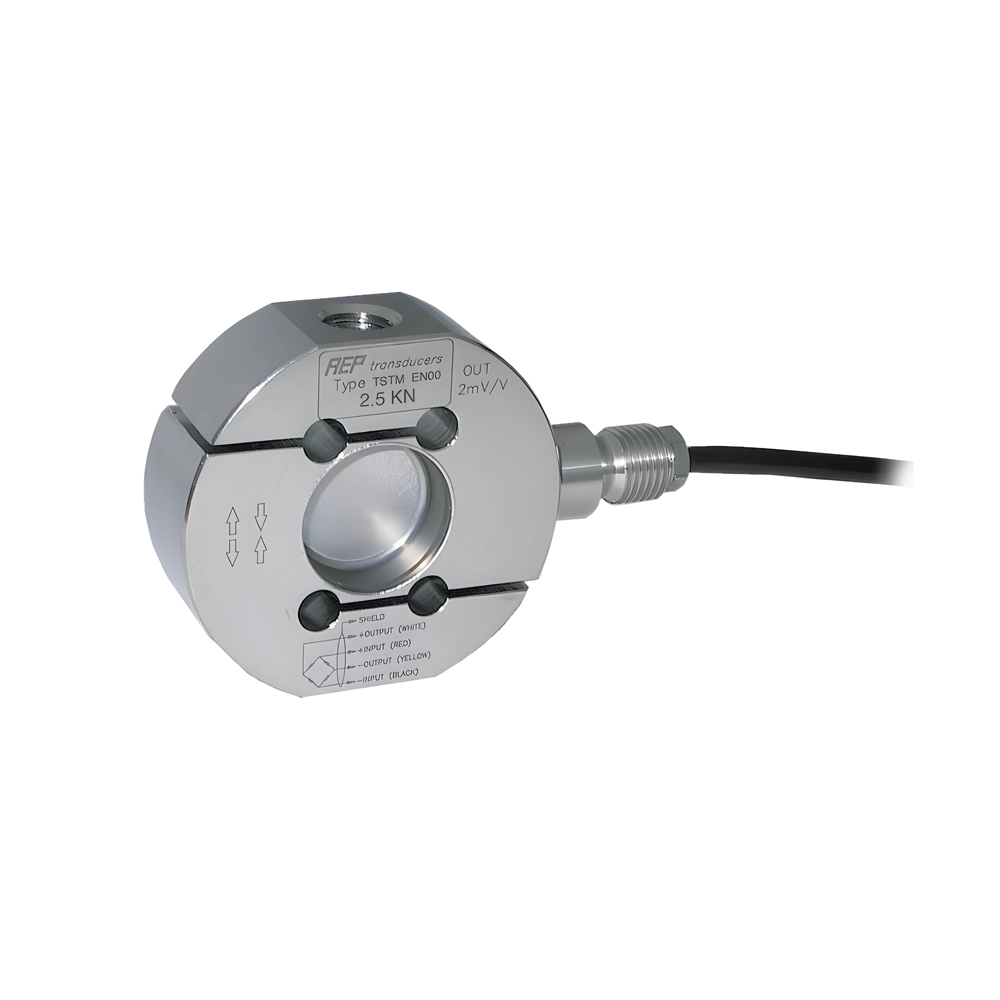
| Force | Electric load cells | For low-capacity universal testing machines |
| Hydraulic pressure | Pressure transducers | Signal proportional to the circuit pressure |
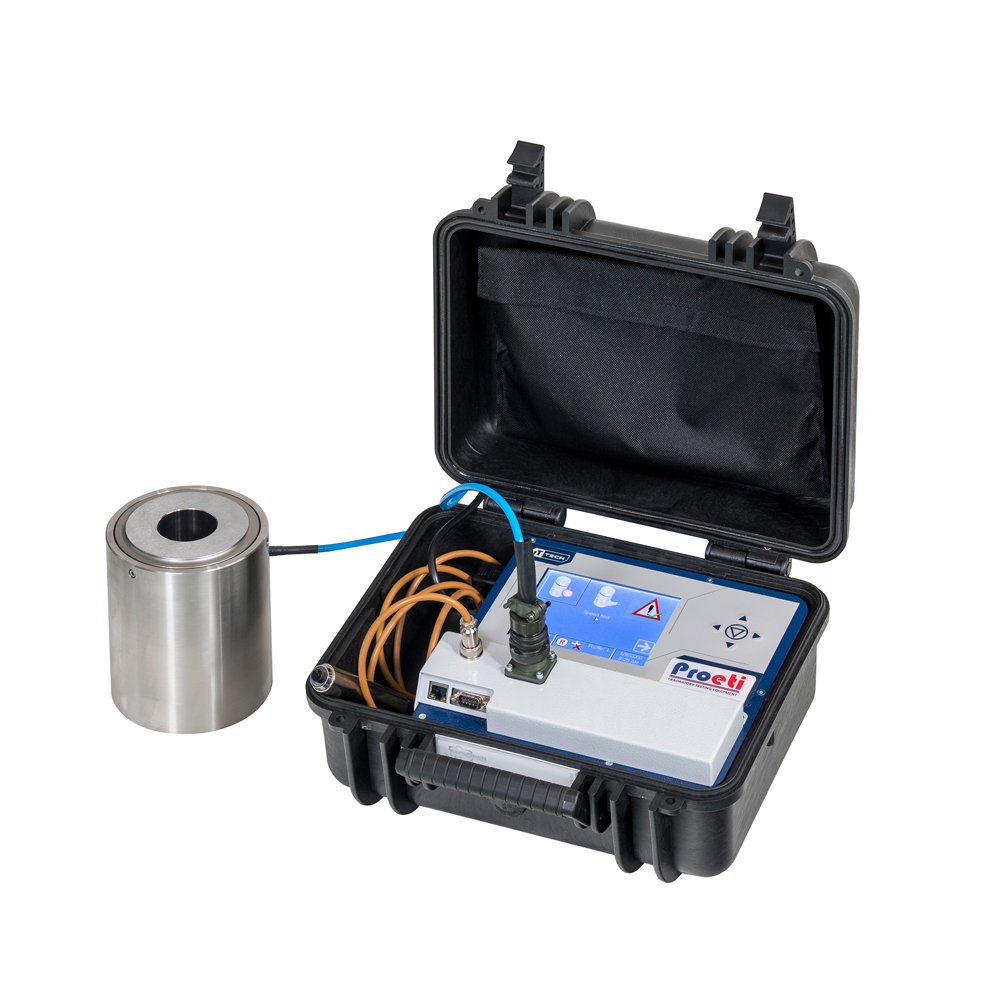
| Force verification | Digital force verification indicator | — |
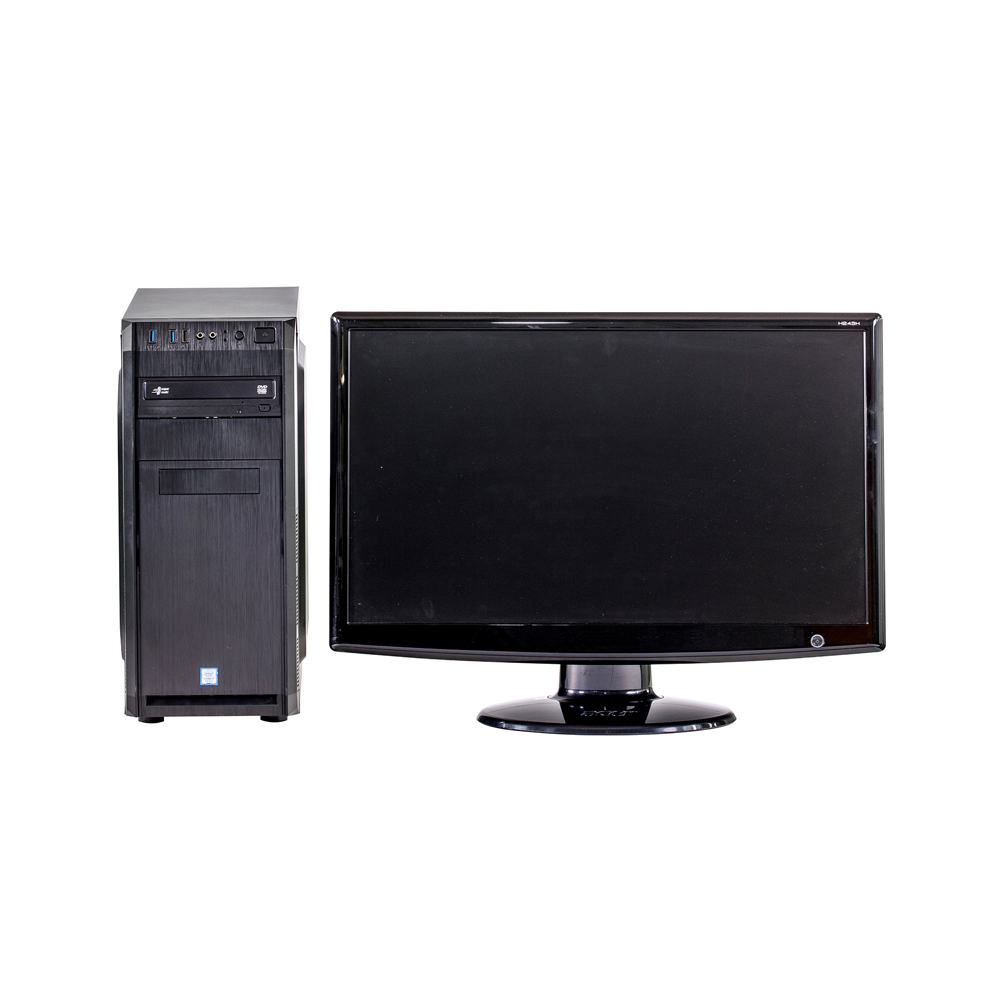
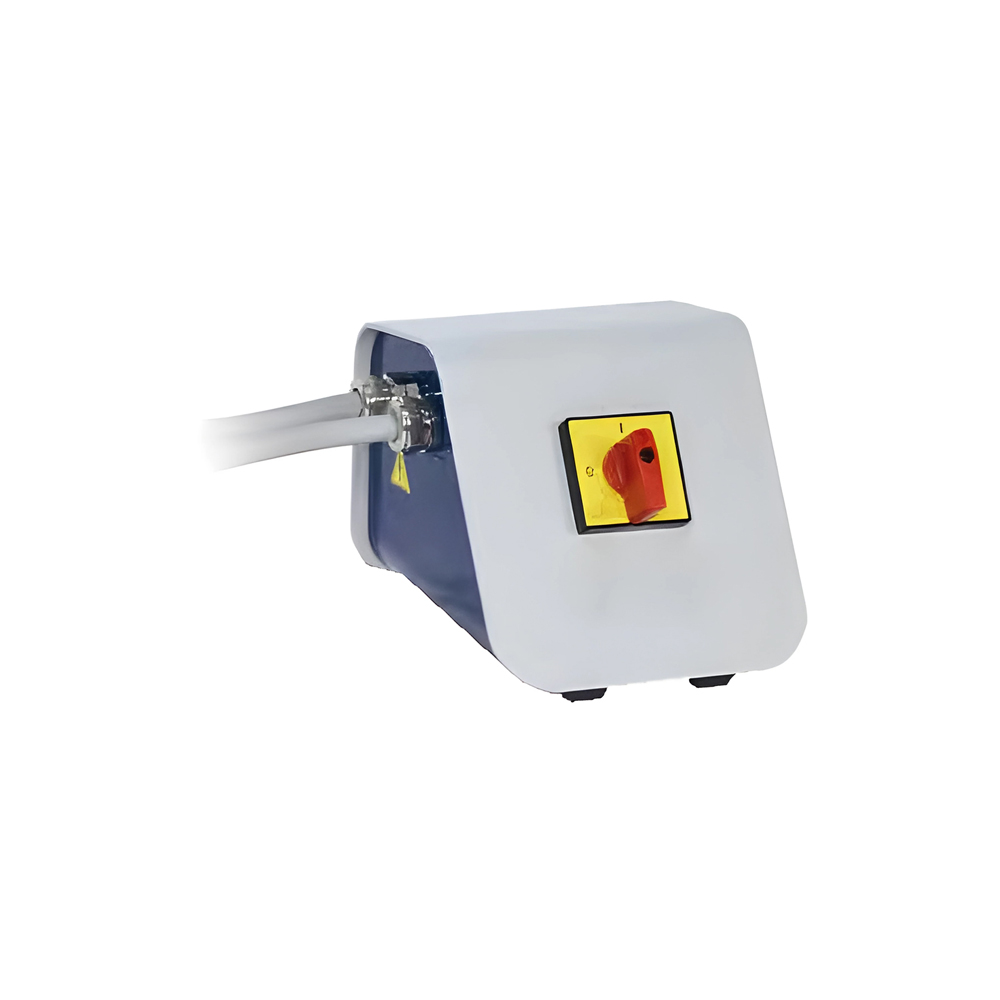
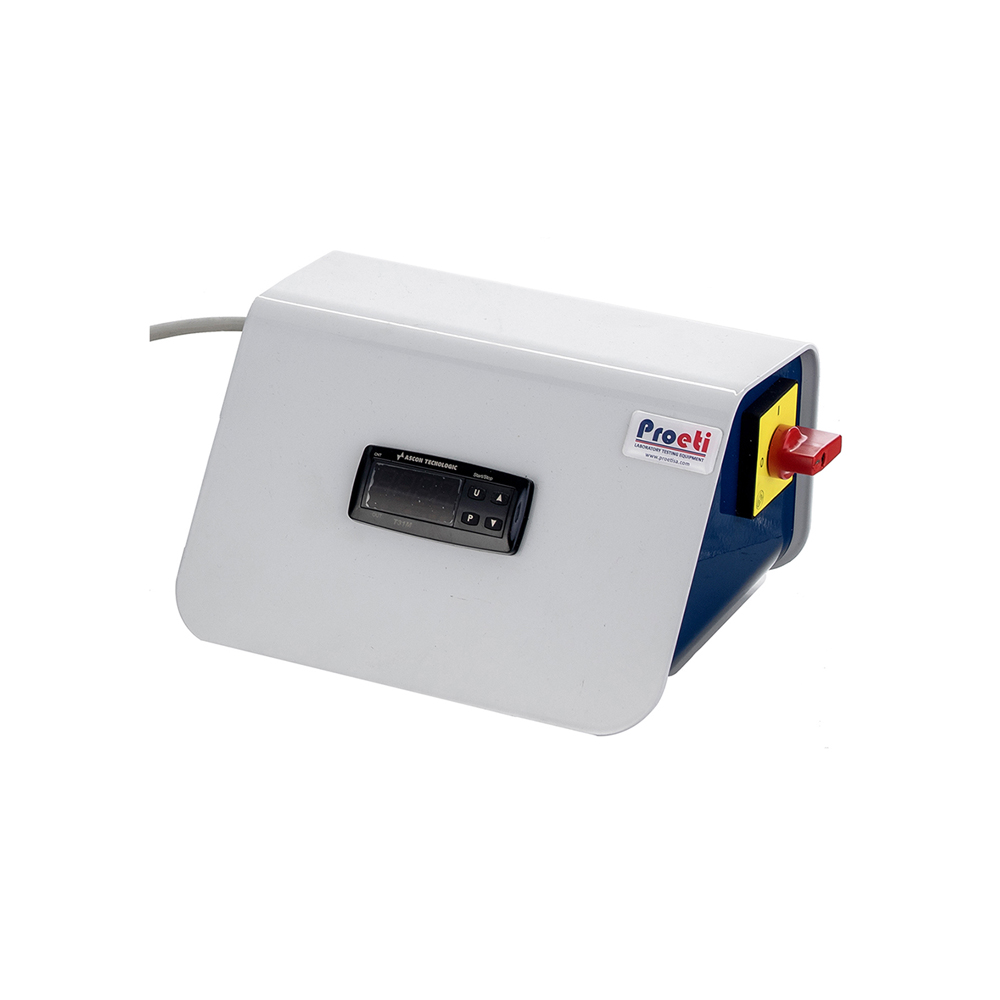
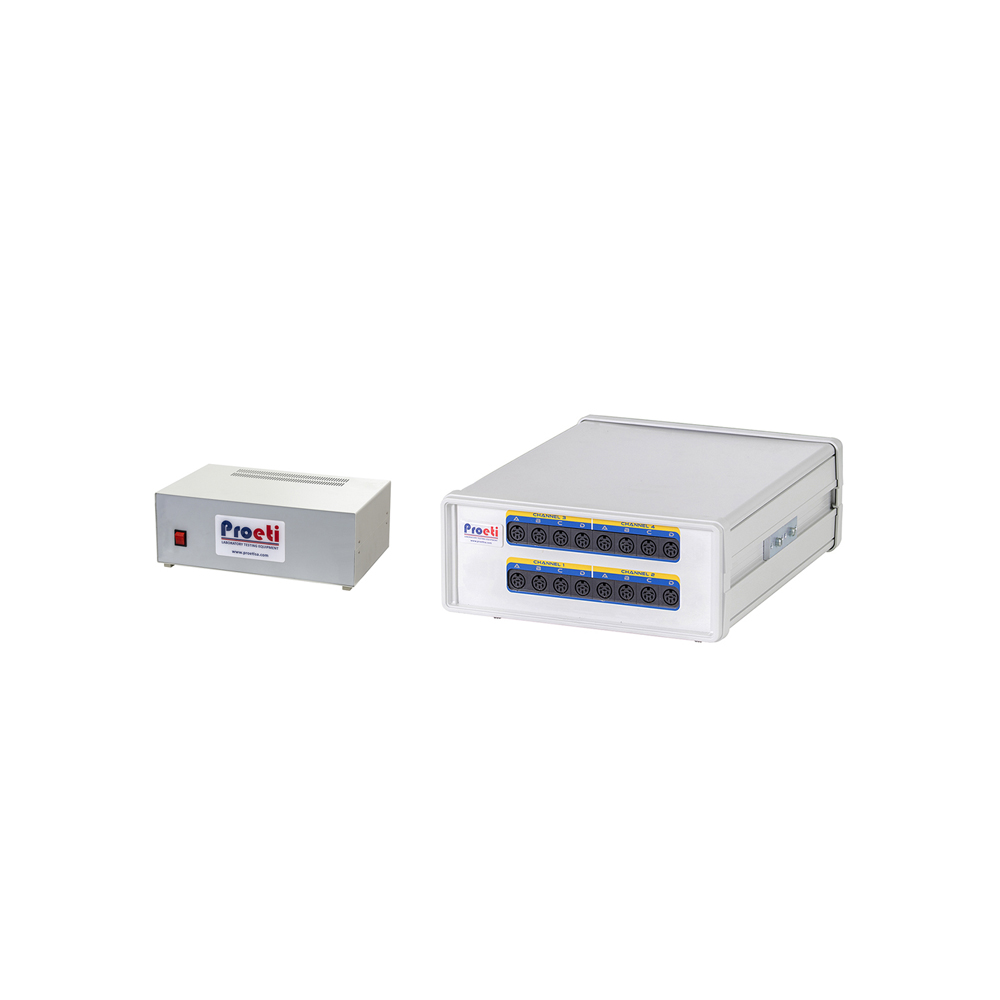
The data acquisition units connect to a computer and pass on the readings in real time; the digital control module, with touch screen, runs automatic and semi-automatic testing machines; and the CE control panel adds a switch and electrical protection to equipment that does not have them, to comply with the safety directive.
To get a price, click Budget on each product page and send one request with everything you need. If you would rather talk to us, write to us or call +34 916 28 29 40.
A sensor that converts movement into a proportional electrical signal, so that a data acquisition system can record it. Potentiometric transducers use a variable resistor; LVDTs use a magnetic core moving inside a set of coils without contact, so they do not wear and are very accurate.
A metal element fitted with strain gauges that deforms very slightly under force and gives an electrical signal proportional to it. It is the force sensor in testing machines and electronic balances.
Both measure displacement with the same resolution. The digital one reads without parallax error, can be zeroed at any point and in many models can send the data; the analogue one needs no battery and shows the trend at a glance.
To read several sensors at once (load, displacement, pressure) many times per second and store each reading with its time. This gives complete curves, such as the stress-strain curve, that would be impossible to record by hand.
All the laboratory supplies are in general equipment.