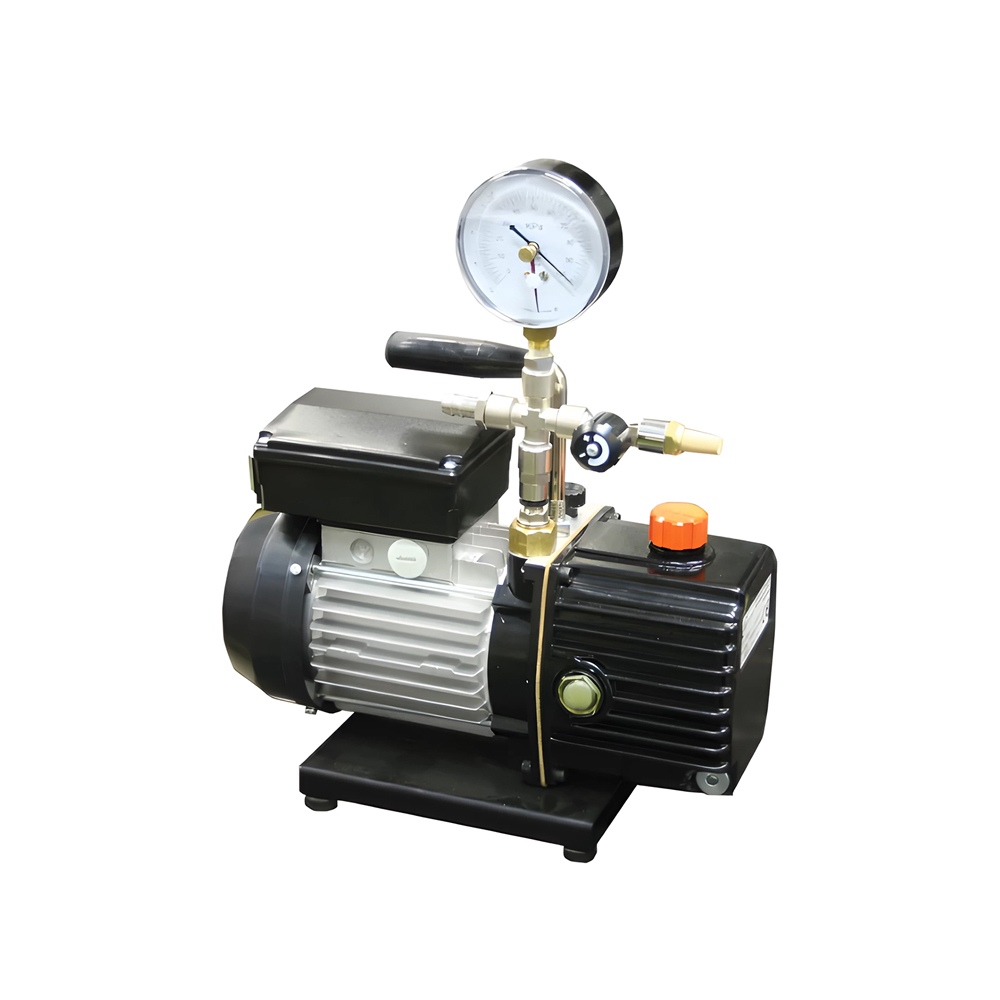
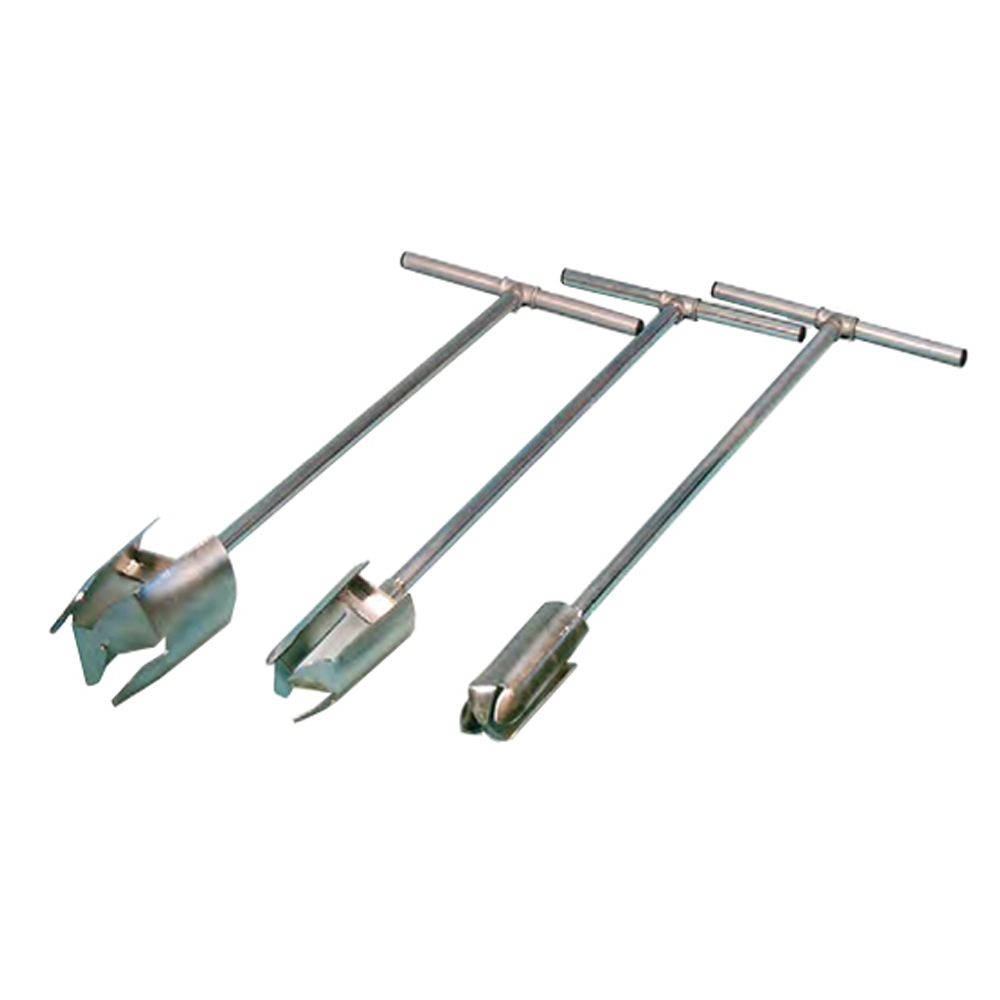
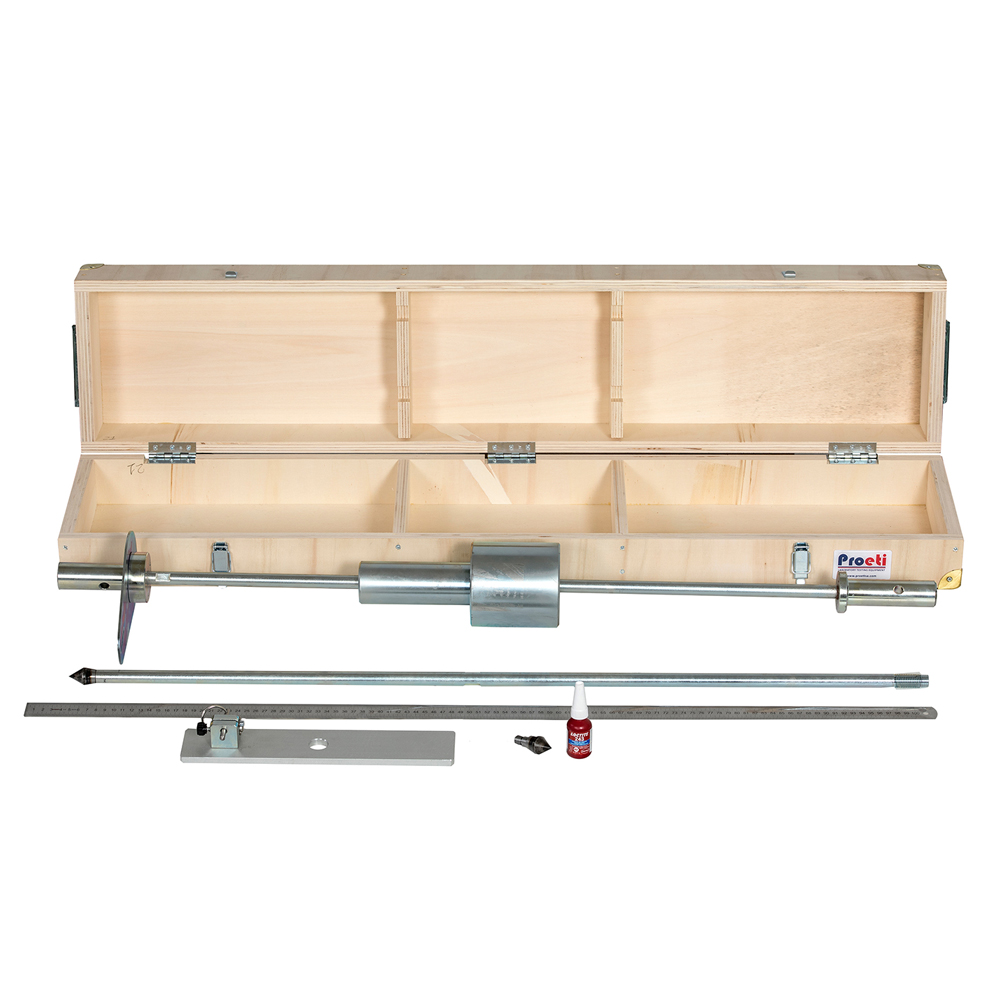
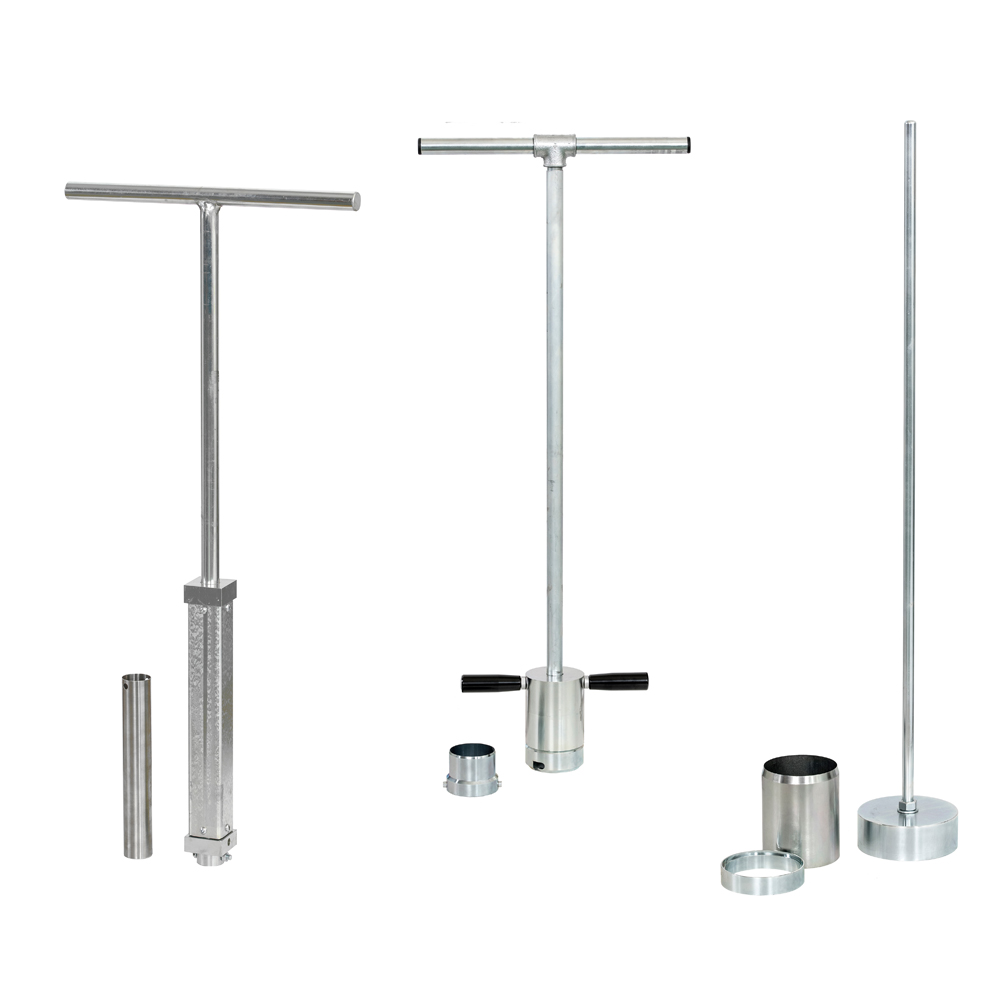
Before founding a building or laying out a road, you need to know what lies underneath: what the ground is made of, how much it compresses and how much water it lets through. To answer that, Proeti manufactures soil testing equipment: Atterberg limits, Proctor and CBR, oedometer, triaxial, permeameters and field density, to EN ISO 17892, ASTM and BS 1377. Tell us about your site investigation and we will advise you.
Laboratory soil tests are increasingly carried out to the EN ISO 17892 series, alongside ASTM and BS 1377. In Spain the national UNE 103 standards are still in use, the Building Technical Code (CTE DB SE-C) sets the tests a building site investigation needs and the PG-3 specification those for road works. The usual ones:
| What is measured | Equipment and standard |
|---|---|
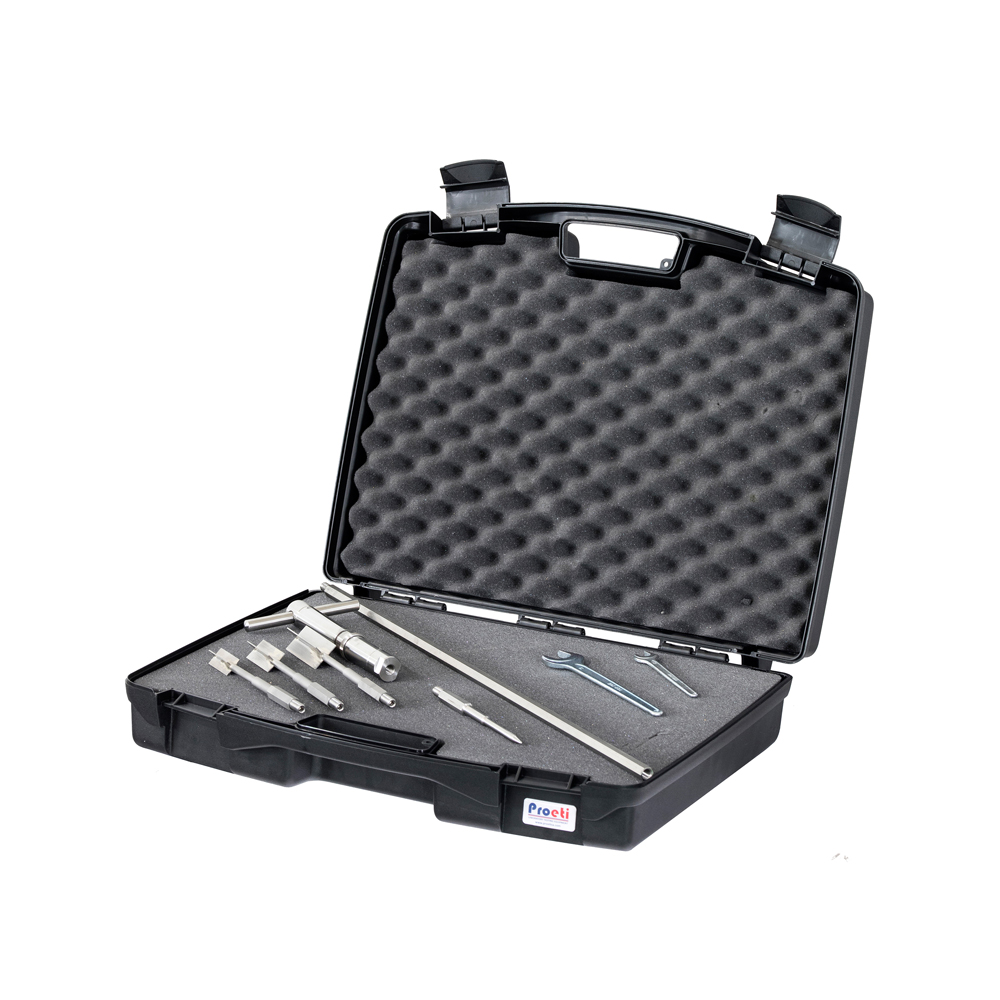
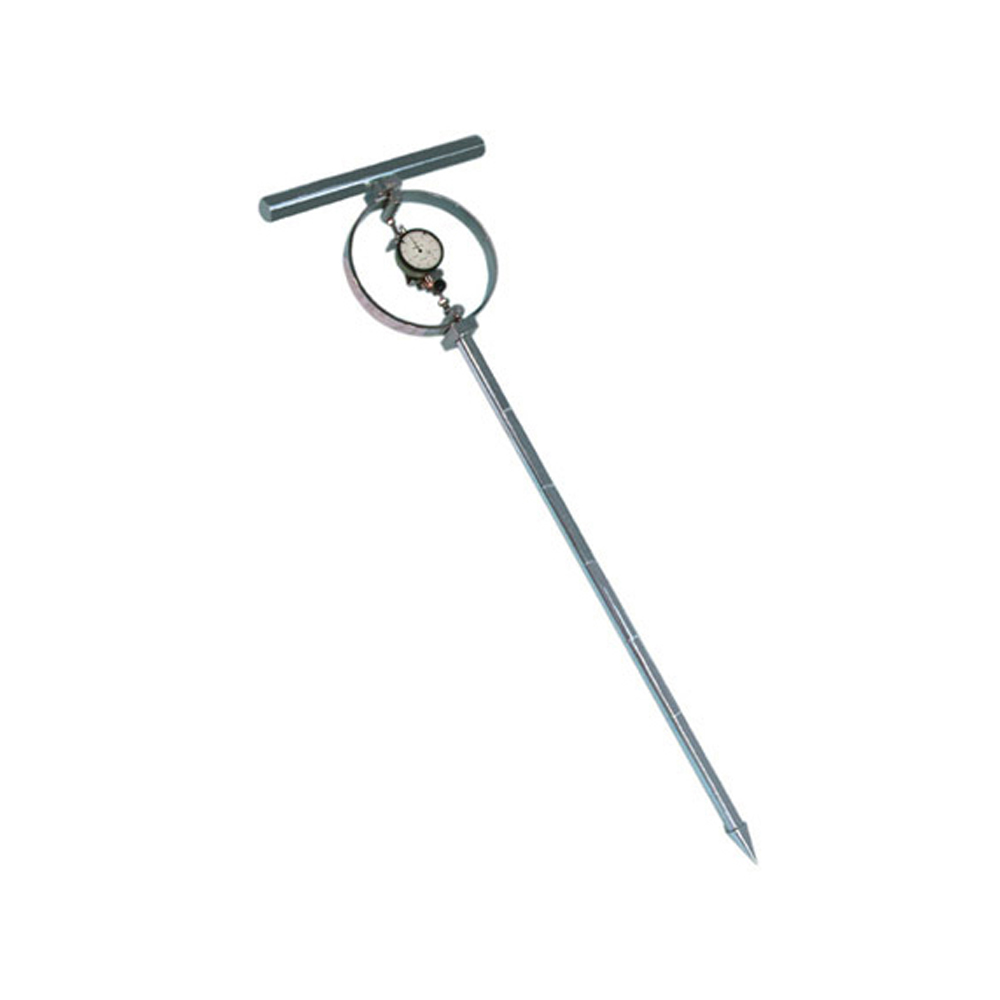
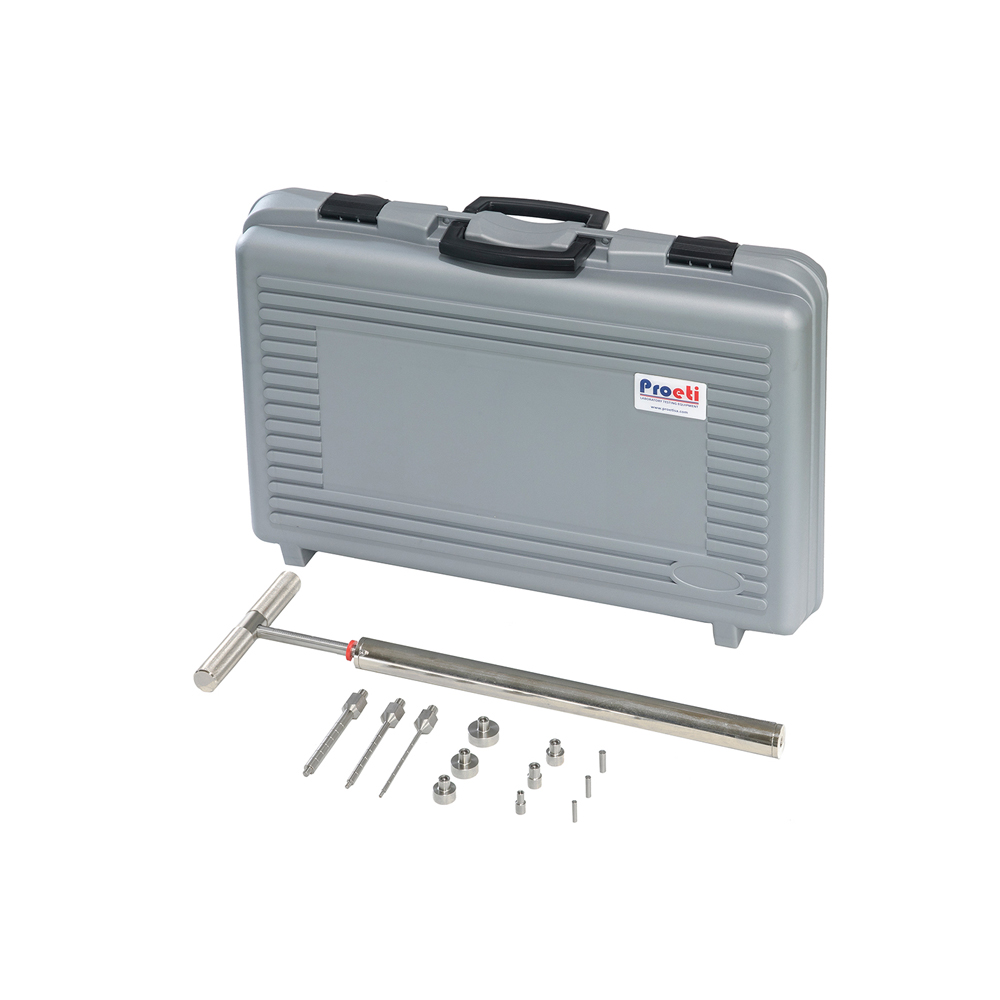
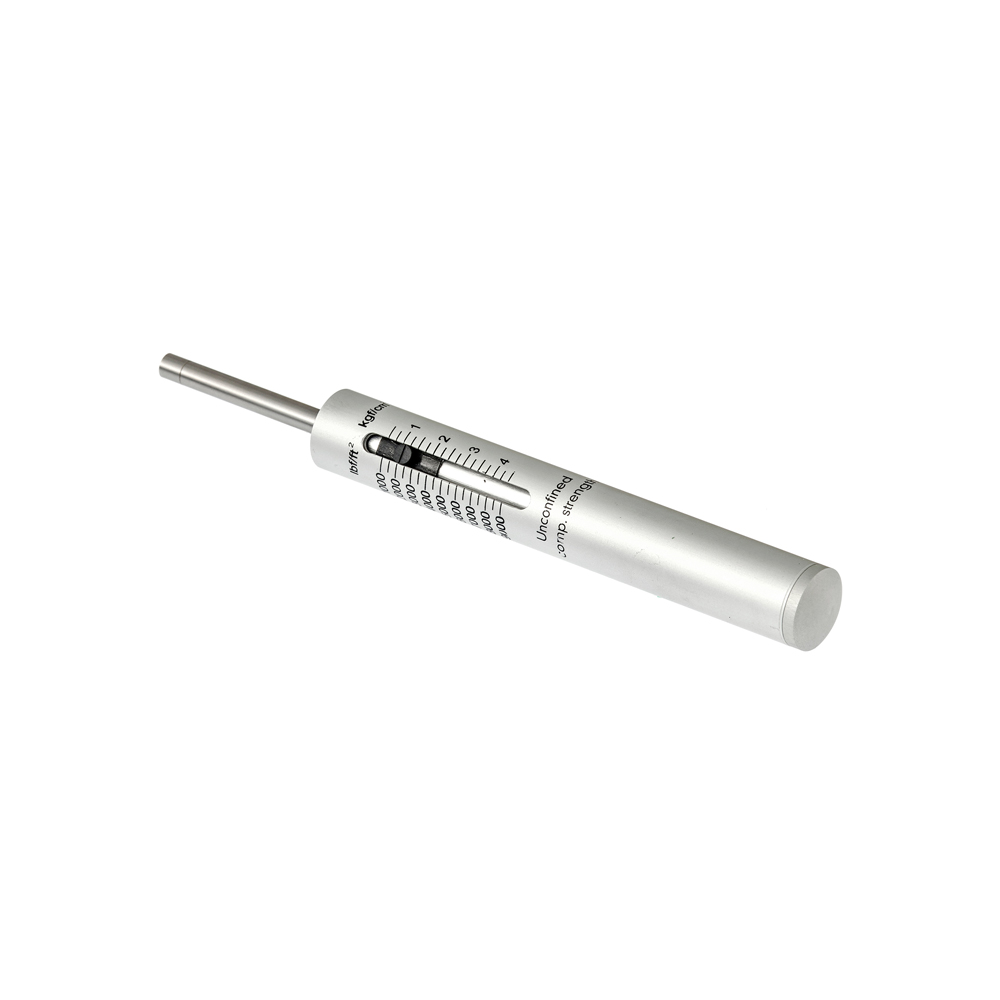
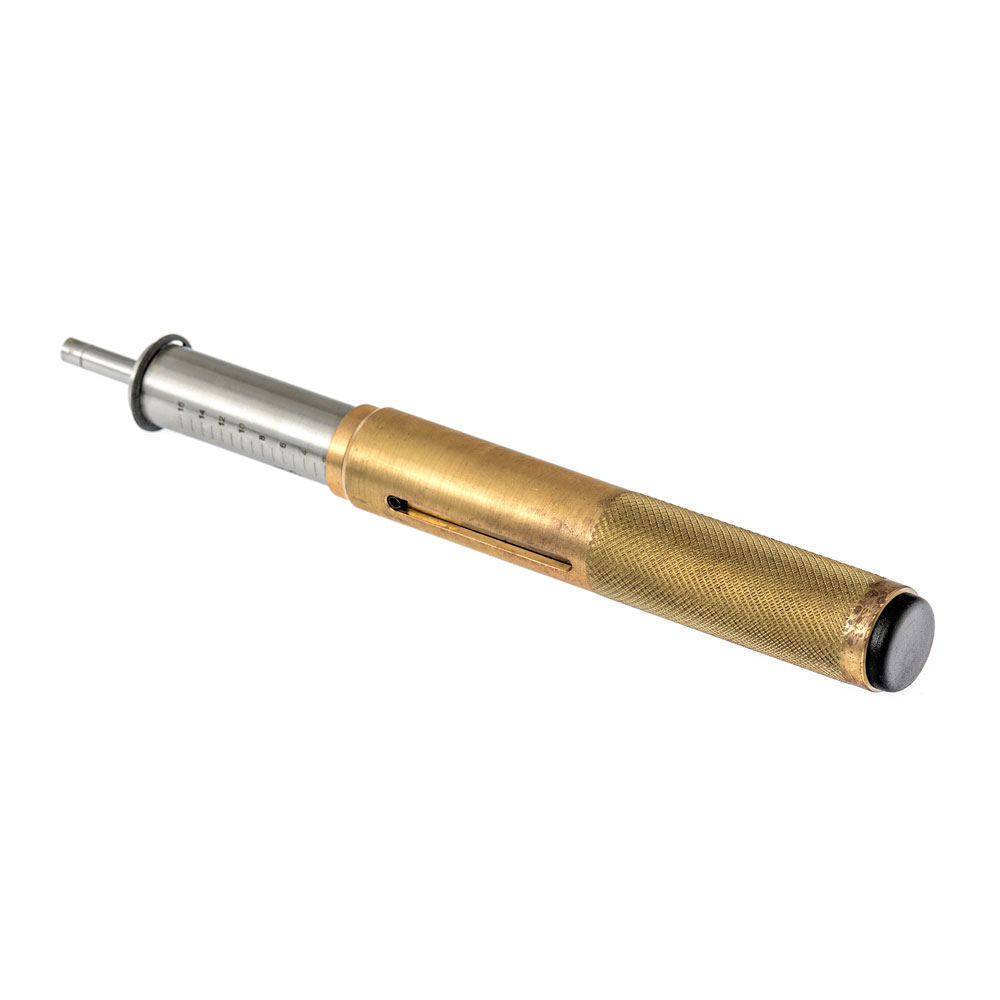
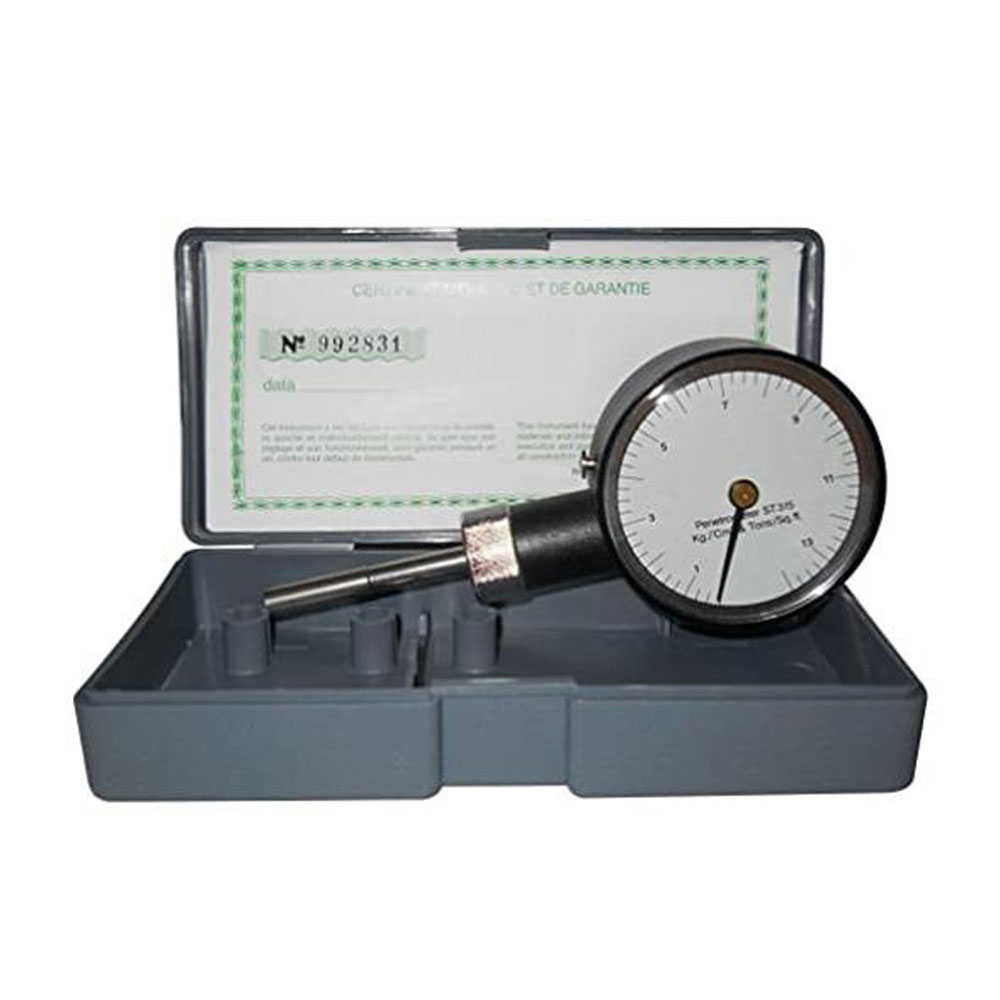
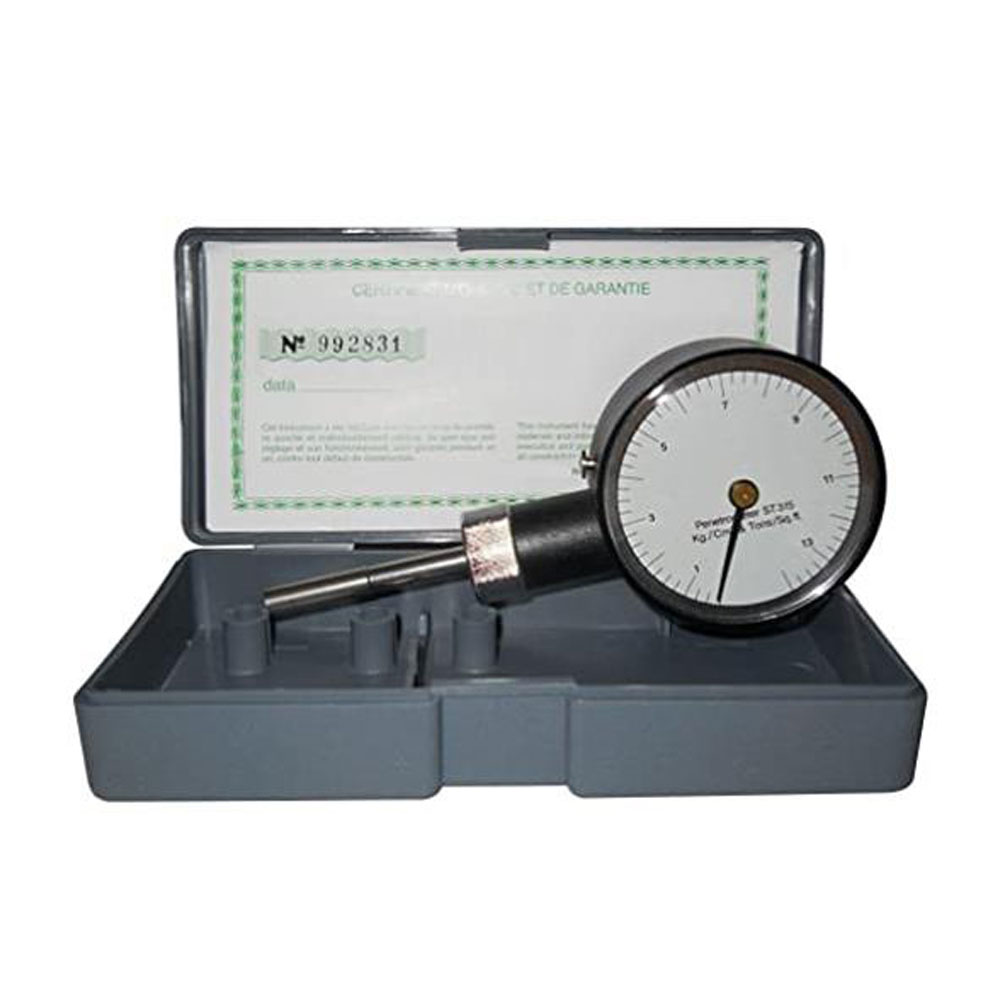
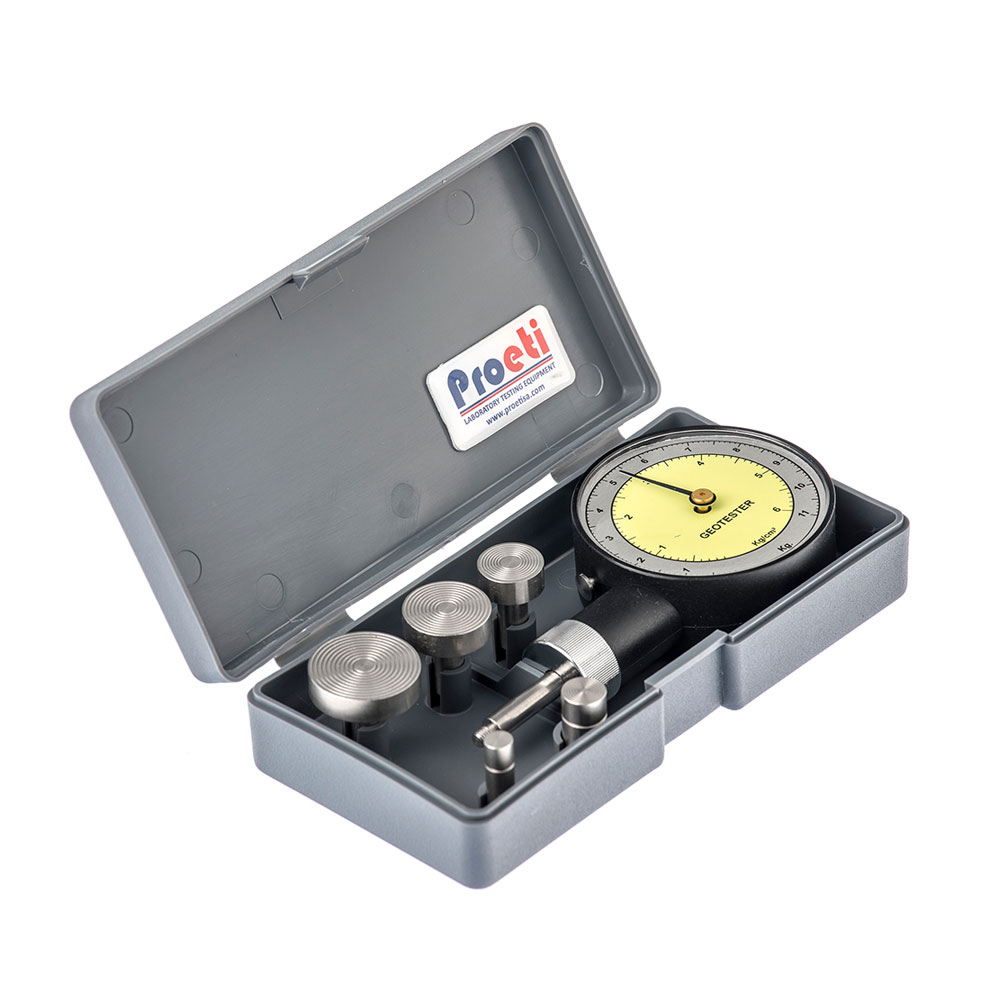
| Site investigation and sampling | Augers, samplers, pocket penetrometers and DCP (ASTM D1452, D6951) |
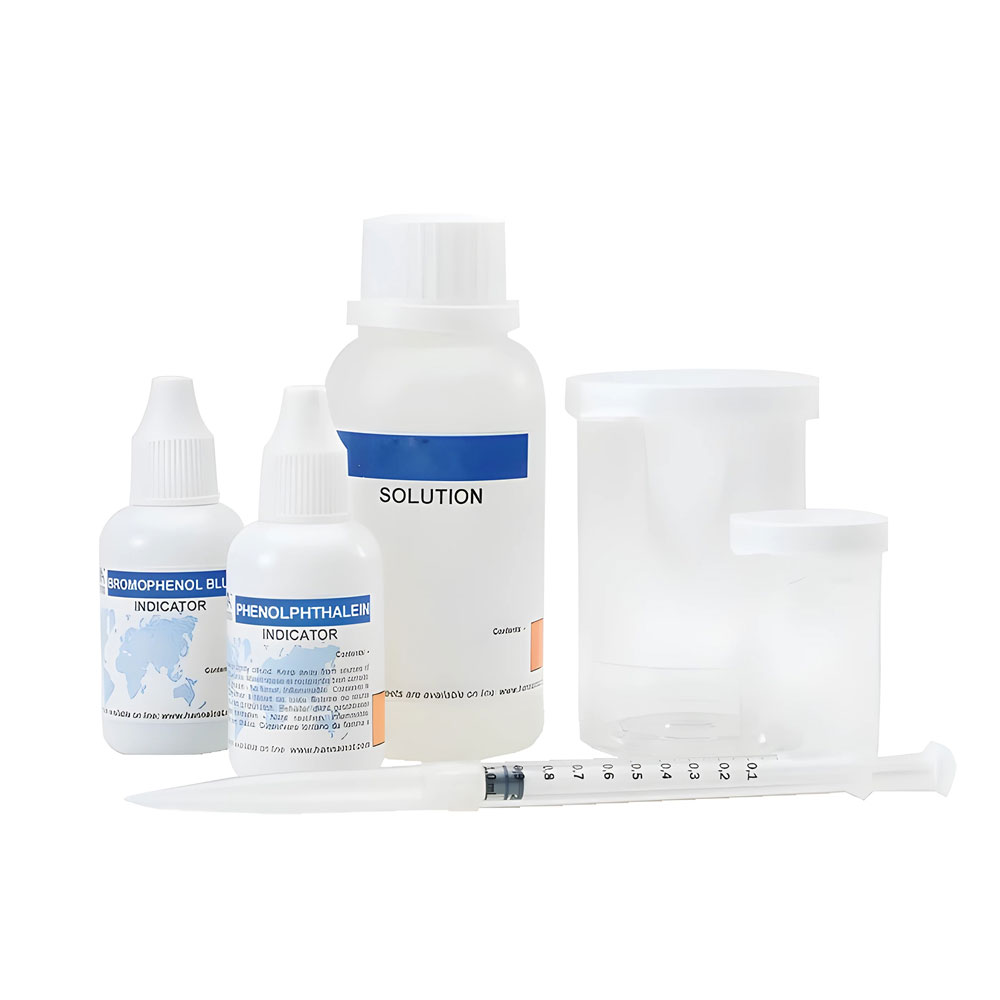
| Particle size of fines | Hydrometer and pipette method (ASTM D422) |
| Atterberg limits | Casagrande cup and cone penetrometer (EN ISO 17892-12) |
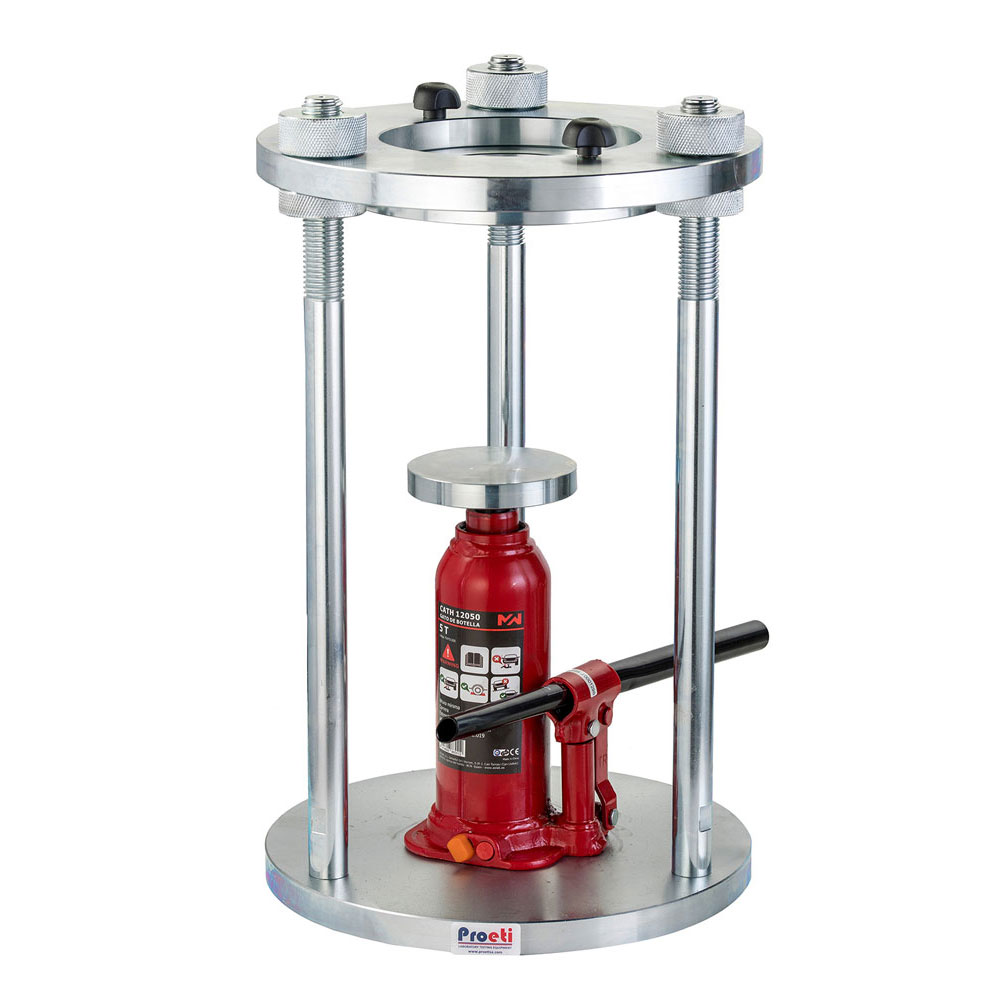
| Compaction and bearing capacity | Proctor moulds, CBR sets and CBR press (ASTM D698, D1557, D1883; Spanish UNE 103500 to 103502) |
| Field density | Sand replacement, rubber balloon densometer and nuclear gauge (ASTM D6938; Spanish UNE 103503) |
| Consolidation | Oedometer (EN ISO 17892-5) |
| Shear strength | Triaxial cell and pressure systems (EN ISO 17892-8 and -9) |
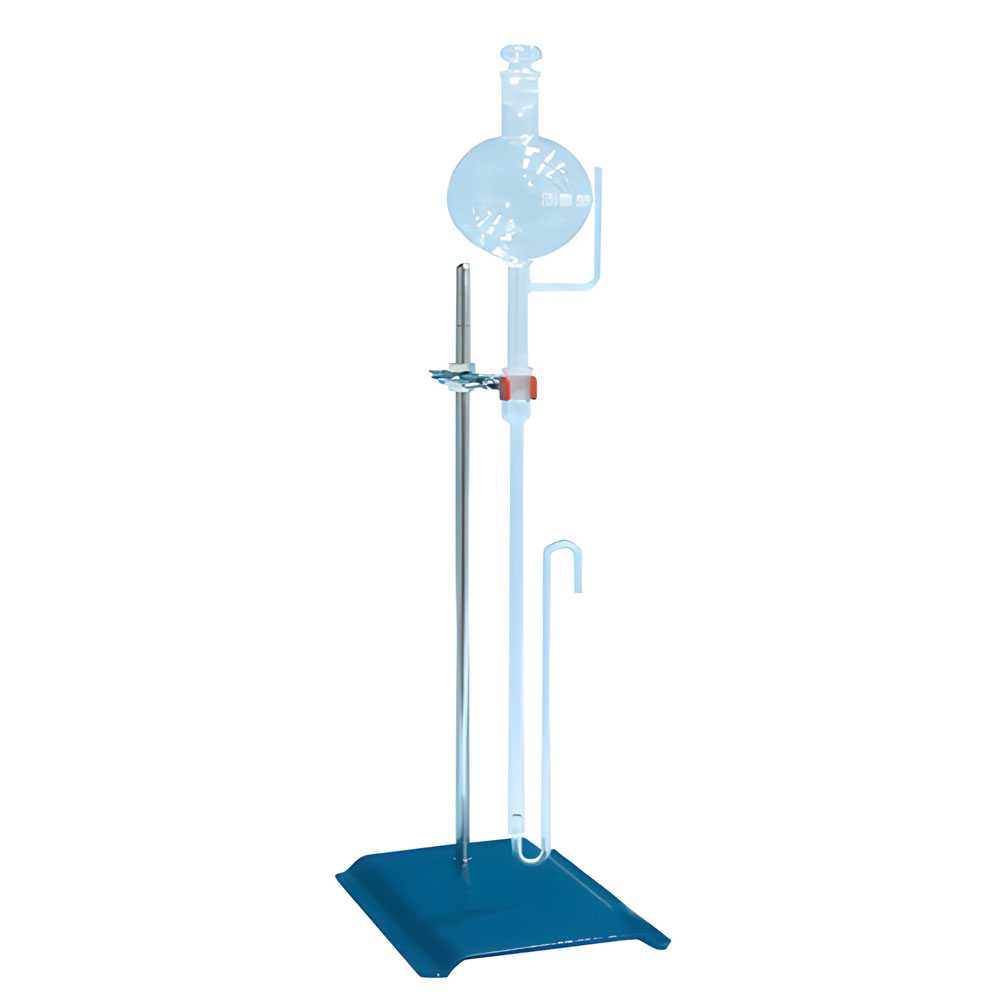
| Permeability | Constant and falling head permeameters (EN ISO 17892-11) |
| Bearing capacity on site | Static and dynamic plate load test (Spanish UNE 103808 and 103807-2) |
Each group has its own section: soil classification, particle and property analysis, Proctor and CBR, density and moisture, soil mechanics and permeability and slurries. Automatic consolidation, shear and triaxial systems are in Soilmatic.
To get a price, click Budget on each product page and send one request with everything you need. If you would rather talk to us, write to us or call +34 916 28 29 40.
Index tests (moisture content, particle size distribution, Atterberg limits, density, organic matter, sulphates) and behaviour tests (unconfined compression, direct shear, triaxial, oedometer, permeability, swelling and collapse). For earthworks, the Proctor and CBR tests are added.
The report that describes the ground at a site and provides the data to design the foundation: which layers there are, where the water is, how much load the soil can take and how much it will settle. In Spain it is compulsory for buildings under the Building Technical Code, and it combines boreholes, field tests and laboratory tests.
For laboratory tests, the EN ISO 17892 series, which is progressively replacing the national standards in Europe. In Spain, the UNE 103 standards (index tests, compaction, CBR, field density, oedometer, shear) are still used, and the CTE DB SE-C and the PG-3 set which tests are required. Outside Europe, ASTM and AASHTO standards are used.
Field tests measure the ground in place, with its real structure and moisture: penetrometers, plate load tests, field density. Laboratory tests work on samples under controlled conditions, which makes it possible to measure properties you cannot see on site, such as consolidation or strength under different pressures.
Add the equipment to your request with the Budget button on each product page and send it. If you are setting up a geotechnical or construction quality-control laboratory, tell us which tests and standards you need to cover and we will put together the complete set of equipment.
For the aggregates used in granular layers, see aggregates and rocks.