Quicklime is judged by how it heats up when slaked; a render mortar, by how it lets water vapour through; a grout, by how it flows. This section groups our lime testing equipment with the apparatus for mortars and grouts: reactivity, bulk density, slaking yield, PAT expansion, vapour permeability and flow, to EN 459-2, EN 1015-19, EN 13395-2 and EN 445. Ask us about the test you have been asked for.
| Test | Equipment | Standard |
|---|---|---|
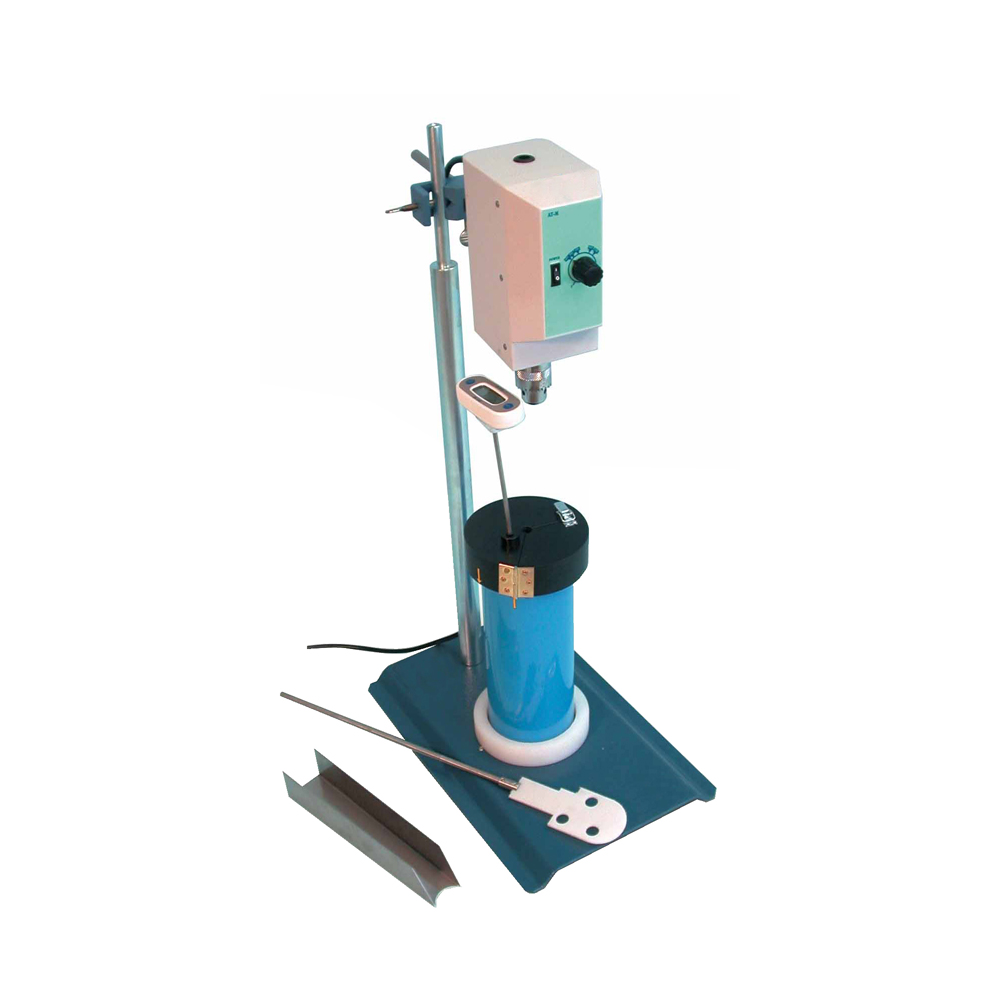
| Quicklime reactivity | Dewar flask with stirrer at 300 rpm and digital thermometer | EN 459-2 |
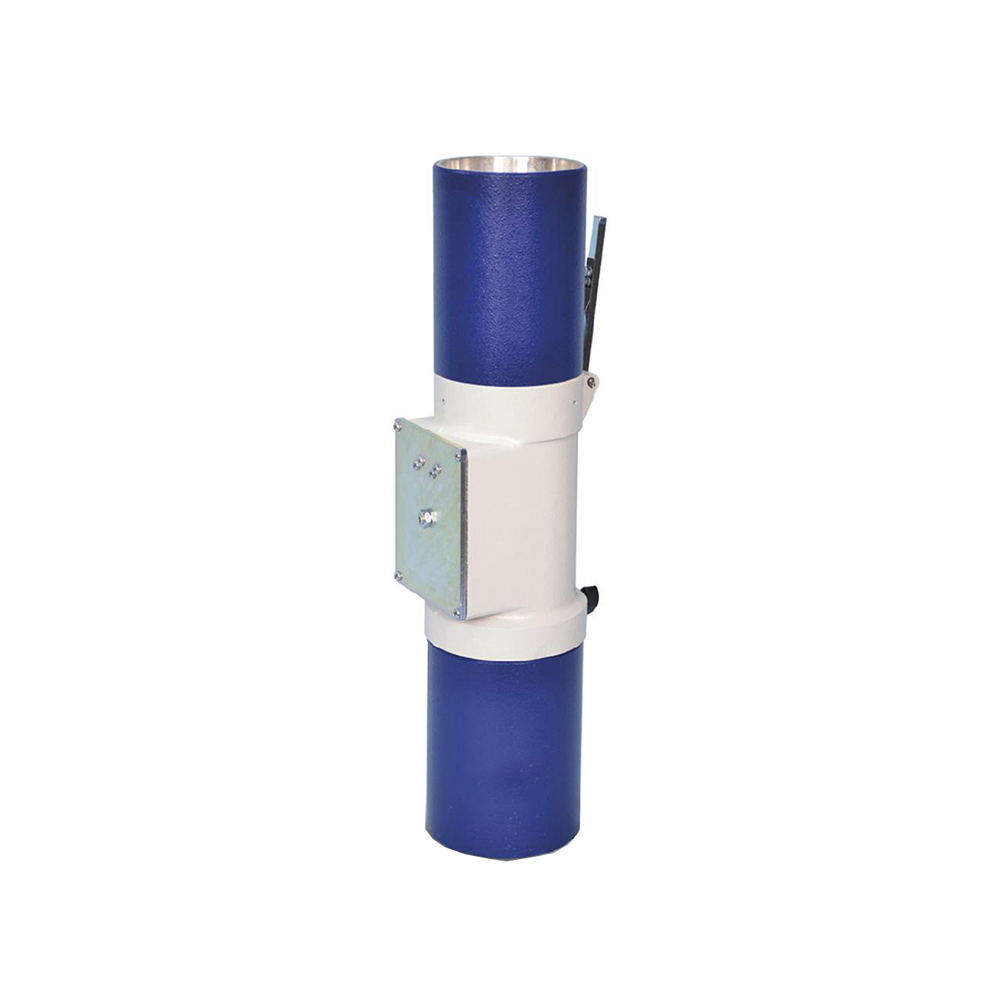
| Bulk density | Hopper and 1 l container with trap door | EN 459-2 |
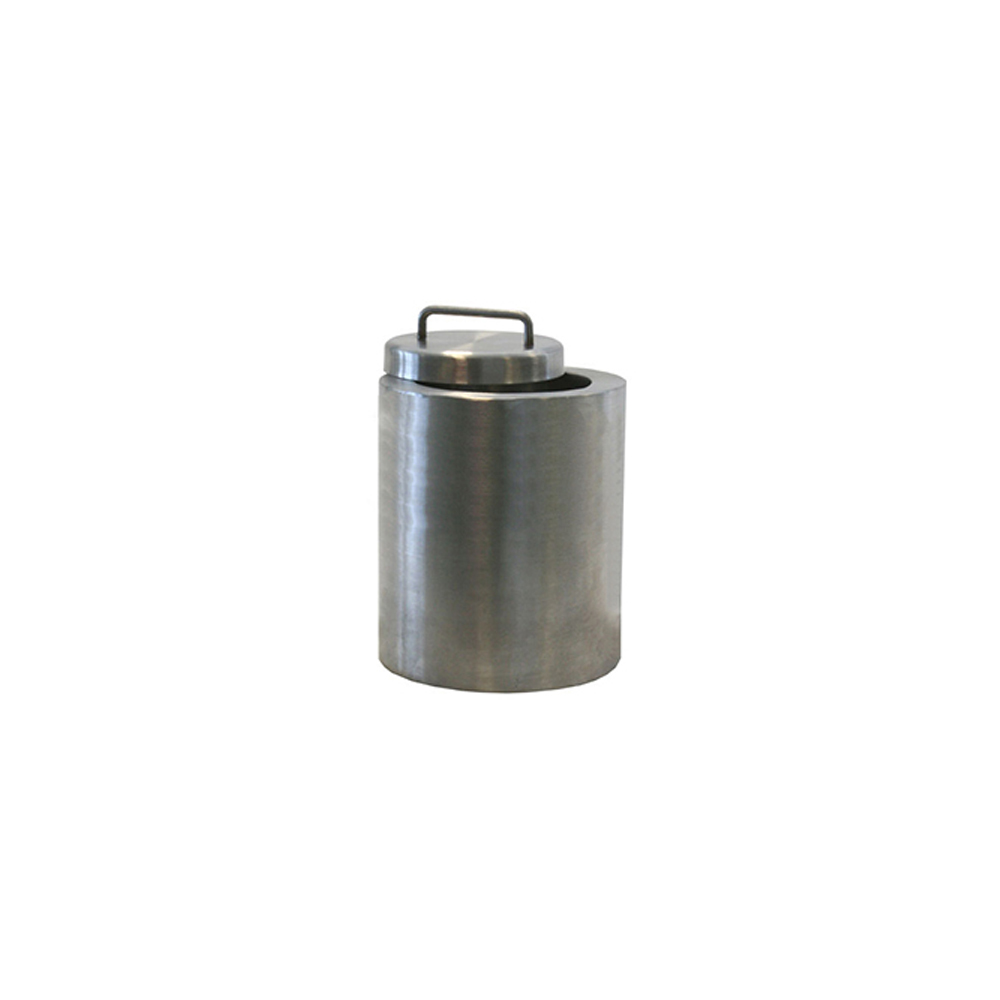
| Slaking yield | Insulated double-walled vessel | EN 459-2 |
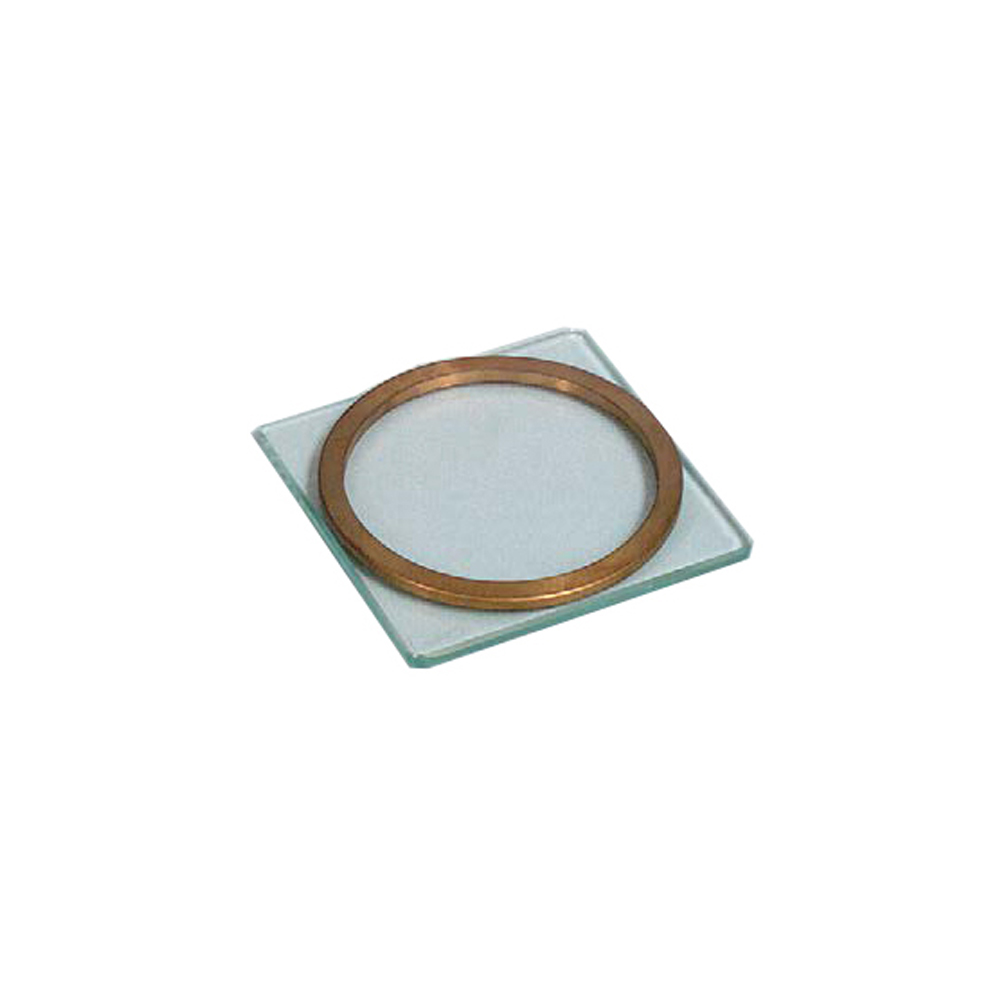
| Expansion | PAT test (ring on a glass plate) | EN 459-1, BS 890 |
| Test | Equipment | Standard |
|---|---|---|
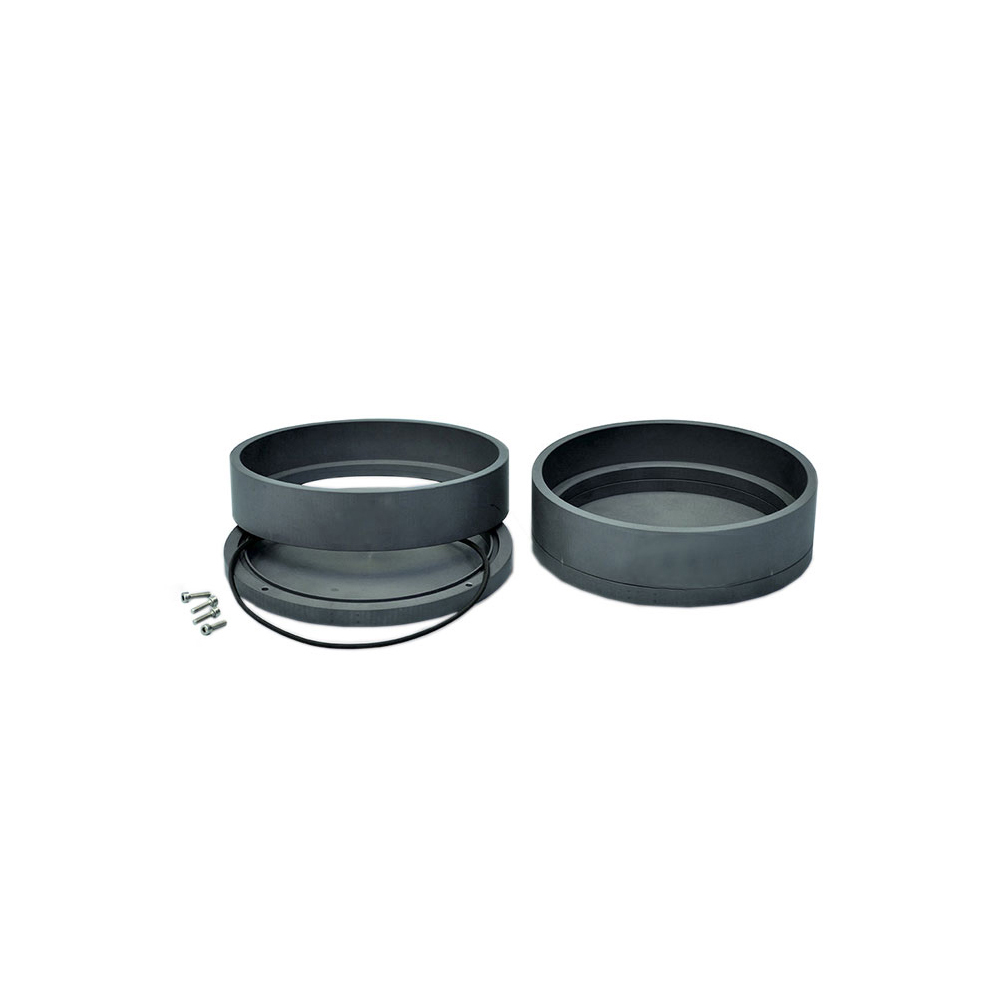
| Water vapour permeability | PVC test cell of about 0.02 m² | EN 1015-19 |
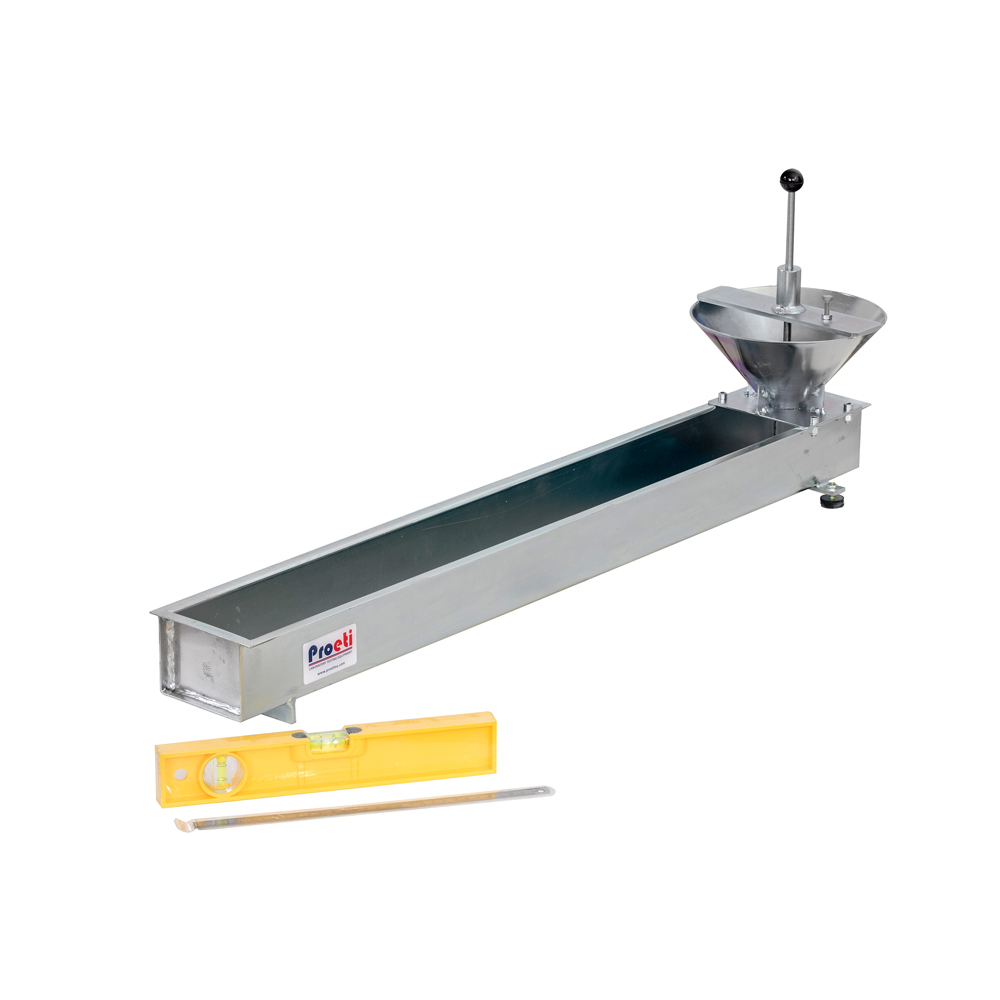
| Flow of repair mortars | Flow trough with funnel and graduated rule | EN 13395-2 |
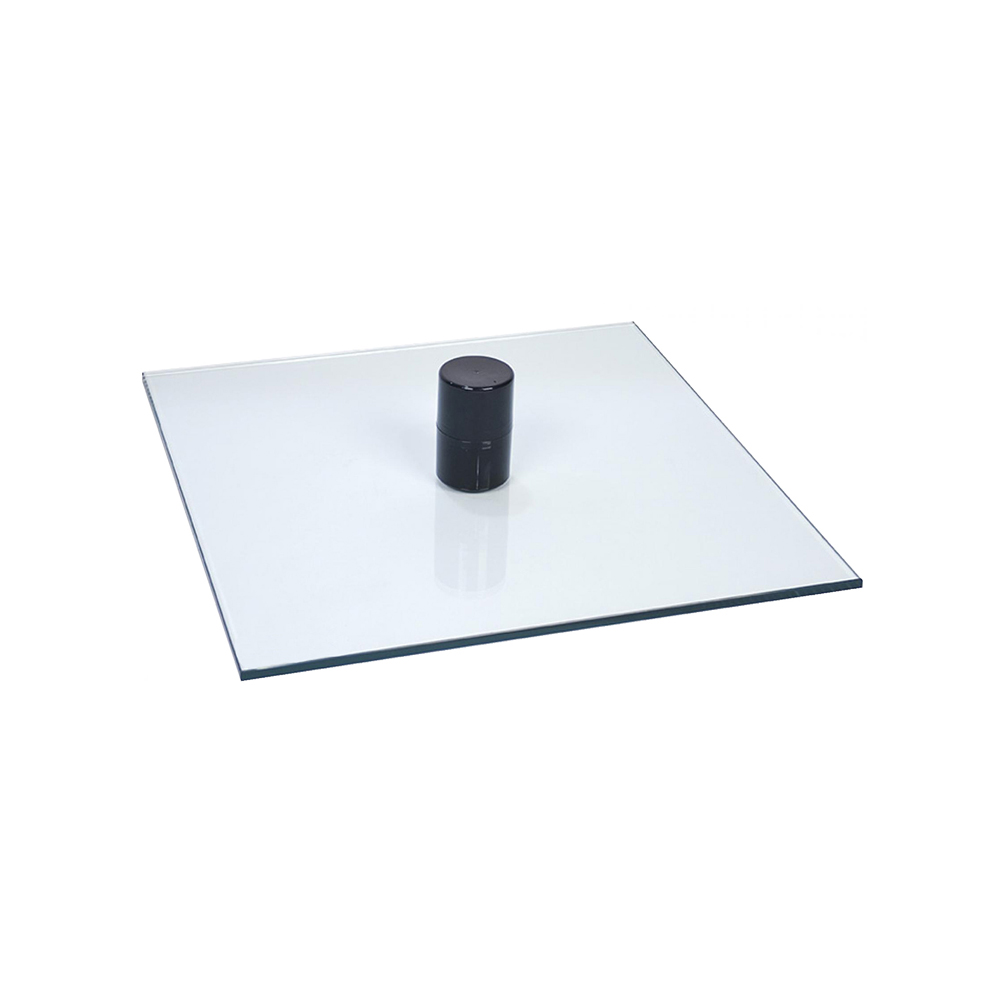
| Flow of thixotropic grouts | Mould and glass plate: the spread diameter is measured | EN 445 |
The consistence and air content of these mortars are measured with the flow table and the air content meter, and their strength with 40×40×160 mm prisms.
To get a price, click Budget on each product page and send one request with everything you need. If you would rather talk to us, write to us or call +34 916 28 29 40.
EN 459-1 distinguishes air limes, which harden with CO₂ from the air (calcium limes, CL, and dolomitic limes, DL), from limes with hydraulic properties, which also harden with water (NHL, HL and FL). Air limes are sold as quicklime (Q) or hydrated lime (S).
How quickly it slakes: when added to water it heats up, and the temperature is recorded over time. A highly reactive lime rises in temperature within a few minutes. It matters in soil stabilisation, mortar production and industrial processes.
A fluid mixture of cement and water, sometimes with fine sand or admixtures, injected to fill voids: prestressing ducts, anchors, cracks, joints or the ground. It has to flow without segregating, so its fluidity, bleeding and volume change are tested.
Because a render has to let moisture out of the wall. If it is not permeable enough, water is trapped and stains, efflorescence or detachment appear; that is why lime mortars, which are more breathable, are preferred in refurbishment.
All the equipment for cement, mortar and lime is in cements.