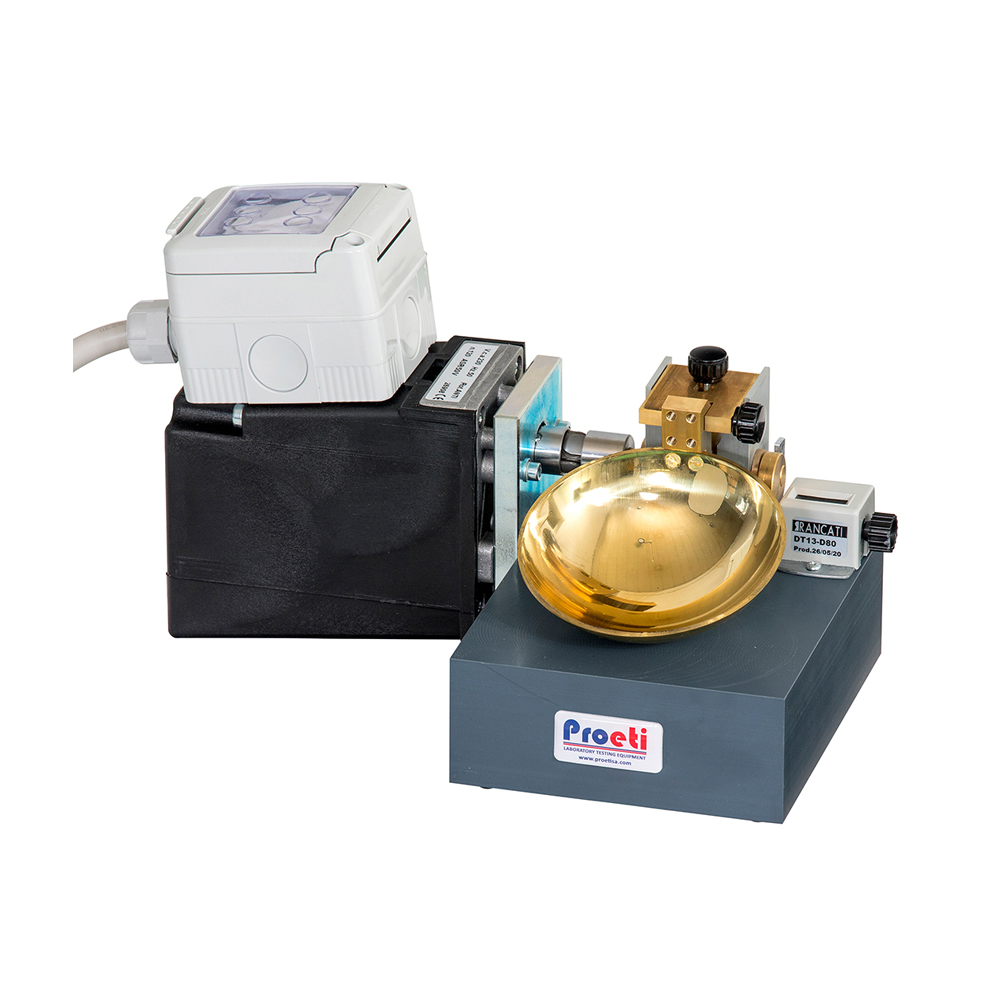
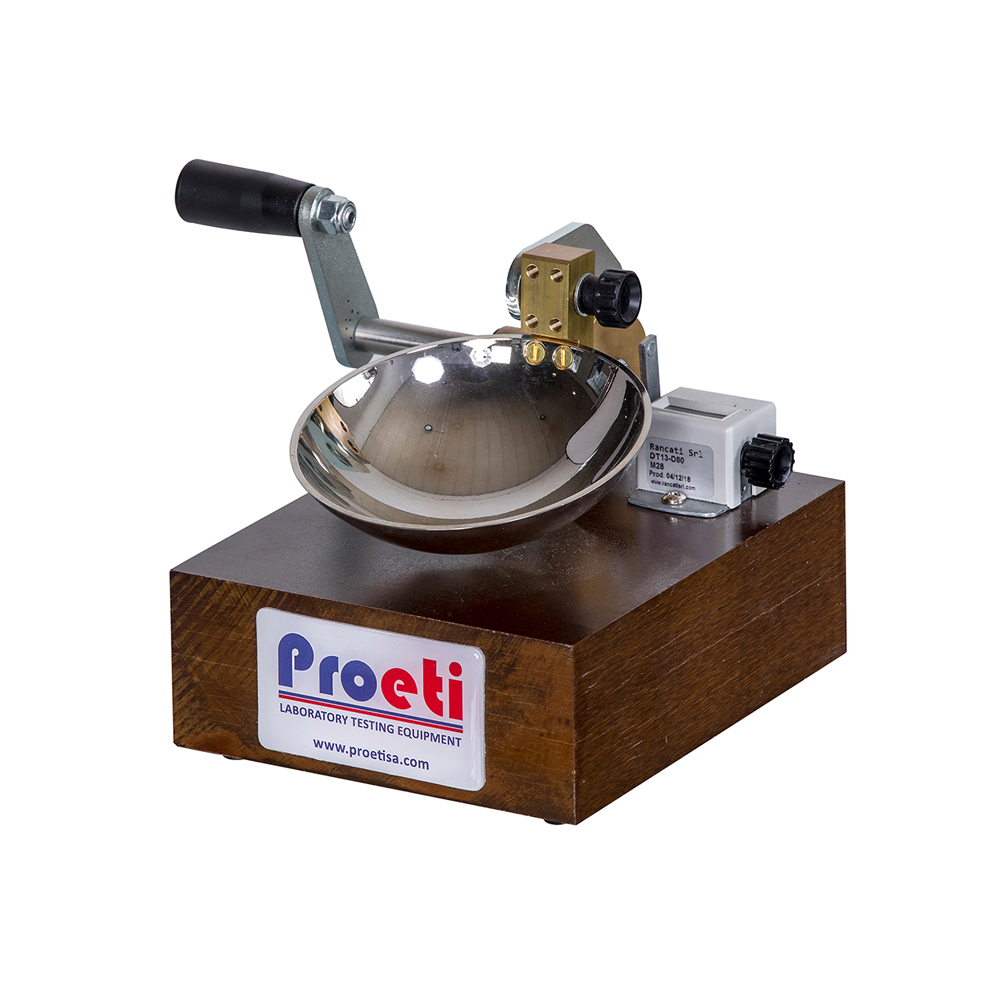
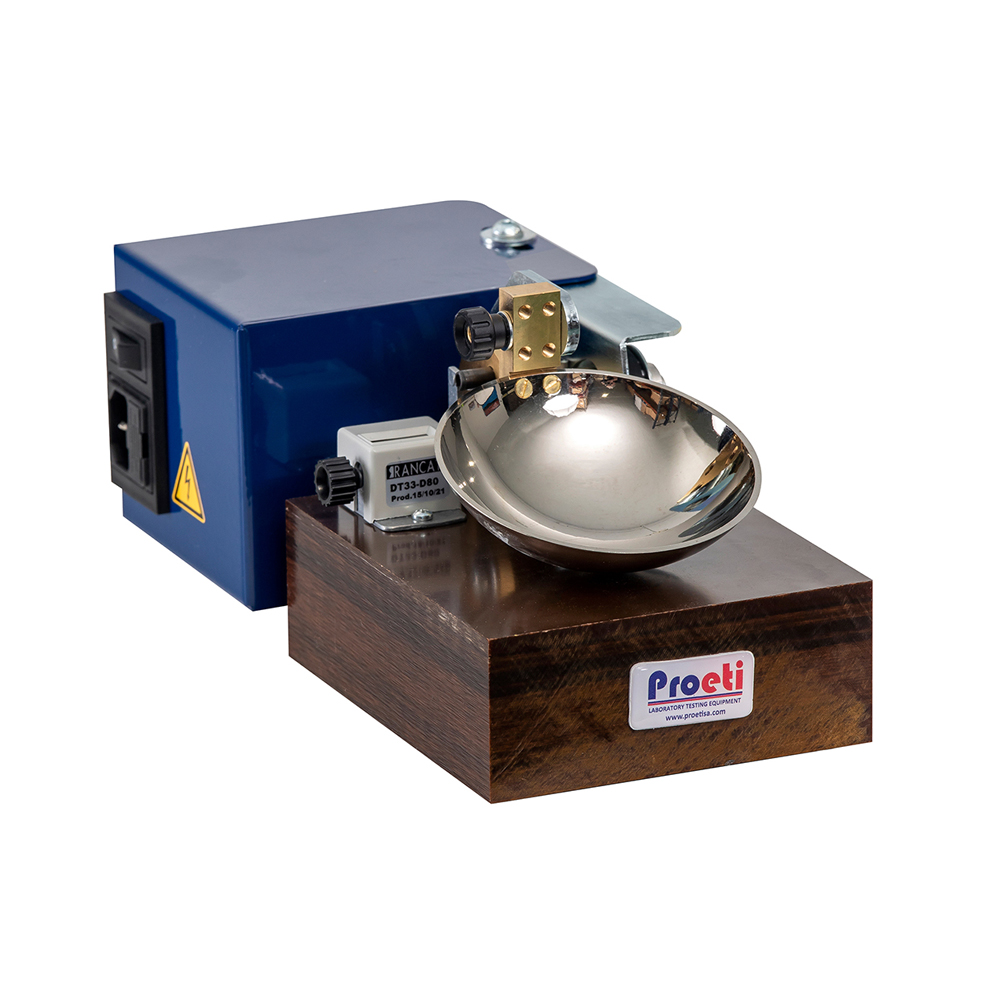
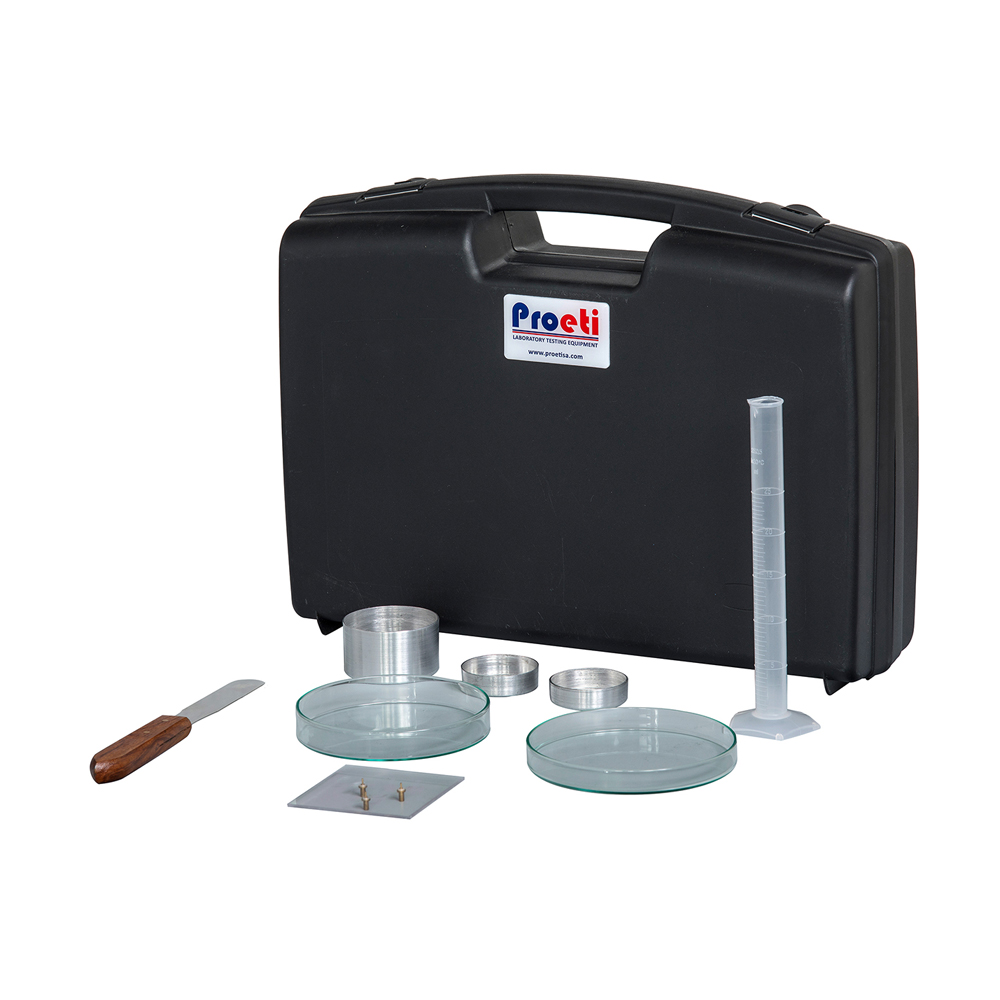
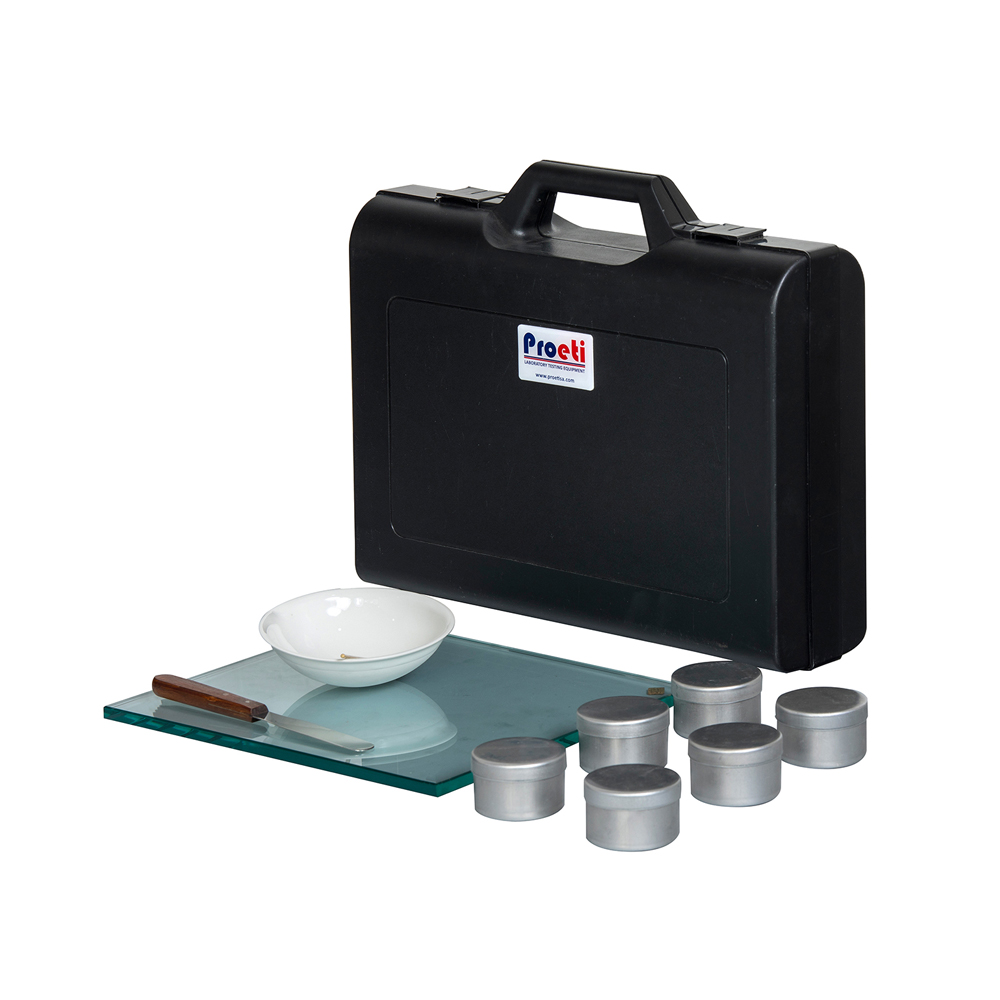
Liquid limit, plastic limit and shrinkage limit, plus the particle size of the fines: these are the data that classify a fine-grained soil. Our Atterberg limits apparatus covers manual and motorised Casagrande cups and cone penetrometers, alongside the hydrometer, pipette method, sand equivalent and kits for chlorides, sulphates and water quality, to ISO 17892, ASTM and BS. Not sure whether to choose Casagrande or cone? Write to us.
| Test | Equipment | Standard |
|---|---|---|
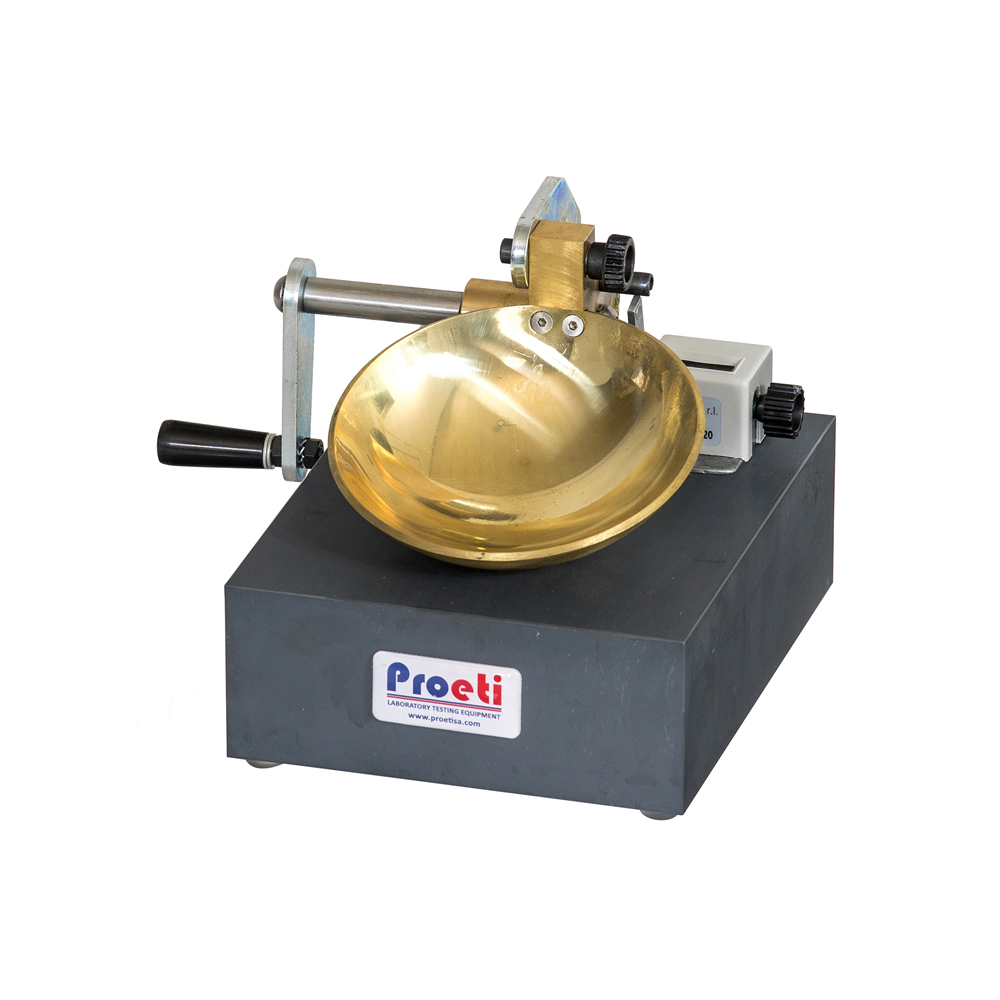
| Liquid limit | Manual or motorised Casagrande cup, also in an NF version | ASTM D4318 |
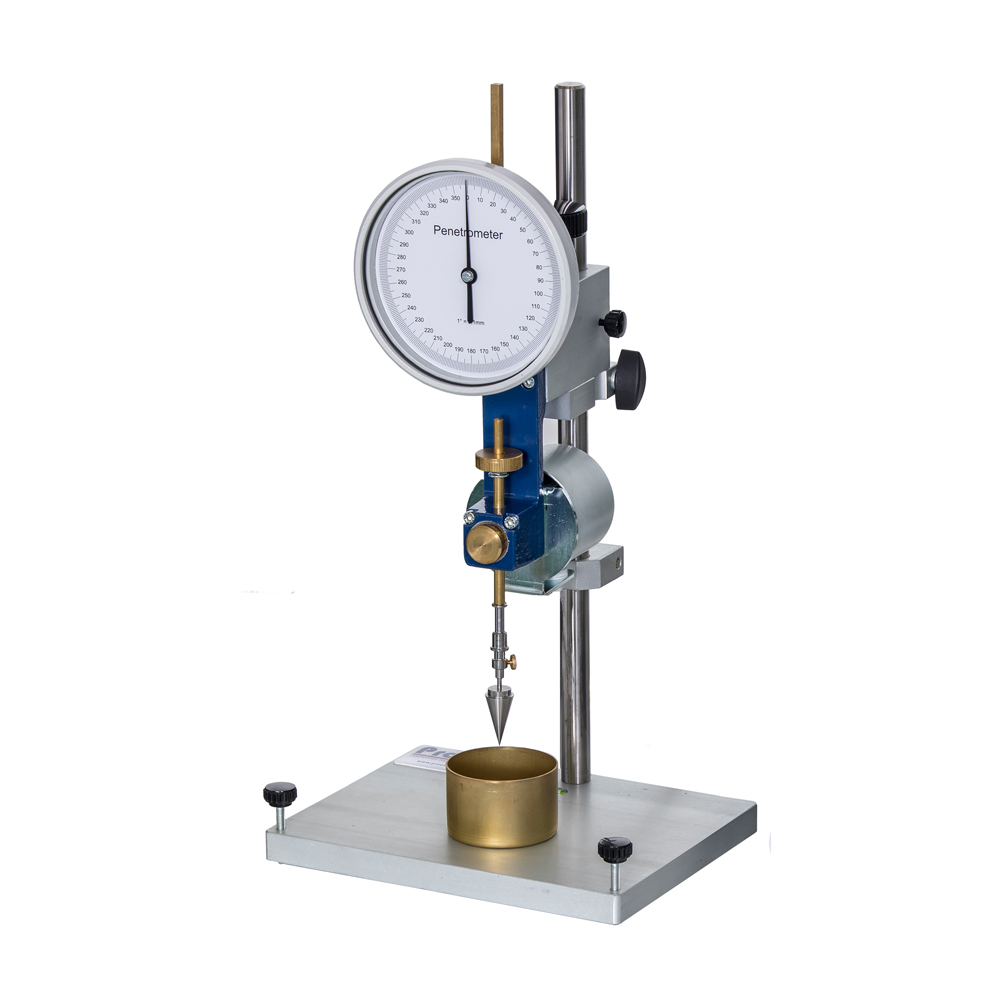
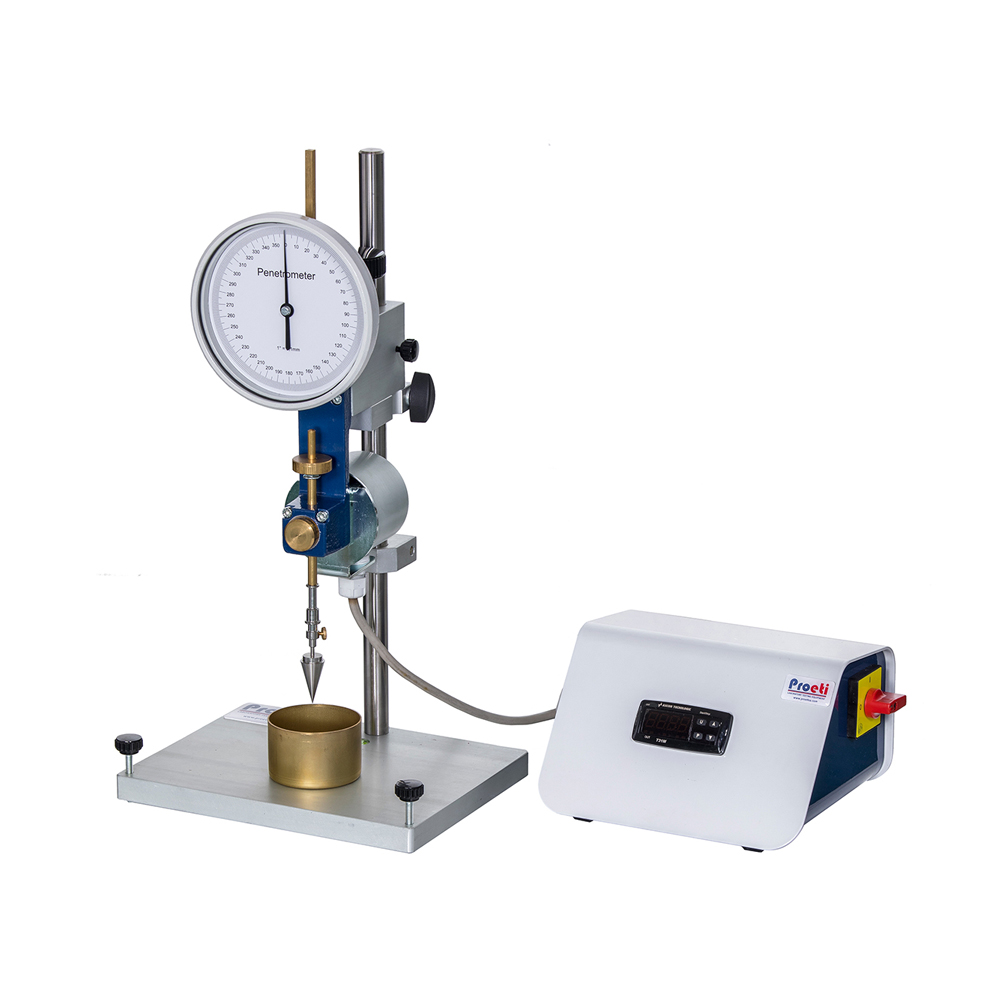
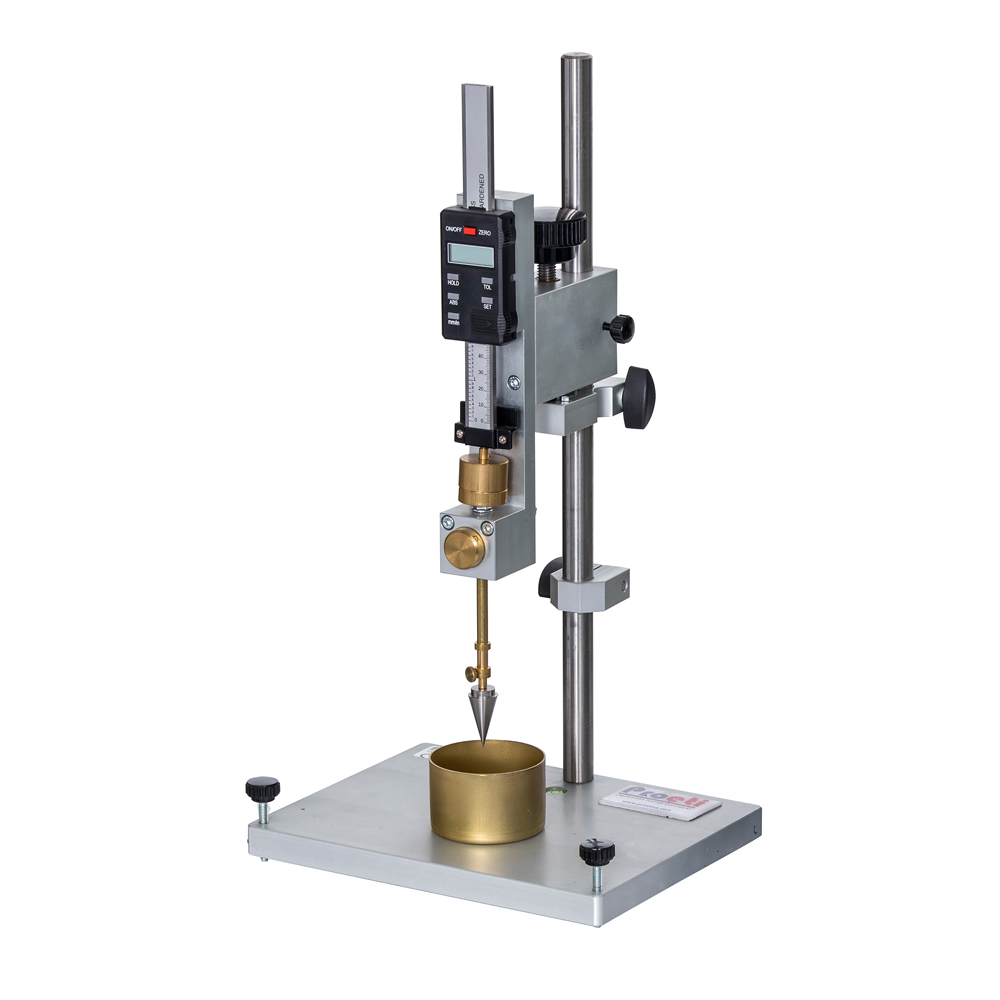
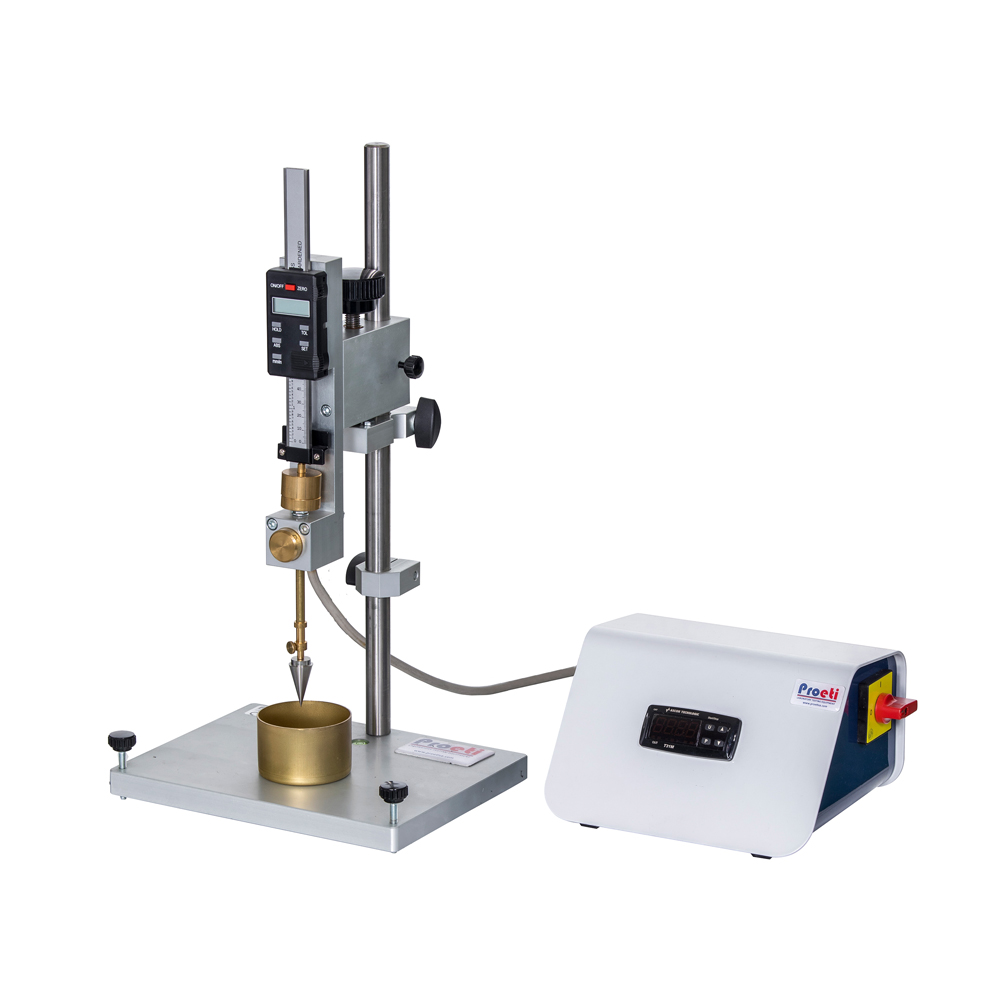
| Liquid limit by cone | Analogue or digital cone penetrometer, manual or semi-automatic | EN ISO 17892-12, BS 1377-2 |
| Plastic limit | Plate and accessories for the 3 mm thread | ASTM D4318 |
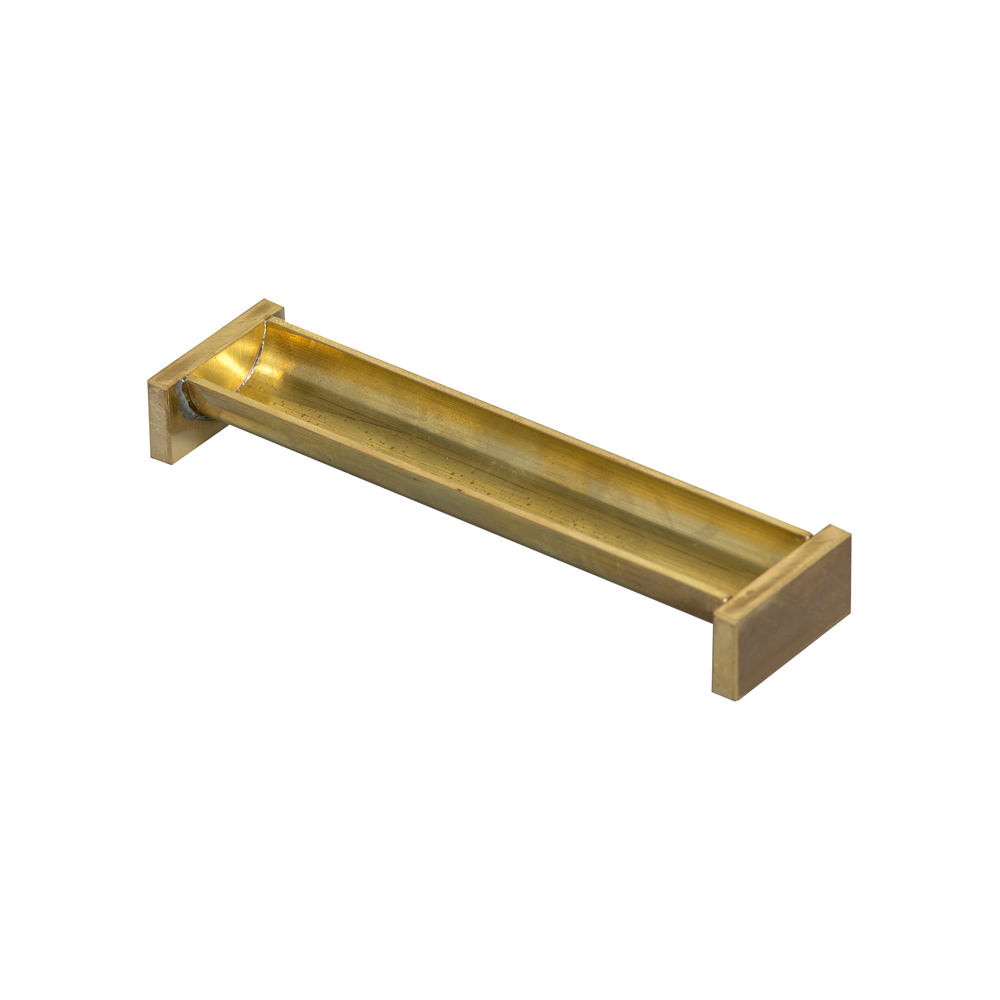
| Shrinkage limit | Shrinkage limit apparatus and linear shrinkage mould | ASTM D427 |
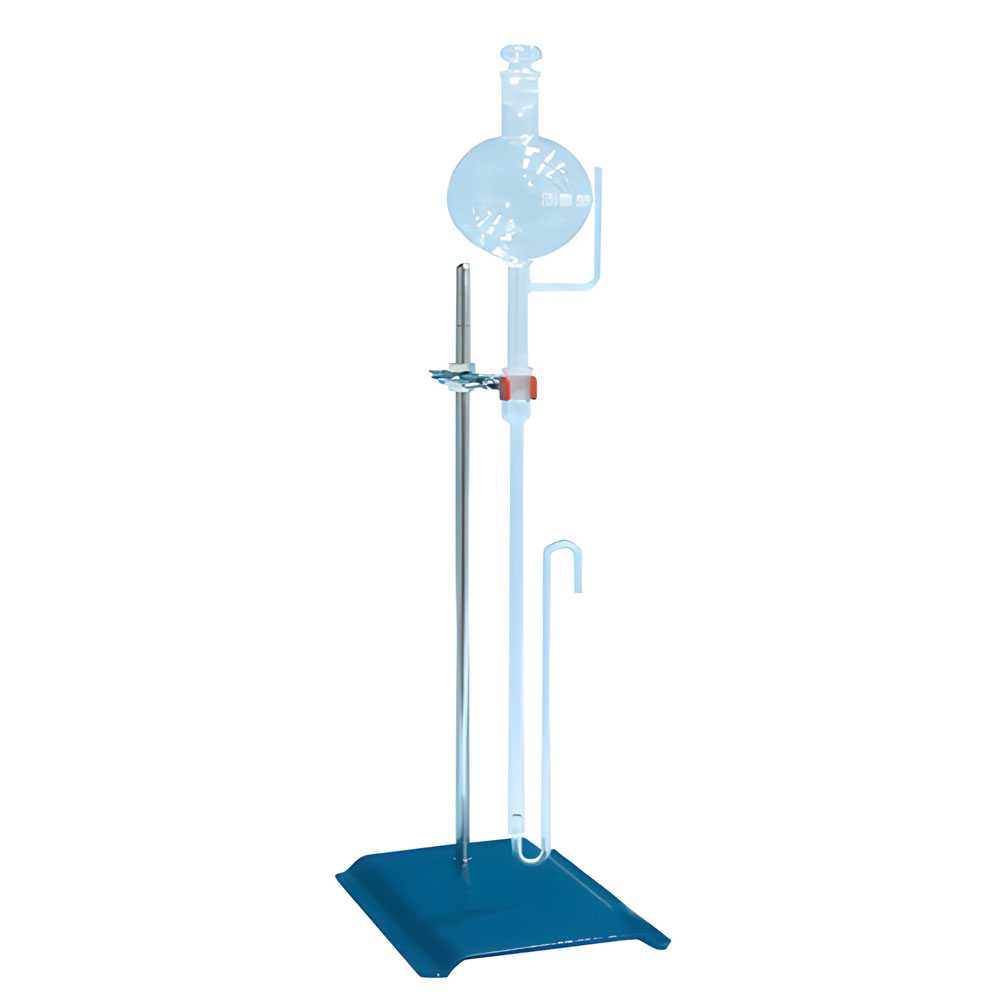
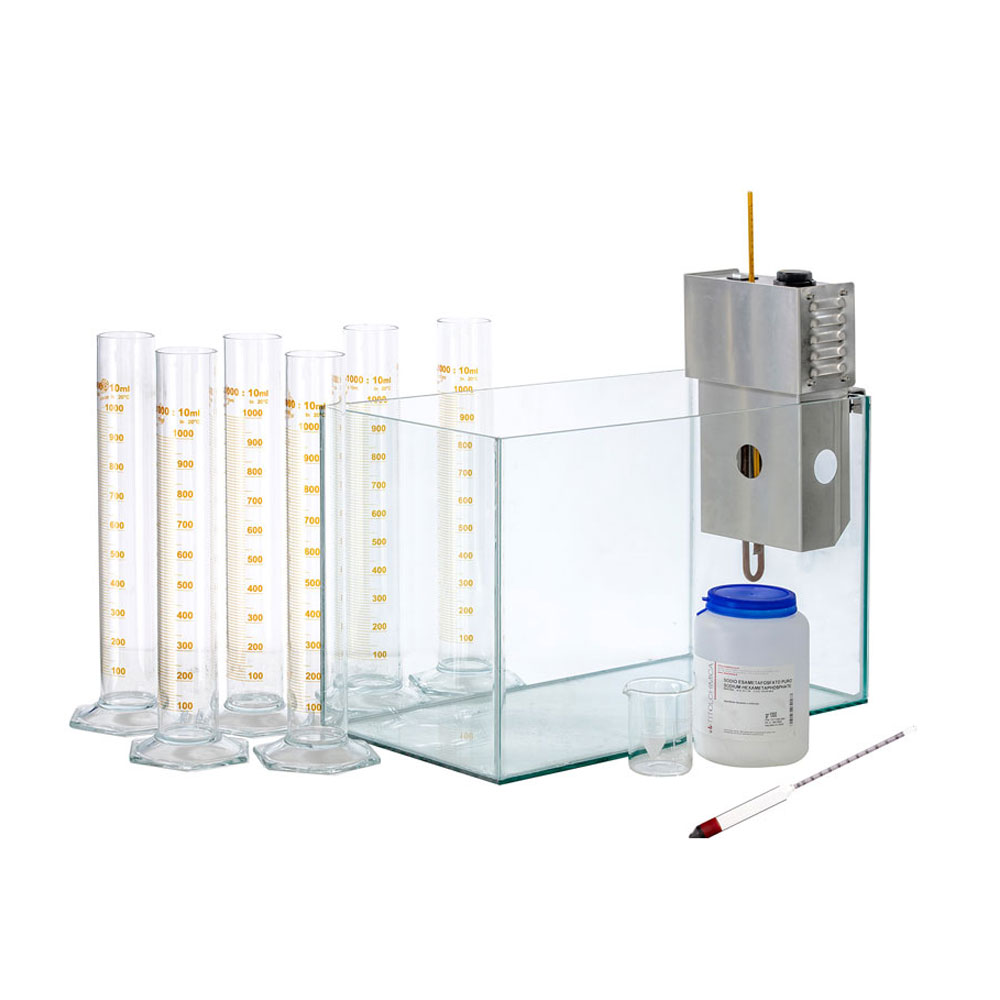
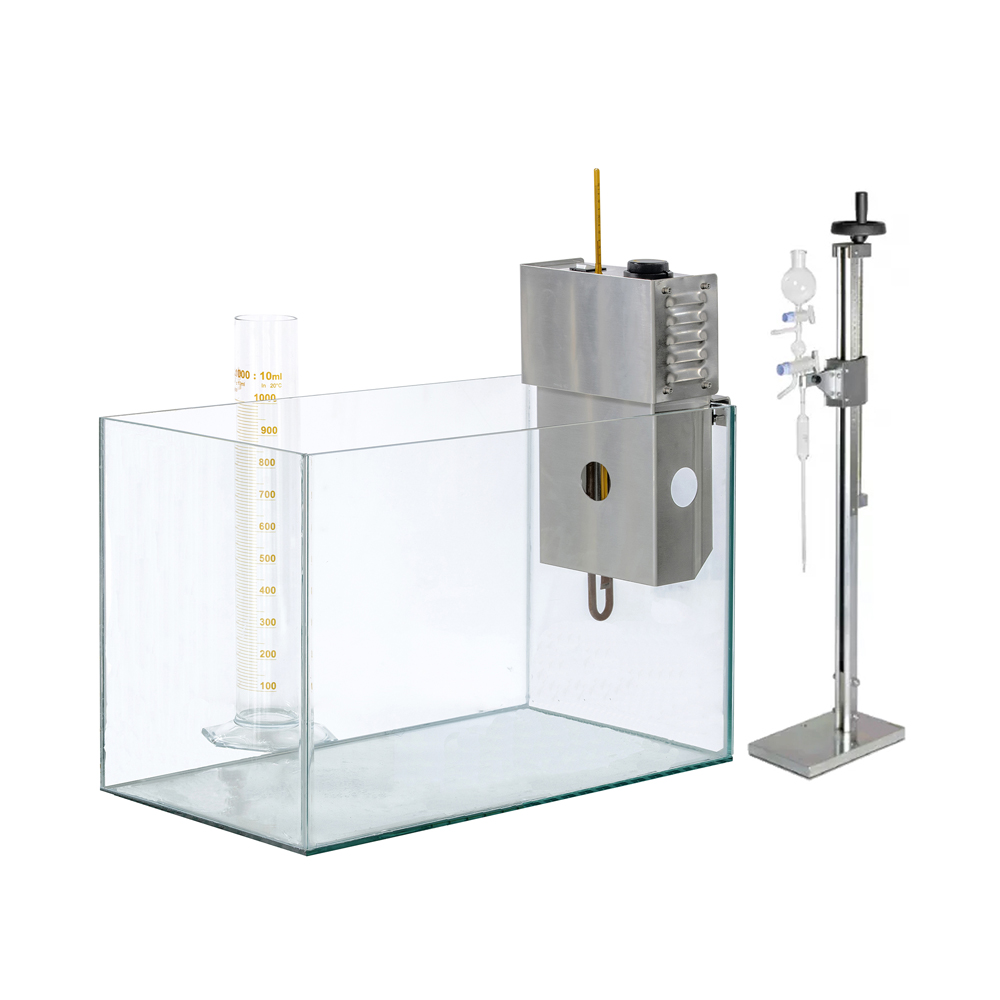
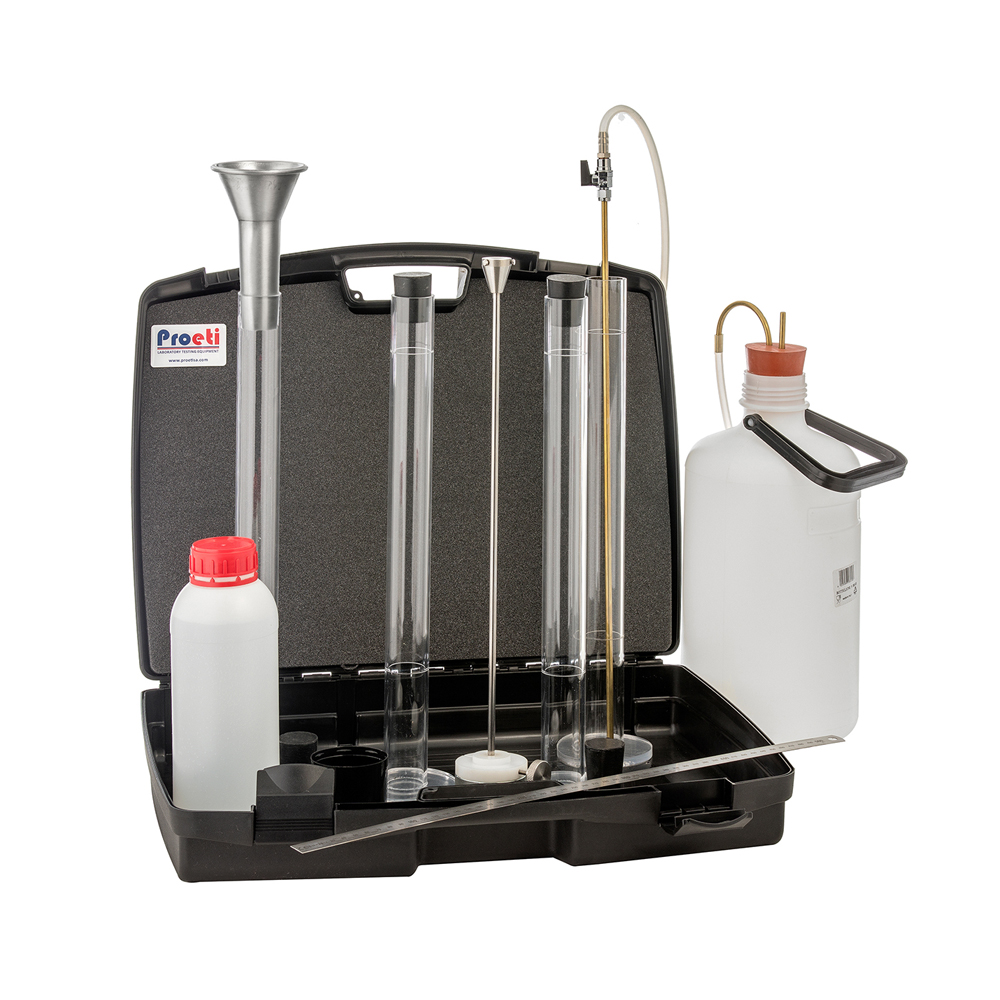
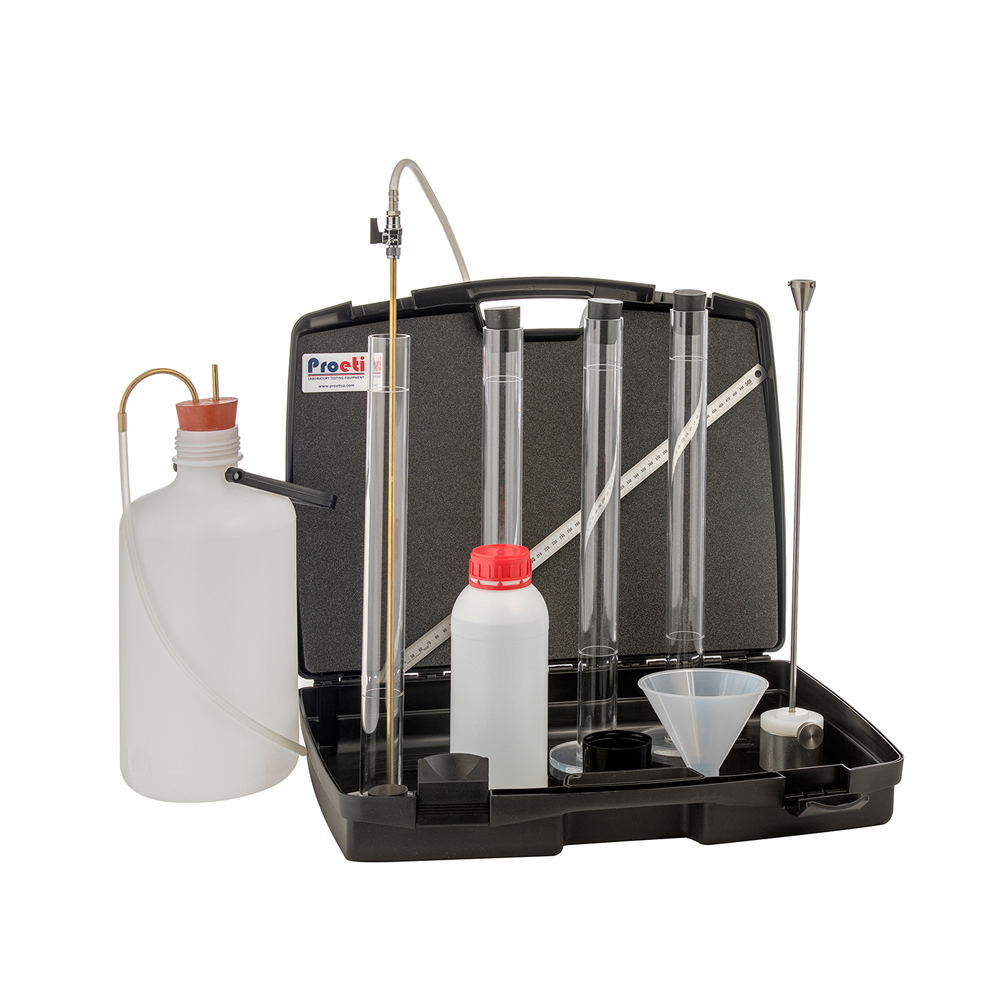
| Particle size by sedimentation | Hydrometer with thermostatic bath or pipette method | ASTM D422, BS 1377-2 |
| Cleanliness of sands | Sand equivalent, EN or ASTM version | EN 933-8, ASTM D2419 |
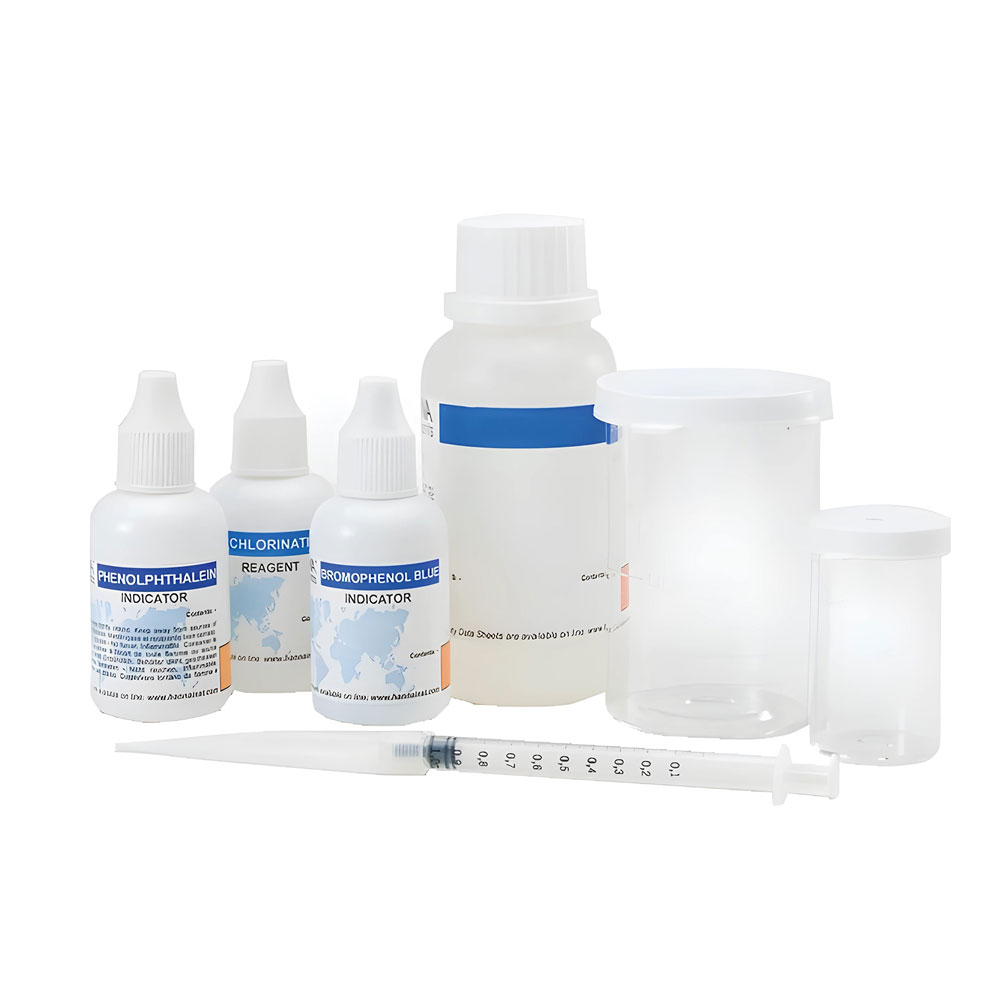
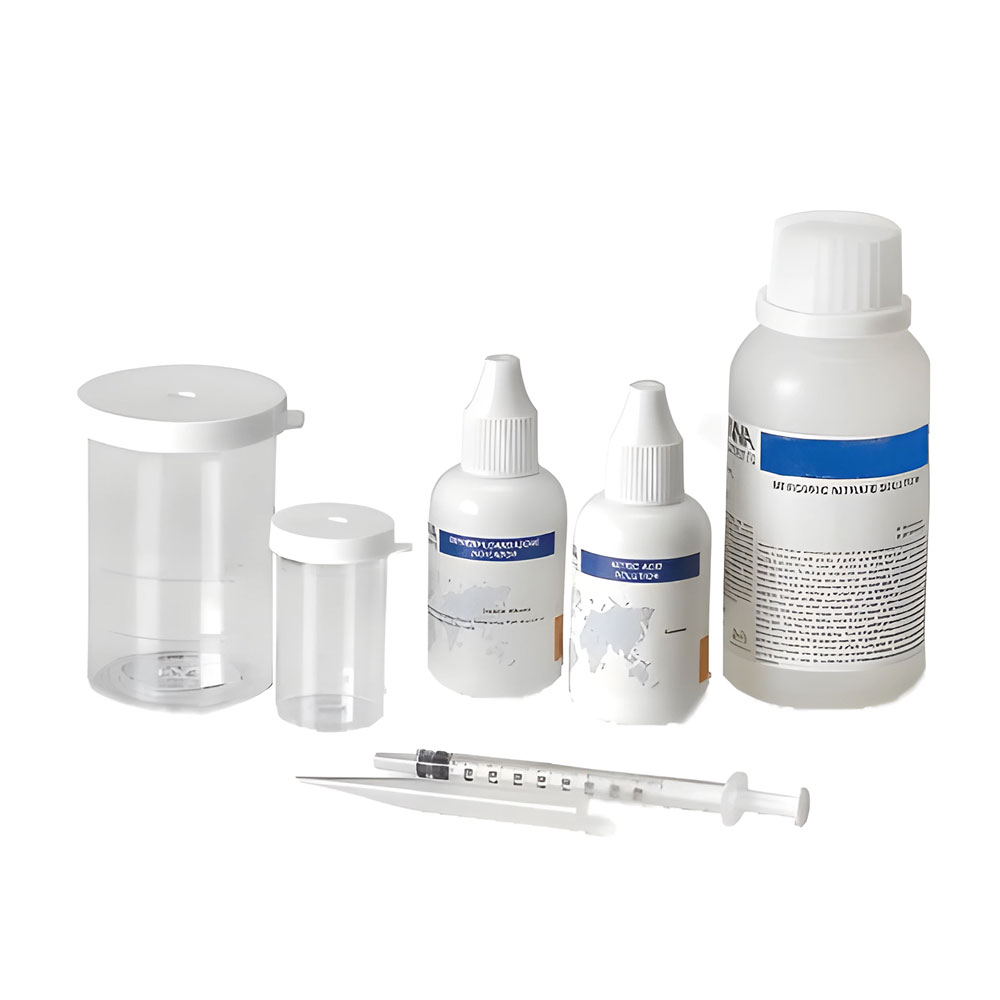
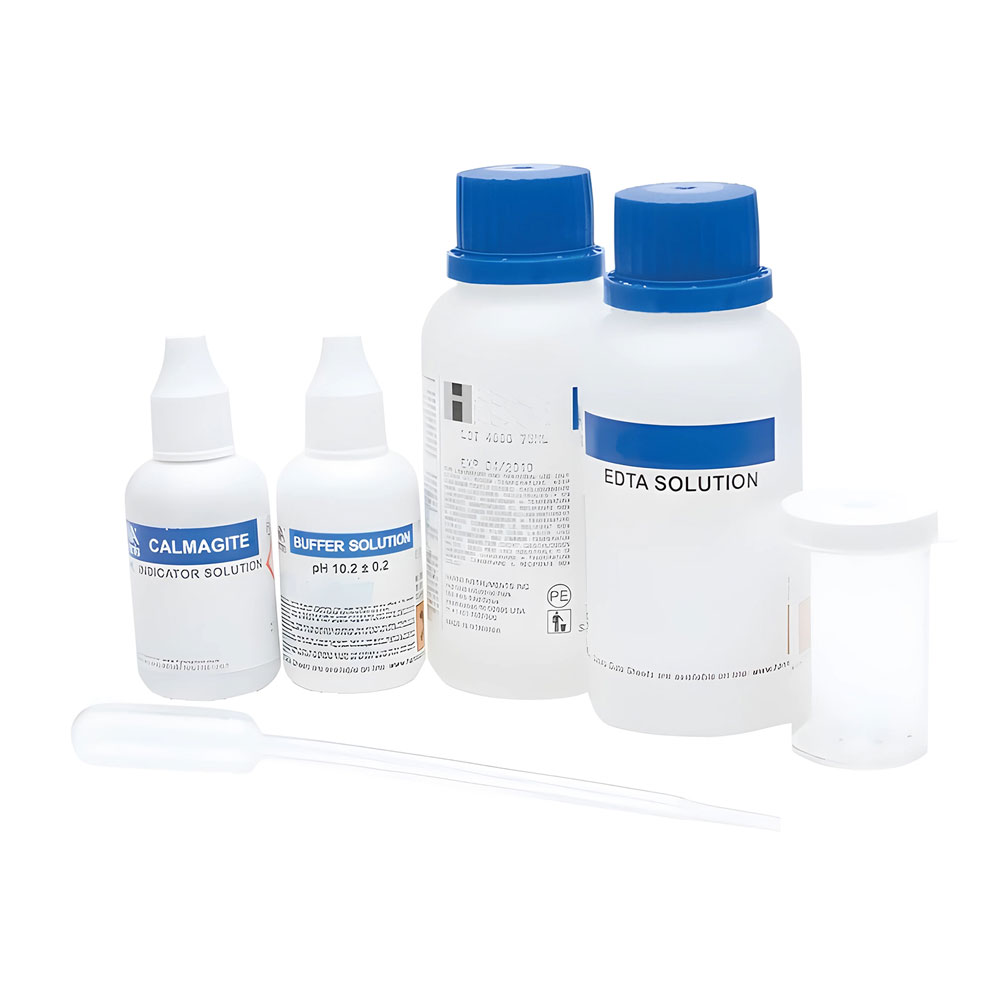
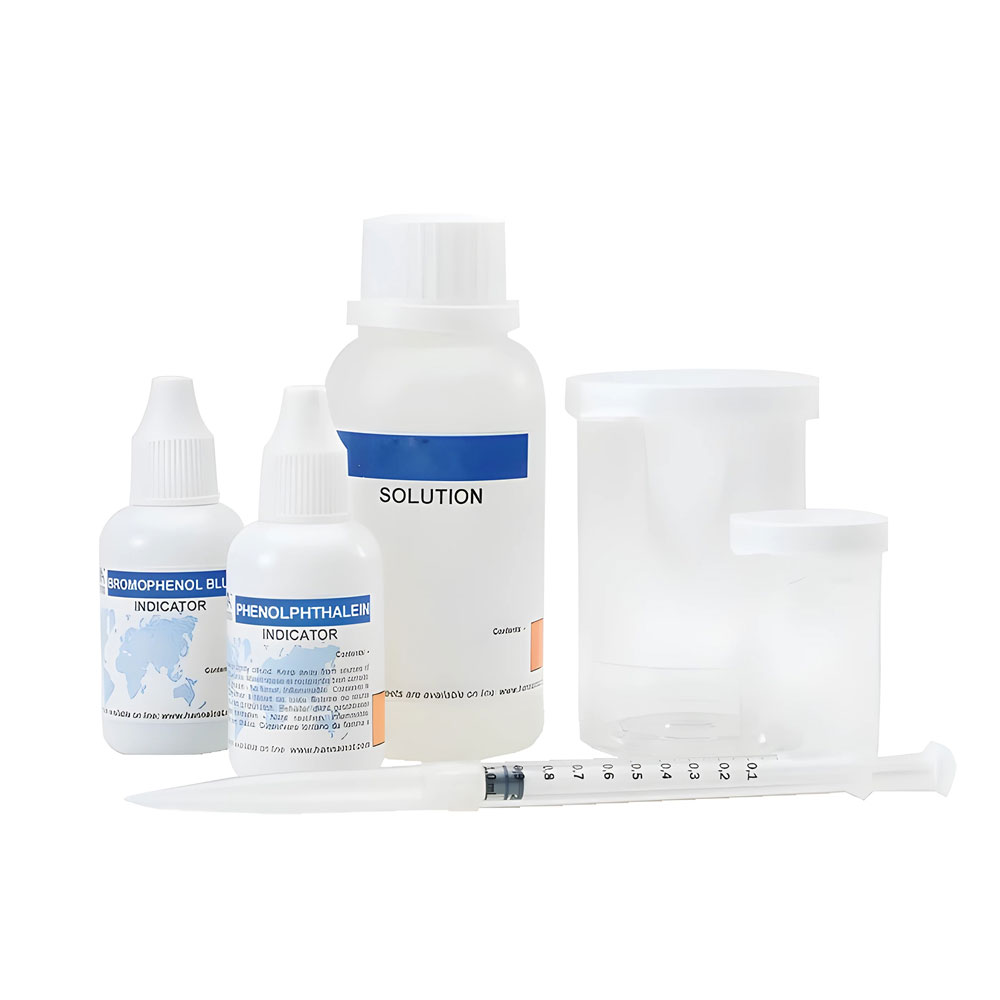
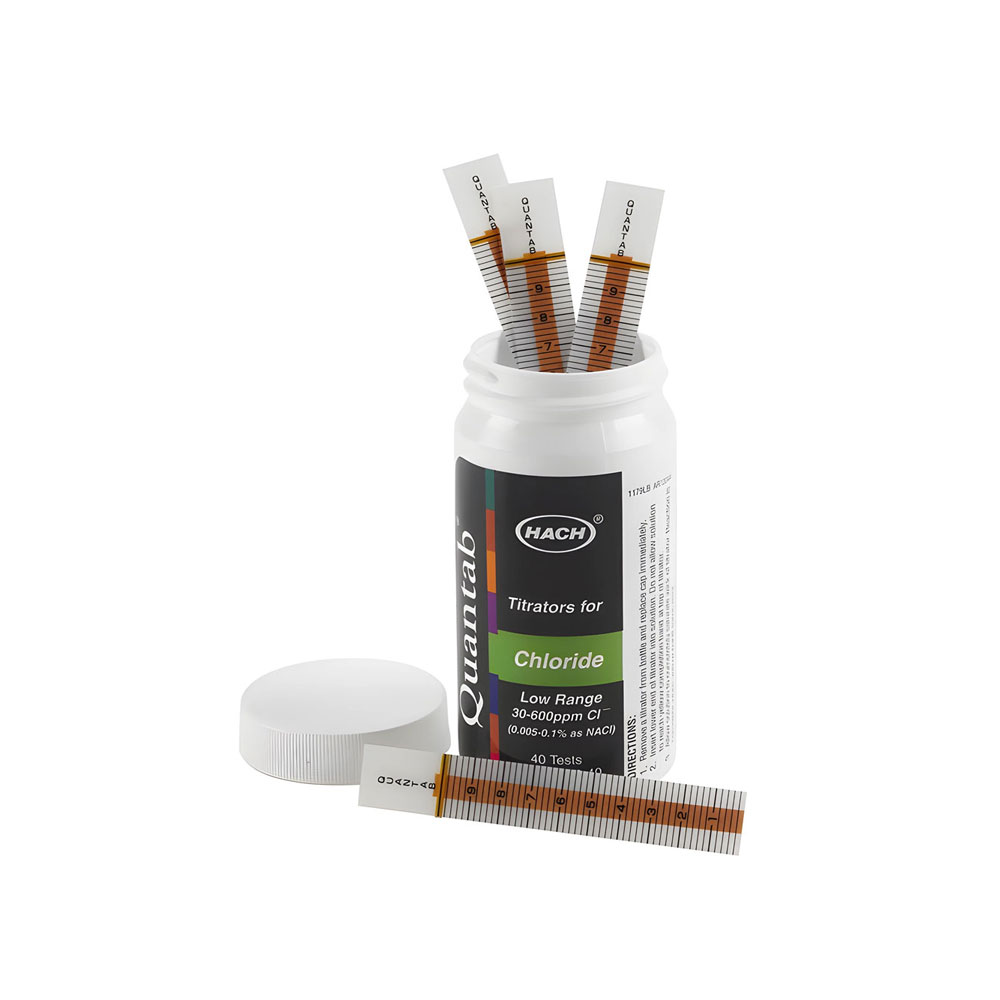
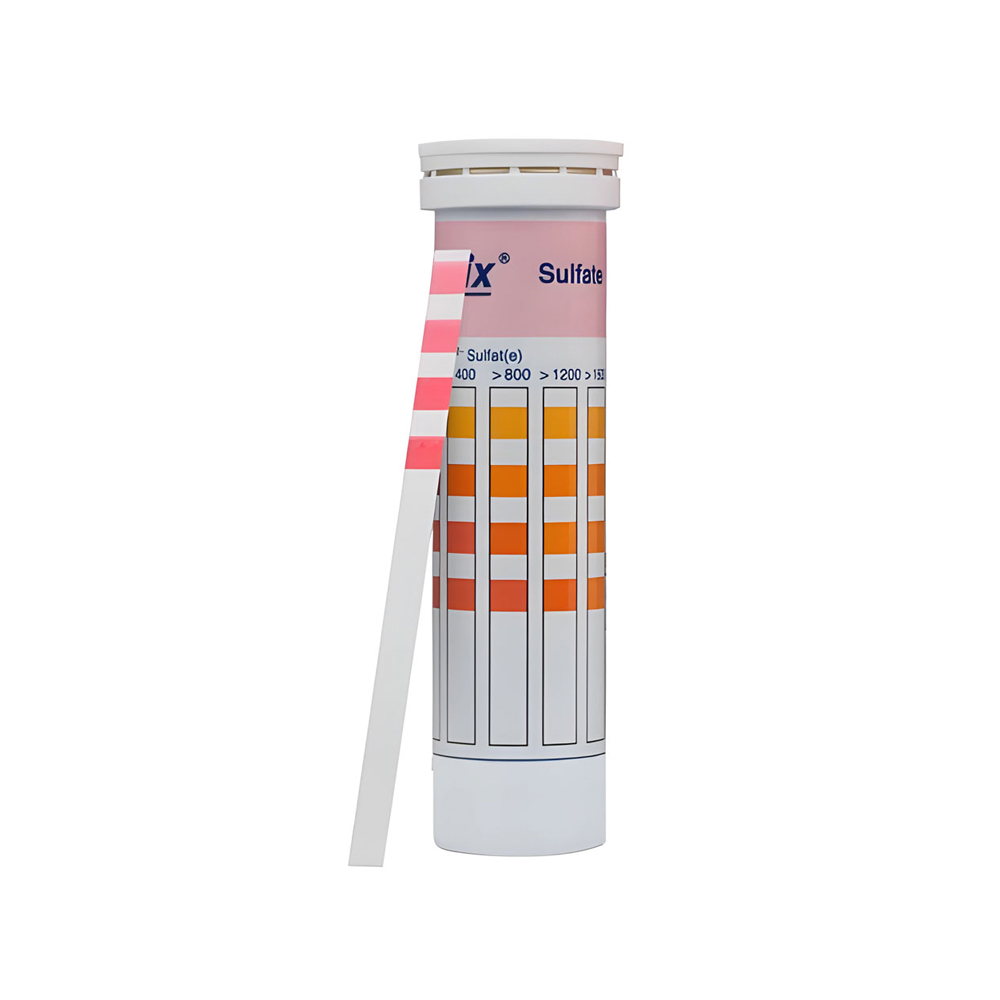
| Soil and water chemistry | Chloride, acidity, hardness and alkalinity kits, sulphate strips and ion exchange | BS 1377-3 |
| Casagrande cup | Cone penetrometer | |
|---|---|---|
| What is measured | Blows needed to close the groove | Penetration of a cone into the paste |
| Standards | ASTM D4318 (UNE 103103 in Spain) | EN ISO 17892-12, BS 1377-2 |
| Repeatability | Depends on the operator (blow, groove) | Higher: the cone falls under its own weight |
| Where it is used | Spain, the Americas | United Kingdom, Europe; the ISO reference standard |
To get a price, click Budget on each product page and send one request with everything you need. If you would rather talk to us, write to us or call +34 916 28 29 40.
The moisture contents at which a fine-grained soil changes state: the liquid limit separates the liquid from the plastic state; the plastic limit, the plastic from the semi-solid; and the shrinkage limit, the semi-solid from the solid. They are measured on the fraction passing the 0.4 mm sieve.
With the Casagrande cup, a groove is cut in the paste and the blows needed to close it are counted; the liquid limit is the moisture content at which it closes with 25 blows. With the cone penetrometer, it is the moisture content at which the cone penetrates a fixed depth: 20 mm with the 80 g cone.
The difference between the liquid limit and the plastic limit: the range of moisture content over which the soil is mouldable. A high index indicates a plastic clay, whose volume changes a lot with water; a low one, a silt or a soil of low plasticity.
By sedimentation: the fraction passing the 0.063 or 0.080 mm sieve is dispersed in water and the rate at which the particles settle is measured, with a hydrometer or by drawing off samples with a pipette. Stokes' law relates the settling velocity to particle size.
With particle size and Atterberg limits, the soil is classified; the field equipment is in soil classification.